What Is an Electrologist, and How Do You Choose One in NYC?
What electrologists do, why New York doesn't license them, and the questions to ask before…
Short answer: no. Why tweezed hair can seem to come back stronger, what plucking really does to a follicle, and when chin hair is a hormone question.
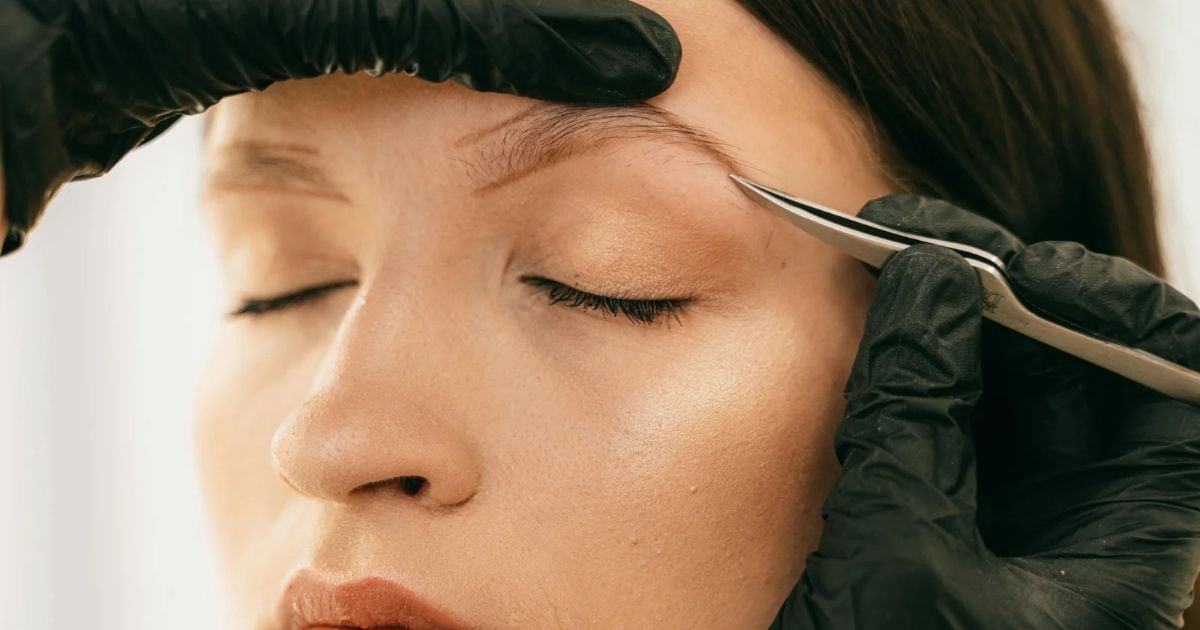
No. Plucking pulls a hair out by the root, but the follicle stays and grows a new hair with the same thickness and color it would have had anyway. What it can do is irritate the follicle and cause ingrown hairs. And coarse, dark chin hairs that keep coming back usually have hormones behind them, not tweezers.
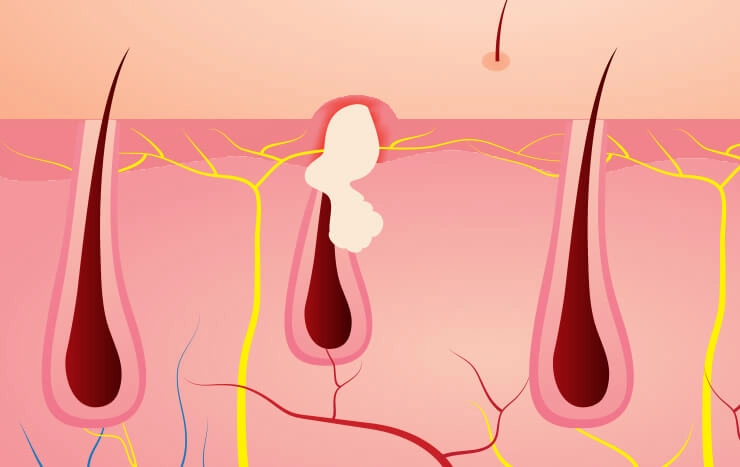
Tweezers take the hair out, but they leave the follicle in place, and the follicle is what makes the hair. As Cleveland Clinic puts it, removing the root “doesn’t mean your hair won’t grow back, because in most cases, it will.”
Fine facial hair follows the same rule: Cleveland Clinic states plainly that peach fuzz doesn’t grow back thicker after you remove it. It’s the same myth we took apart for razors in does shaving make facial hair thicker.
A few things make plucked hair look like it’s winning:
Plucking is temporary: the follicle survives and makes a new hair. Removing a hair for good means treating the follicle itself, which is what electrolysis on the chin and lip does. Plucking also has a few side effects worth knowing:
None of that means you’ve done something wrong by reaching for the tweezers now and then.
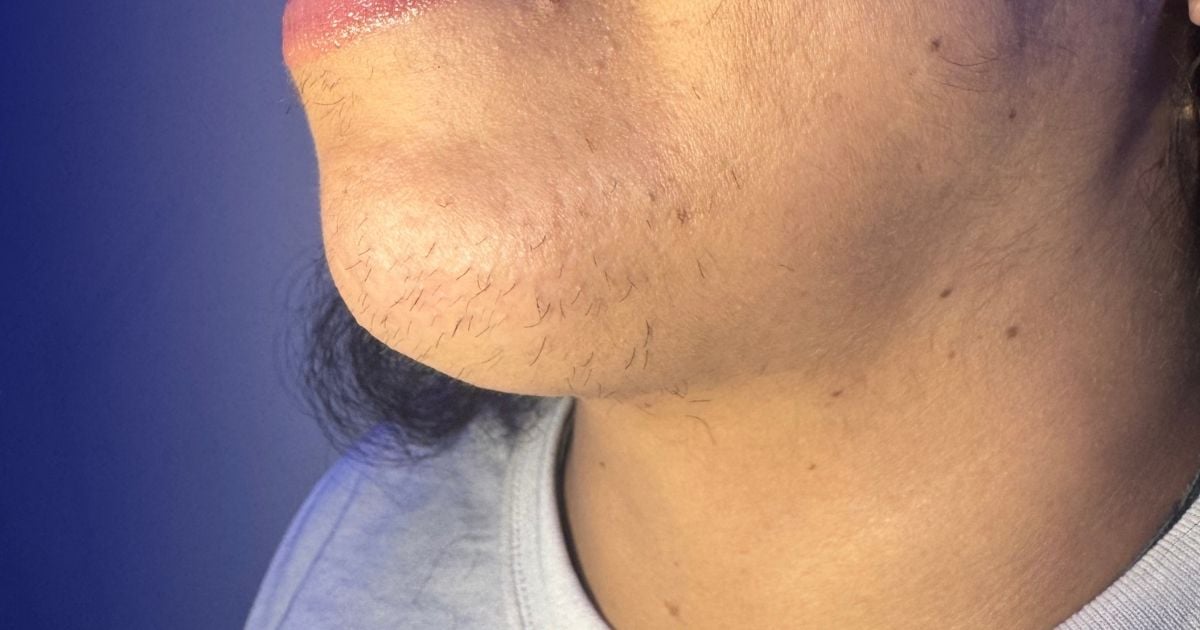
Usually because hormones are involved. Cleveland Clinic names high levels of certain hormones as the most common cause of hirsutism, meaning coarse, dark hair where it’s usually fine and light, and the NHS says it’s usually linked to changes in androgen levels.
Two things follow from that. No tweezing habit caused it. And if new thick, dark hair suddenly starts growing on your face or body, the NHS advises getting an urgent appointment with a doctor. Our post on why women get facial hair goes deeper into the causes.
A few things we ask clients who come to us after years of tweezing:
That’s the difference between the two: plucking removes the hair and leaves the follicle working, while electrolysis treats the follicle. Electrolysis is permanent hair removal: it destroys each treated follicle’s growth center, so those hairs don’t grow back. New hair can still show up later, so we say it plainly: treated follicles don’t grow back. New hair can still appear with age or hormonal changes.
Our trained electrologists treat chin, upper lip, and jawline hair at our studios in Columbus Circle, Brooklyn, and Astoria. For every option side by side, see how to remove chin hair permanently.
No. Chin hair follows the same rule as everywhere else. Plucking the same spot every day does mean more chances for redness, bumps, and ingrown hairs, and it won’t reduce the hairs for good, because the follicles are still there.
Plucking one grey hair won’t make two grow back. Each follicle makes its own hair, so plucking one doesn’t affect the follicles around it; that follicle will usually just grow the same grey hair again. For grey chin hairs, electrolysis works on every hair color.
At Nios Skin Lab, we treat hair growing from a mole only after a dermatologist has examined it. Our mole hair page explains how that works.
No. The upper lip follows the same rule as the chin: the follicle decides the hair, not the tweezers. If upper lip hair is your main concern, see how to remove upper lip hair.
They do different things. Shaving cuts hair at the surface, so it’s back in a day or two. Plucking pulls it from the root, so it takes longer to return, but it can irritate the follicle. Neither changes how your hair grows, and neither is permanent.
Plucking won’t make your hair thicker, but it won’t make it go away either. If the same hairs keep coming back, a consultation is the easiest way to see whether electrolysis fits. Book a free consultation at any of our studios, and bring your questions.