

The Hair Removal Industry Hides the Definition of “Permanent.”
Most people don’t choose the wrong method—they choose the wrong promise. Laser can be a legitimate and efficient technology for the right profile; it’s not snake oil. But “permanent reduction” and “permanent removal” are genuinely different outcomes, and the profile that gets the best result from each method doesn’t always overlap. If your goal is permanent removal, precision shaping, or treating light hair—laser isn’t built for that. Electrolysis is. Nios doesn’t sell you a trend. We match the mechanism to your outcome and give you a plan that actually finishes.
Pigment-Based vs. Follicle-Based. That’s the Whole Difference.
The mechanistic difference between laser and electrolysis explains every downstream difference in who benefits, what results look like, and why one sometimes follows the other.
Laser hair reduction delivers energy through the skin surface to the hair follicle. The targeting mechanism is melanin—the pigment in the hair shaft. Darker hair absorbs the energy; the follicle is heated and damaged; hair production is reduced. The limitations follow directly from the mechanism: the method requires meaningful pigment contrast, misses light, grey, red, and blonde hair, carries real risk of burns and post-inflammatory pigmentation on darker skin tones, and produces reduction—not guaranteed complete closure—because energy is delivered through the skin rather than directly into the growth center. Laser is generally FDA-cleared only for permanent hair reduction.

Electrolysis permanent hair removal inserts a fine, sterile probe directly into each individual follicle and delivers controlled heat to the growth center. The follicle’s ability to regenerate is permanently destroyed, and the hair releases. Because the method targets the follicle mechanically rather than optically, it has no dependence on hair color or skin tone: white, grey, red, and dark hair all treat identically. Dark and light skin present no differential risk. Every treated follicle is permanently closed—electrolysis is permanent hair removal.
Laser gets you part of the way. Electrolysis finishes the job.

Test, Don’t Guess—The Honest Recommendation Depends on Your Profile.
The comparison above tells you how each method works. This is about which one works for you. Hair color, skin tone, treatment area, and your actual goal—reduction or permanent removal—determine the answer. For some profiles, the smartest path is sequenced: laser debulks, electrolysis finishes. For others, electrolysis is the only permanent hair removal method worth starting with. No guessing. Here’s how to read your profile.

Who is Electrolysis for?
When in doubt about choosing laser vs electrolysis.
- Grey, white, blonde, red, or mixed-color hair that laser can’t reliably target.
- Darker skin where laser carries real pigmentation and burn risk.
- Precision shaping needs—individual follicle control where approximation doesn’t work.
- Post-laser persistent growth that reached its ceiling.
- Hormonally active areas (face, chin, neck) where paradoxical laser stimulation is documented.
- Anyone whose goal is permanent removal, not permanent reduction.
- Dense, uniformly dark hair on lighter skin in a large area.
- Debulking is the primary goal, followed by electrolysis to finish.
- You understand you’re committing to a two-phase plan, not a single-method result.

Electrolysis vs Waxing vs Laser Hair Reduction
Waxing is temporary, laser is partial, electrolysis is permanent. Different tools, different results.
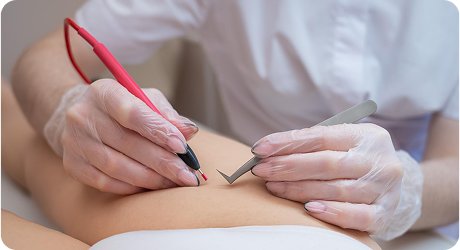
-
Perfect, individual-hair precision
-
Safe for all skin tones
-
Effective on all hair colors
-
Brief heat sensation
-
PERMANENT REMOVAL, NOT JUST REDUCTION
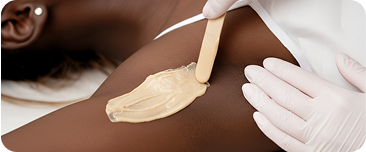
-
Approximate precision
-
All skin tones
-
All hair colors
-
Ripping sensation
-
Temporary results

-
Approximate (~½” applicator) precision
-
Struggles with dark & tan skin
-
Limited on light, gray, red, or fine hair
-
Snapping sensation
-
Permanent reduction
Electrolysis Results
See the visible reduction achieved through consistent electrolysis treatments over multiple sessions.
Results may vary depending on hair colors, treatment area, and consistency.
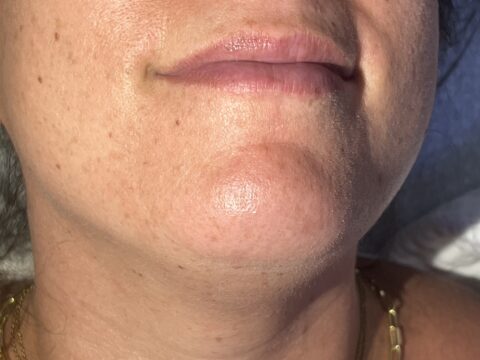 Before
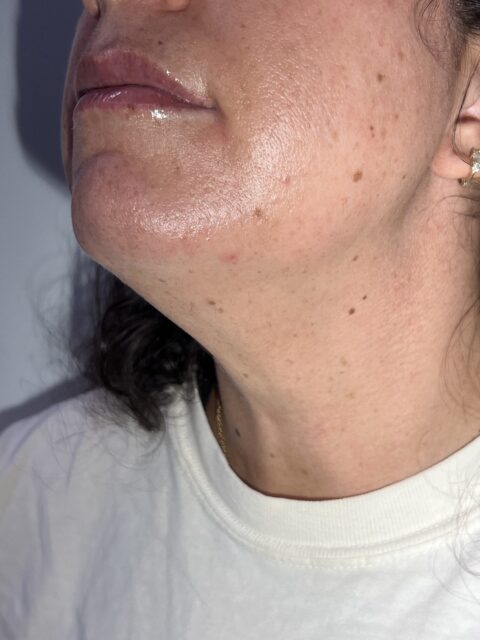 After 23 sessions
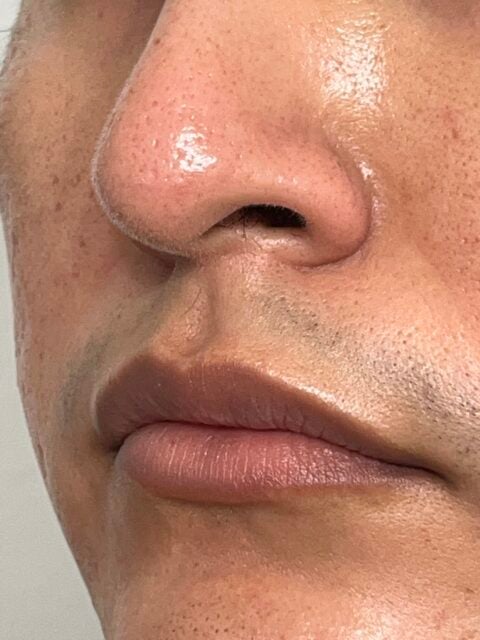 Before
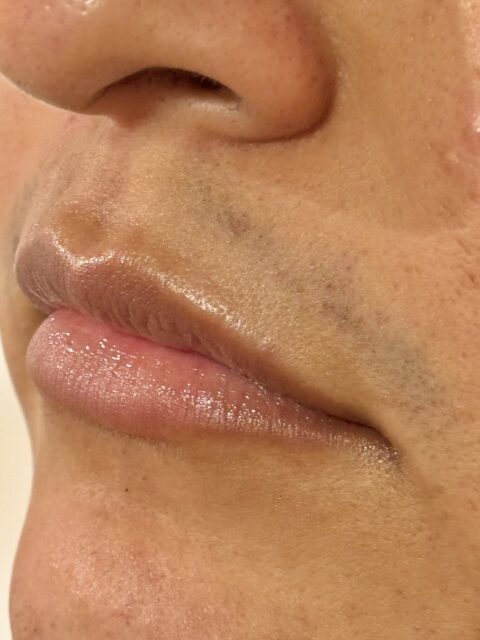 After 12 sessions
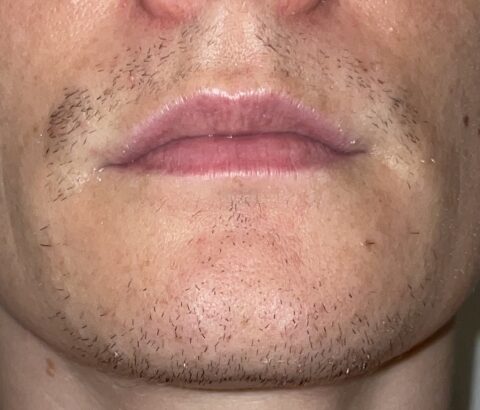 Before
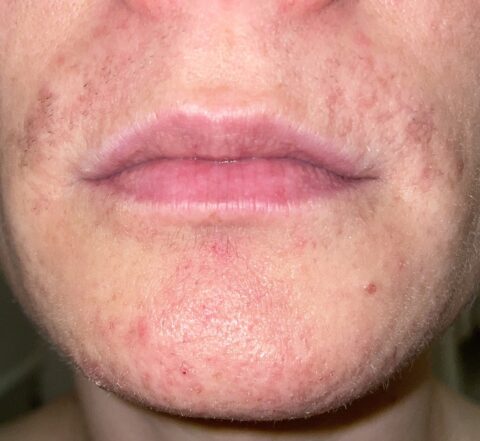 After 31 sessions
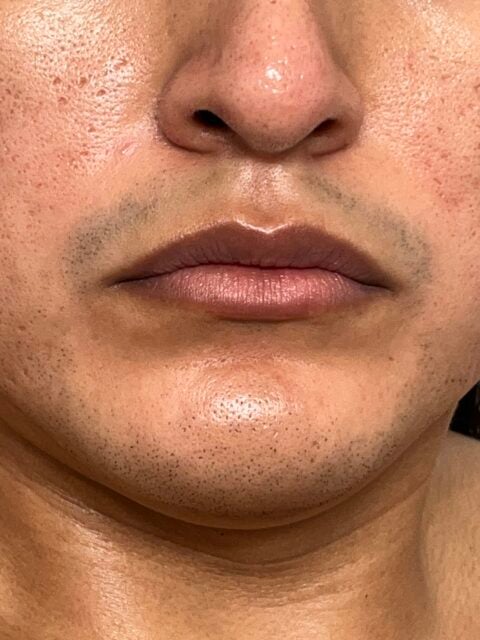 Before
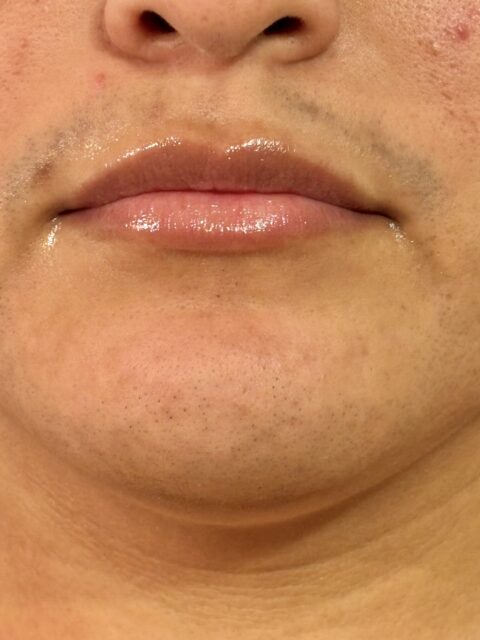 After 12 sessions
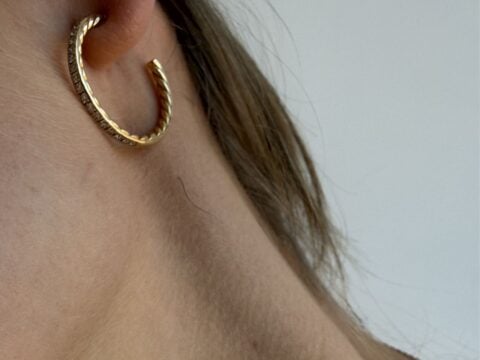 Before
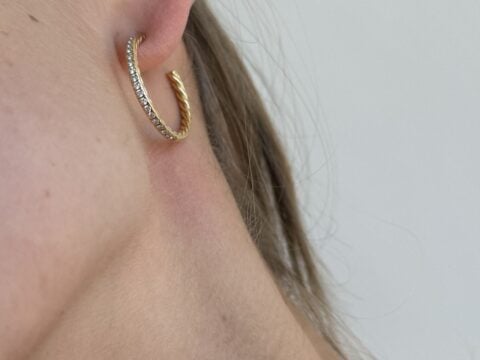 After 1 session
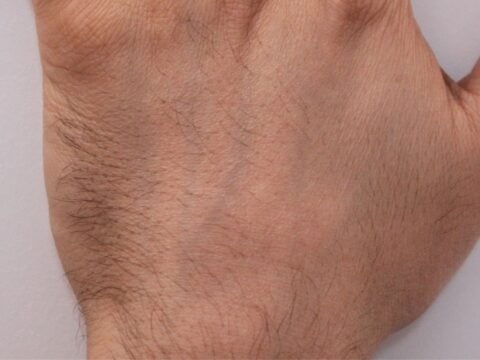 Before
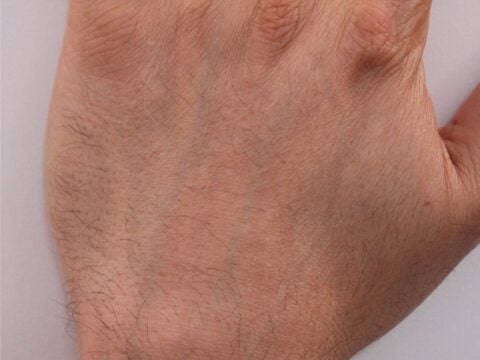 After 15 sessions
The NIOS Standard

-
M.D. Founded
Josh Gordon, M.D., earned his medical degree at NYU School of Medicine — then chose to build Nios rather than pursue a license. He leaves the treatments to the people who do them best: our licensed estheticians and trained electrologists.
-
Science,not sales
Our technicians are paid to clear your skin, not to upsell you. No quotas, no pressure—just results.
-
Clinical-Grade tech
Apilus xCell Technology. We use the fastest, most precise epilators on the market.
-
Rigorous training
Expert hands only. Hand-picked and continuously tested. We hire for precision and keep for kindness.
-
Open 7 days 9am–8pm
Locations across NYC with complimentary high-end sound healing systems. Your records sync across all of them, treat wherever is convenient.
The Team
We are a multidisciplinary team of licensed estheticians, electrologists, engineers, creatives, and more—sharing expertise across disciplines and united by a single goal: You.













































Your Questions,
Our Answers
-
What's the actual difference between laser and electrolysis?
Laser targets melanin in the hair shaft and uses pigment contrast to deliver heat to the follicle. Effectiveness depends on that contrast, and laser is generally FDA-cleared only for permanent hair reduction. Electrolysis inserts a probe directly into each follicle and delivers heat to the growth center mechanically—no pigment required. Every treated follicle is permanently destroyed: electrolysis is permanent hair removal. That distinction isn’t marketing; it reflects whether follicle closure is complete or partial.
Concierge Note:
Reduction and removal are not the same outcome—and most clients don’t realize that until after a laser course. If the goal is finished, electrolysis is the method with an actual finish line. Most clients find this comparison clarifying rather than complicated once it’s laid out. Book a Nios consult in NYC and we’ll show you exactly what that means for your specific area. -
Is laser hair removal permanent?
Laser and IPL devices are generally FDA-cleared only for “permanent hair reduction”: fewer hairs regrow, not every hair is gone. The method works by damaging follicles through melanin contrast; follicles that absorb sufficient energy may stop producing hair while others receive insufficient energy and continue. Maintenance sessions are commonly needed, especially in hormonally active areas like the face, chin, and neck. Electrolysis is permanent hair removal: it destroys each treated follicle’s growth center, so those hairs don’t grow back.
Concierge Note:
“Permanent reduction” is an honest outcome—but it’s not the same as done. The hairs that come back after laser aren’t anomalies; they’re the expected ceiling of the method. If the ceiling isn’t where you want to stop, electrolysis is where the conversation continues. That’s not a knock on laser—it’s just the actual distinction between the two methods. -
I've already done laser and still have hair. What now?
This is one of the most common situations we treat. Laser on mixed-color growth typically reduces darker hairs and leaves lighter, finer, or gray hairs behind—partial clearance that reached its ceiling. Electrolysis picks up exactly where laser left off: each remaining follicle is treated individually regardless of color and permanently closed. No reset, no additional reduction—closure. Bring the area to your consult and we’ll assess what’s remaining and build a protocol to finish it.
Concierge Note:
Laser gets you part of the way; Nios electrolysis finishes the job. The hairs that survived aren’t stubborn—they’re just the wrong pigment profile for the technology. A prior laser course isn’t wasted; it thinned the field. Most clients find the remaining work is less than they expected once we map what’s actually left. That’s what the consult is for. -
Why doesn't laser work on gray, white, blonde, or red hair?
Laser requires melanin to function. Gray and white hair has lost most or all of its pigment; blonde and red hair has minimal amounts. When laser energy can’t lock onto pigment in the hair shaft, it either dissipates without treating the follicle or is absorbed by surrounding skin—producing burns and irritation without results. No device, no setting, and no number of sessions changes this underlying limitation. Electrolysis enters each follicle mechanically and permanently closes it regardless of pigment.
Concierge Note:
This is a physics problem, not a technique problem—and no clinic can engineer around it. If light hair is the reason you assumed permanent removal wasn’t an option, that assumption belongs to laser, not to electrolysis. Across our NYC locations, we permanently treat every hair color, every time. The method doesn’t have a pigment floor. -
What's paradoxical hypertrichosis, and should I be worried about it with laser?
Paradoxical hypertrichosis is a documented phenomenon in which laser treatment stimulates dormant follicles to activate, producing more hair growth rather than less in the treated area. It’s most commonly observed in hormonally active zones—chin, jawline, neck, and sideburns. The mechanism isn’t fully understood, but the clinical pattern is well-documented. Electrolysis doesn’t carry this risk because heat is delivered directly to each individual follicle with no broad energy delivery to surrounding tissue.
Concierge Note:
For clients with PCOS, hormonal hair growth, or anyone treating facial zones, this is the risk most often absent from the laser consultation. The possibility of making growth worse—in the exact area you’re trying to clear—is worth understanding before choosing a method. If you’ve already experienced increased growth after laser, book a Nios consult. That pattern is something we see and address directly. -
Is laser safe on darker skin?
Laser is pigment-based, which means the contrast between hair and skin drives energy absorption. On darker skin tones, surrounding tissue can absorb laser energy intended for the follicle, increasing the risk of burns, blistering, and post-inflammatory hyperpigmentation. More advanced laser systems reduce but don’t eliminate this risk. Electrolysis doesn’t rely on pigment—the probe targets each follicle directly with no interaction with surface pigment or surrounding skin tone.
Concierge Note:
For darker skin, electrolysis isn’t just the safer option—it’s often the only permanent method without meaningful uncertainty. Most clients in this category have been told their options are limited. They aren’t. Across our Manhattan, Brooklyn, and Queens locations, darker skin tones are not a complication; they’re a standard part of the practice. Book a consult and we’ll assess your specific situation directly. -
When does it make sense to do laser first, then electrolysis?
For clients with dense, uniformly dark body hair on lighter skin—full back, full chest, full legs—laser debulking followed by electrolysis cleanup can be more time-efficient than electrolysis alone. Laser reduces total follicle volume; electrolysis permanently closes what remains. The sequencing works when the laser profile is strong: dark hair, good contrast, large surface area. If your profile fits this approach, we’ll tell you that directly at your consult. Our goal is the most efficient path to permanent removal—not the most sessions.
Concierge Note:
This recommendation only applies to a specific client profile—and we’ll tell you honestly if you’re not in it. If your hair color, skin tone, or treatment area makes laser unreliable, we skip the detour entirely and go straight to electrolysis. Most clients find the direct answer more useful than a two-phase plan they don’t need. That’s exactly the kind of clarity the consult is built to deliver.
Related Solutions
Many similar clients also treat
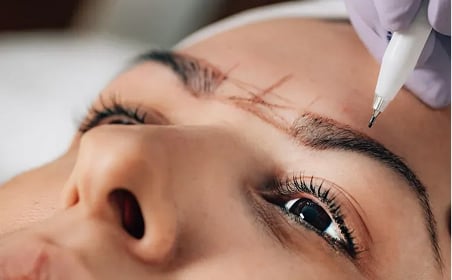
Eyebrow shaping
Put down the tweezers. Electrolysis offers individual-hair precision—shape once, keep it forever. We tailor to your bone structure, not a stencil.
Learn More
Hirsutism
PCOS, menopause, thyroid, genetics—the cause varies, but the solution doesn’t. Hormones flip the switch. We cut the power.
Learn More
Light hair: white/grey/blonde
White, gray, blonde, red, fine—if other methods left it behind, we finish the job. Electrolysis doesn’t need pigment. It targets the follicle directly.
Learn MorePricing
Electrolysis
Pricing goes by time
Junior Technician
$0
Senior Technician
$0
All Nios electrologists receive the same rigorous training. Senior electrologists offer more years of hands-on experience.
How Much Time Do I Need?
Electrolysis is billed by time, not body part, since every client’s hair density and treatment area are different.
-
Small areas
Lip, chin, eyebrows, fingers: ~5–30 minutes
-
Medium areas
Underarms, bikini: ~30–60 minutes
-
Large areas
Legs, chest, back, etc.: 60 to 120+ minutes
The exact timing varies from person to person — for example, underarms may take 30 minutes for one client and a full hour or more for another.
The best way to know what your treatment plan will look like is to book a free consultation, where we can assess your hair in person and give you a personalized estimate.
How many sessions do I need?
Hair grows in cycles—only active follicles can be treated, so multiple sessions are required. Most clients achieve permanent results within 12–18 months: twice a month at first, then monthly as hair thins.
Book a free consultation for a personalized estimate.
Client Testimonials


