

Foundation Pilling. Skincare Catching. Photos with a Filter You Didn’t Choose.
Peach fuzz is fine and soft—until it isn’t. Foundation pills on it. Skincare catches instead of absorbing. Flash photography picks up the texture across your cheeks in a way you can’t control. And then there’s the fear behind the fear: “If I touch it, will it grow back thicker?” Nios doesn’t do myths. We do follicle math. If fuzz is bothering you, we can treat it strategically—without turning your face into a constant project. The fuzz isn’t the problem. The cycle of managing it is.
Not All Fuzz Should Be Treated. Here’s How We Decide What Should.
Most places skip this part: not every peach fuzz situation is a good candidate for electrolysis. Very fine, light, protective vellus hair covering the whole face isn’t always worth treating—and we’ll tell you that directly rather than oversell the scope. This isn’t gatekeeping—it’s timing and targeting. Electrolysis is most worth it when fuzz is darker or more visible in photos, coarser or sitting in that “in-between” category that laser can’t reliably catch, clustered in specific zones that affect daily life (upper lip, chin, jawline, cheeks), or turning hormonal—more frequent, more stubborn, more reactive. For fuzz that qualifies, electrolysis targets the growth center. Because the method doesn’t rely on pigment, it treats colorless, fine, and light vellus hair—the hairs laser misses entirely.

Less Texture Noise. More Clean Baseline.
Most clients don’t want a dramatic change—they want skin that stops getting in the way. Makeup sits better. Skincare absorbs evenly. Photos stop highlighting what you never asked to feature. The goal isn’t a weird, over-slick face. It’s a quieter baseline: fewer random dark hairs, less daily checking, nothing to rebook. With consistent sessions, results compound. One facial is an event; a routine is a strategy—and electrolysis works the same way. The follicles close permanently. The fuzz stops coming back. And eventually, there’s nothing to maintain.

Who is Fuzz Hair Removal for?
When peach fuzz starts to bother you, the right treatment can make skin look smoother, cleaner, and less textural.
- Have fuzz that reads on camera, disrupts makeup application, or affects skin texture in specific zones.
- Have tried dermaplaning and like the result—but are tired of maintaining it every few weeks.
- Were told laser doesn’t work for fuzz and want to know what actually does.
- Want clean, defined skin without the anxiety of what grows back between appointments.
- Have fuzz that’s getting darker, coarser, or more hormonal over time.
- Your fuzz is very fine, very light, and genuinely barely noticeable—we’ll tell you this at the consult; a patch test lets you try the method before committing to a full protocol.
- Skin is actively irritated or broken out in the treatment area—we’ll wait for the surface to settle before starting.
- You want immediate skin texture improvement alongside fuzz removal—electrolysis removes the follicle, not the surface; our Dermaplaning Facial or Resurfacing Chemical Peel Facial handles the surface work.

Electrolysis vs Waxing vs Laser Hair Reduction
Waxing is temporary, laser is partial, electrolysis is permanent. Different tools, different results.
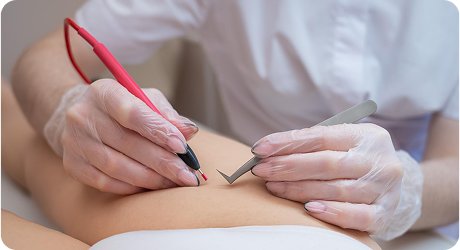
-
Perfect, individual-hair precision
-
Safe for all skin tones
-
Effective on all hair colors
-
Brief heat sensation
-
PERMANENT REMOVAL, NOT JUST REDUCTION
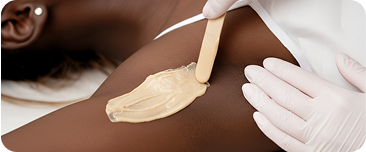
-
Approximate precision
-
All skin tones
-
All hair colors
-
Ripping sensation
-
Temporary results

-
Approximate (~½” applicator) precision
-
Struggles with dark & tan skin
-
Limited on light, gray, red, or fine hair
-
Snapping sensation
-
Permanent reduction
Electrolysis Results
See the visible reduction achieved through consistent electrolysis treatments over multiple sessions.
Results may vary depending on hair colors, treatment area, and consistency.
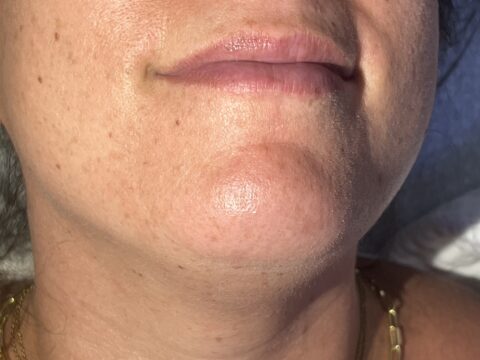 Before
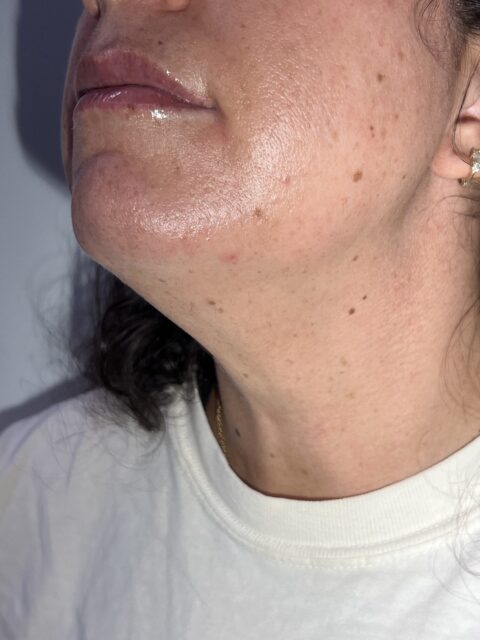 After 23 sessions
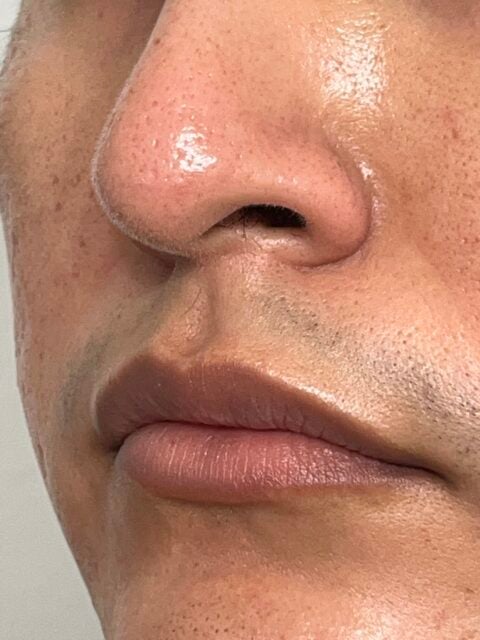 Before
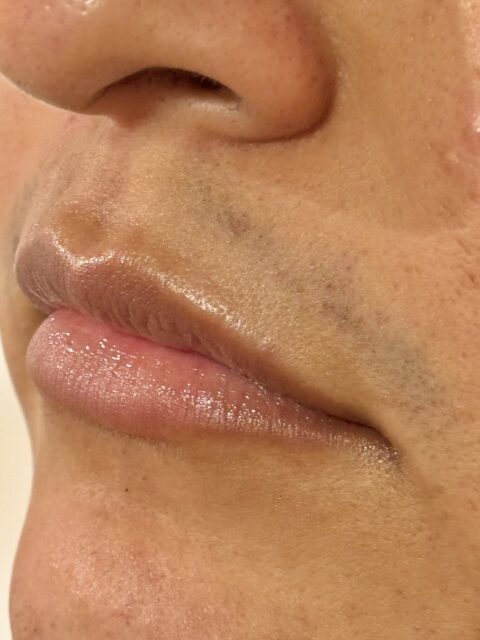 After 12 sessions
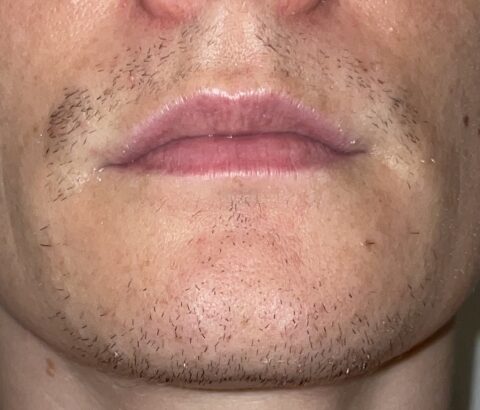 Before
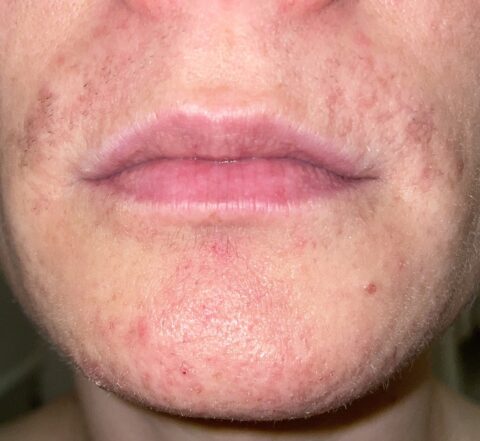 After 31 sessions
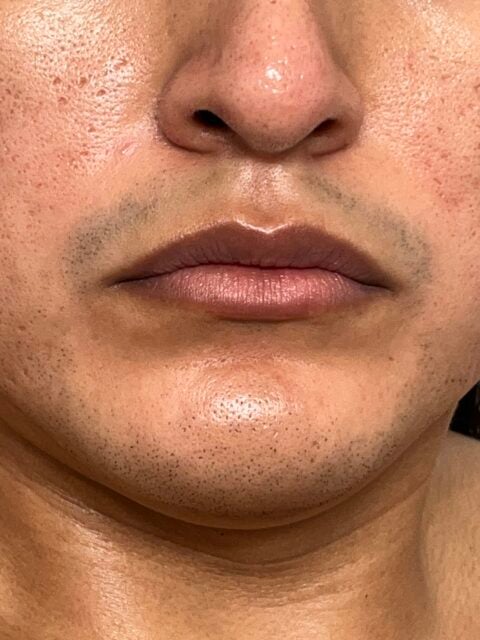 Before
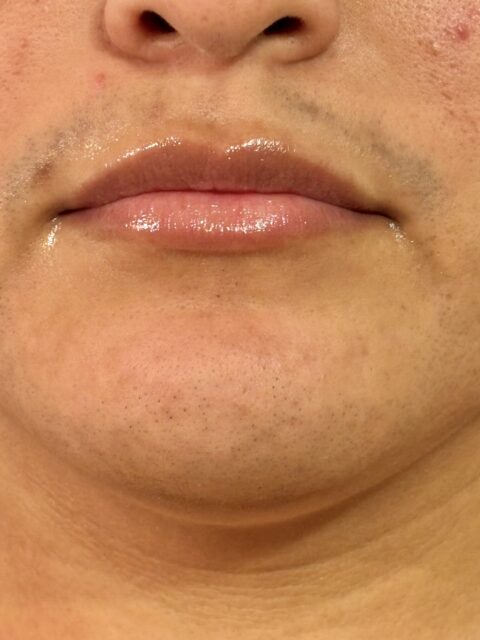 After 12 sessions
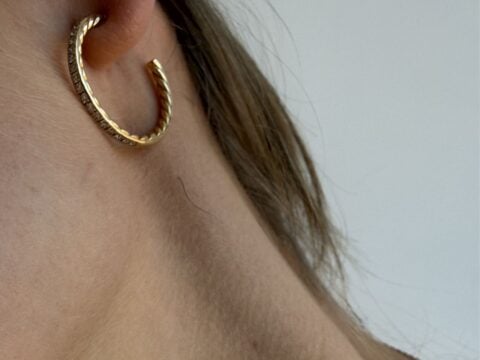 Before
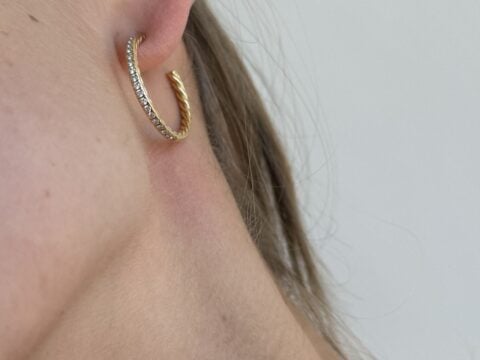 After 1 session
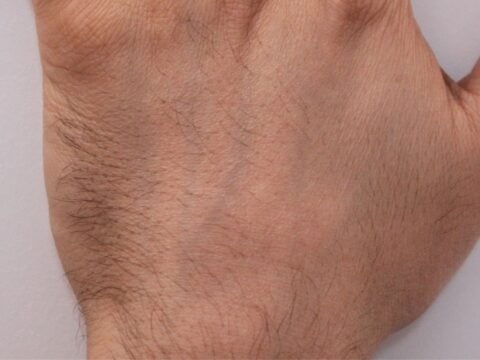 Before
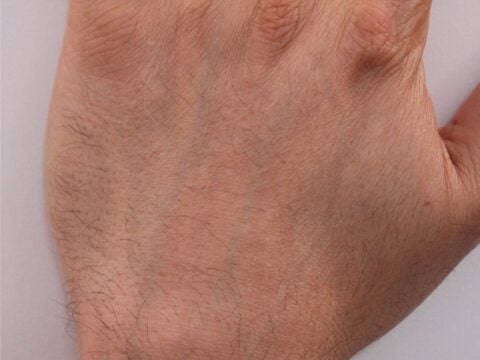 After 15 sessions
The NIOS Standard

-
M.D. Founded
Josh Gordon, M.D., earned his medical degree at NYU School of Medicine — then chose to build Nios rather than pursue a license. He leaves the treatments to the people who do them best: our licensed estheticians and trained electrologists.
-
Science,not sales
Our technicians are paid to clear your skin, not to upsell you. No quotas, no pressure—just results.
-
Clinical-Grade tech
Apilus xCell Technology. We use the fastest, most precise epilators on the market.
-
Rigorous training
Expert hands only. Hand-picked and continuously tested. We hire for precision and keep for kindness.
-
Open 7 days 9am–8pm
Locations across NYC with complimentary high-end sound healing systems. Your records sync across all of them, treat wherever is convenient.
The Team
We are a multidisciplinary team of licensed estheticians, electrologists, engineers, creatives, and more—sharing expertise across disciplines and united by a single goal: You.













































Your Questions,
Our Answers
-
Can electrolysis permanently remove peach fuzz?
Yes—and it’s one of the primary reasons people choose electrolysis over every other method for vellus hair specifically. Electrolysis targets the follicle directly, independent of hair color or thickness. A fine probe delivers heat to each growth center, permanently disabling it. No other method—laser, waxing, threading, dermaplaning—can make that claim for fine, colorless hair.
Concierge Note:
Peach fuzz is exactly where every other method runs out of road. Laser can’t see it, waxing and threading don’t kill it, dermaplaning resets it. Electrolysis is the only method that closes the follicle permanently regardless of pigment. If you’ve been managing fuzz for years, the exit strategy exists. Book a Nios consult to map the approach. -
Why doesn't laser work on peach fuzz?
Laser targets melanin in the hair shaft using light energy. Vellus hair is fine, soft, and typically colorless—it contains almost no melanin, leaving laser energy with nothing to lock onto. The treatment doesn’t register the hair. This isn’t a device quality issue; it’s a fundamental conflict between how the technology works and what vellus hair actually is. Pigment dependency disqualifies laser entirely here.
Concierge Note:
This is one of the most common frustrations clients bring to Nios: told laser is an option, tried it for fuzz, saw no meaningful result. The mechanism simply can’t get there. Electrolysis bypasses the problem entirely—heat to the follicle, no pigment required. If laser already failed you here, that’s not bad luck. That’s physics. -
Should I remove all my peach fuzz, or just specific areas?
Not all fuzz is worth treating—and we’ll tell you that directly. Very fine, light vellus hair covering the whole face isn’t always the smartest target. The fuzz most worth addressing is darker or visible on camera, coarser where foundation keeps catching, or clustered in specific zones—upper lip, chin, jawline, cheeks—where it affects daily life or makeup routine. We map by zone and build outward only when the return makes sense.
Concierge Note:
The consult isn’t a sales pitch—it’s an edit. Most clients find that treating two or three targeted zones delivers most of the result without the commitment of full-face clearing. A patch test at your first Nios visit lets you try the method on a small area before committing to anything broader. Test, don’t guess. -
Will removing peach fuzz make it grow back thicker or darker?
No. Electrolysis permanently destroys the follicle—it can’t regrow at all, let alone differently. The “grows back thicker” concern comes from shaving or dermaplaning, where blunt-cut regrowth feels coarser at the surface. Neither applies here. If your fuzz is getting darker or coarser over time, that’s hormonal activation of new follicles—not a response to removal. Treated follicles stay closed.
Concierge Note:
The fear is real but misplaced—it belongs to a different method. Electrolysis doesn’t cut the hair; it shuts down the factory. What’s already closed stays closed. If new fuzz is appearing in surrounding areas, that’s a hormonal conversation worth having at your consult. We treat what’s active and plan around what could emerge. -
Is dermaplaning better than electrolysis for peach fuzz?
They solve different problems. Dermaplaning removes vellus hair and resurfaces the skin in one treatment—immediate, effective, and strong for texture. The limitation is that it resets: fuzz regrows and the appointment recurs. Electrolysis doesn’t resurface the skin, but it permanently closes the follicle. If you want smoother texture plus temporary fuzz hair removal, dermaplaning is a solid fit. If you want to stop maintaining it permanently, electrolysis is the finishing move.
Concierge Note:
Many clients across our NYC locations do both—our Dermaplaning Facial for surface texture and skin prep, electrolysis for the follicles worth closing permanently. One is maintenance; one is an exit strategy. Ask your esthetician which areas make sense for each, and whether sequencing them together changes the approach. -
How many sessions does peach fuzz removal take?
Session count depends on treatment scope and hair cycling. Vellus follicles are typically more superficial than coarser hair, but fuzz covers more surface area—so total sessions depend heavily on how much of the face is being treated. A focused zone like the upper lip resolves faster than full-cheek clearing. Consistent sessions produce compounding results as each closed follicle permanently exits the equation.
Concierge Note:
Scope is the variable most clients underestimate going in. A targeted zone is a different conversation than full-face treatment—in time, cost, and commitment. Most clients find starting focused and expanding later is both more manageable and more motivating. We give realistic estimates at the consult based on what’s actually in the room, not generic averages. -
What does the skin look like after a session?
At first, the treated area often looks like it has small mosquito bites. That’s normal. Most people look back to normal within a few days; for some it takes a week or two, and tiny scabs occasionally form. Facial skin can be slightly more reactive than body areas. Most clients return to their regular routine the same day. Plan for a short window where skin looks worked on, then calm before clear takes over. Aftercare is simple: keep it clean, no picking, pause aggressive actives until the surface settles.
Concierge Note:
If your schedule requires camera-ready timing around an event or shoot, say that up front—we’ll structure sessions and spacing so your calendar stays intact across Manhattan, Brooklyn, and Queens. The planning conversation exists for exactly this reason. We make the logistics boring so the results can be permanent.
Related Solutions
Many similar clients also treat
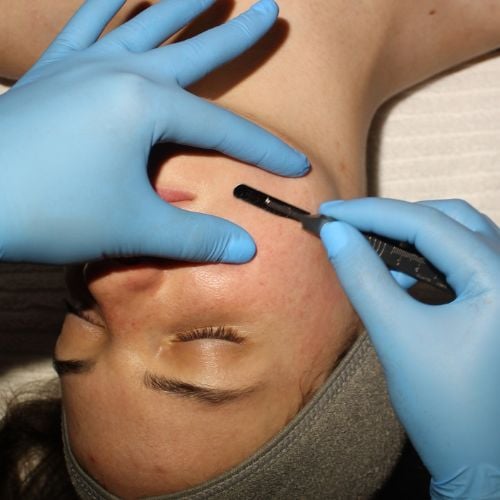
Dermaplaning facial
Learn More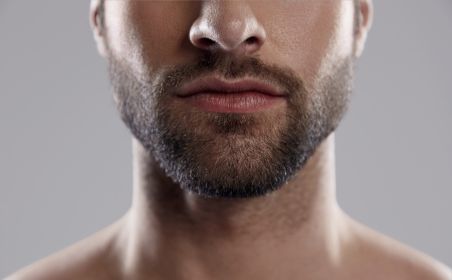
Sideburns cheeks chin electrolysis
Mixed textures, mixed colors, always-visible placement—the lower face is where temporary methods fall short and individual-follicle precision matters most.
Learn More
Light hair: white/grey/blonde
White, gray, blonde, red, fine—if other methods left it behind, we finish the job. Electrolysis doesn’t need pigment. It targets the follicle directly.
Learn MorePricing
Electrolysis
Pricing goes by time
Junior Technician
$0
Senior Technician
$0
All Nios electrologists receive the same rigorous training. Senior electrologists offer more years of hands-on experience.
How Much Time Do I Need?
Electrolysis is billed by time, not body part, since every client’s hair density and treatment area are different.
-
Small areas
Lip, chin, eyebrows, fingers: ~5–30 minutes
-
Medium areas
Underarms, bikini: ~30–60 minutes
-
Large areas
Legs, chest, back, etc.: 60 to 120+ minutes
The exact timing varies from person to person — for example, underarms may take 30 minutes for one client and a full hour or more for another.
The best way to know what your treatment plan will look like is to book a free consultation, where we can assess your hair in person and give you a personalized estimate.
How many sessions do I need?
Hair grows in cycles—only active follicles can be treated, so multiple sessions are required. Most clients achieve permanent results within 12–18 months: twice a month at first, then monthly as hair thins.
Book a free consultation for a personalized estimate.
Client Testimonials


