

Three Zones. Three Different Hair Profiles. One Method That Covers All of Them.
Sideburns, cheeks, and chin sit close together but behave differently—which is why a single temporary method rarely addresses all three cleanly. Sideburn hair tends to be denser and more directional, often mixed in color, and frequently disrupts makeup application or catches in photos from angles you can’t anticipate. Cheek hair is often finer but camera-visible—quieter than chin hair until a photo or a Zoom call makes it suddenly obvious. Chin hair is typically the most stubborn: coarser, deeper, and more likely to be driven by hormonal signals that no temporary method can interrupt.
Electrolysis addresses all three with the same approach: a fine, sterile probe into each follicle individually, a controlled pulse to the growth center, and permanent closure regardless of hair color or skin tone. The precision that makes this method right for the face is the same across all three zones—applied with zone-specific intent.
Mixed Color, Darker Skin Tones, Hormonal Drivers—Laser Gets All Three Wrong Here.
The sideburn, cheek, and chin zone is one of the clearest cases where laser’s limitations become practical problems.
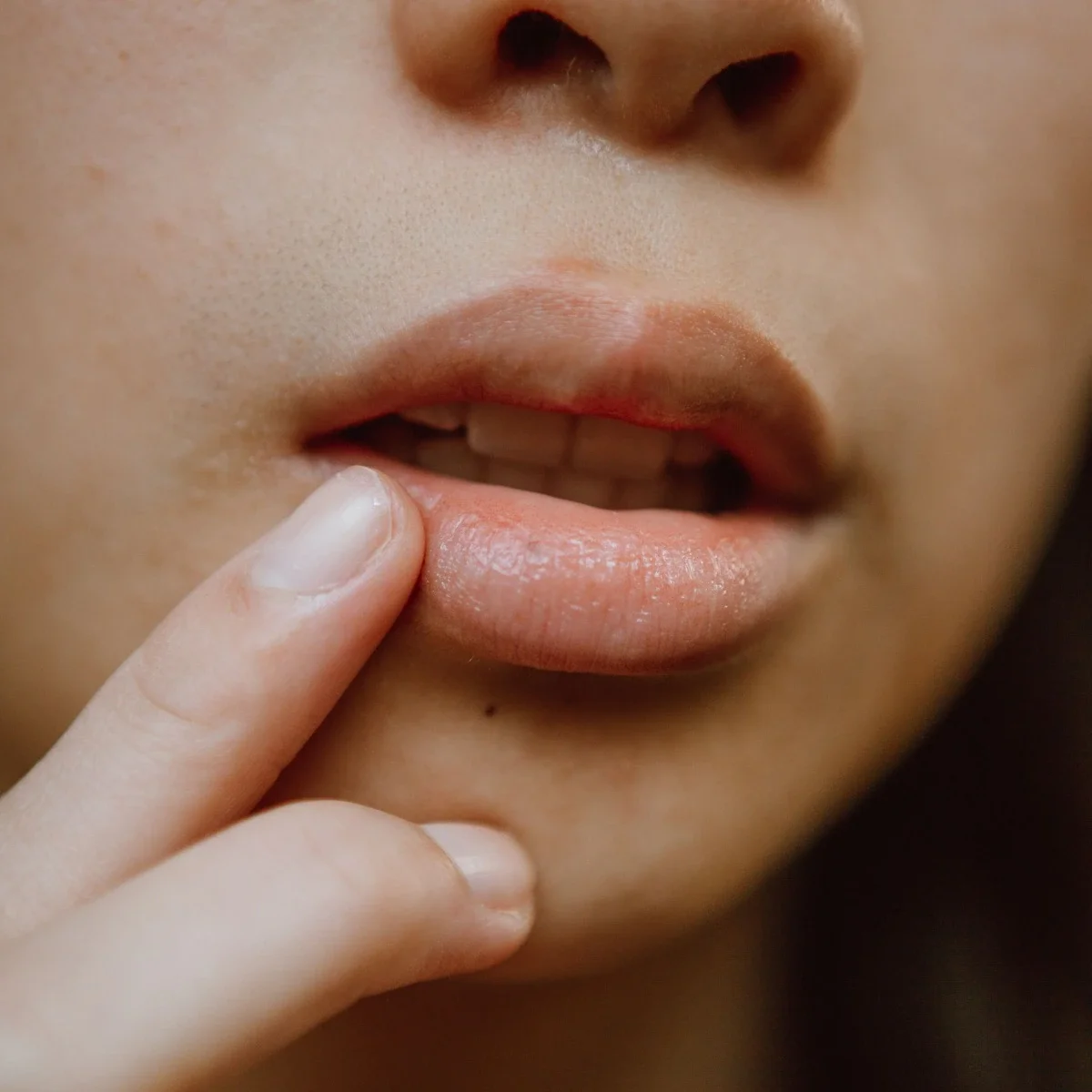
The mixed-color problem: Sideburn and cheek hair is frequently a combination of coarser dark hairs and lighter transitional growth. Laser requires melanin contrast to function—it treats the darker fraction and misses the rest, regardless of session count or device quality.
The skin tone problem: The cheek and jaw area carries real pigmentation risk for darker skin tones when laser energy is applied. Electrolysis delivers heat directly to the follicle with no broad surface energy, no melanin dependency, and no pigmentation ceiling.
The hormonal problem: Chin and cheek hair driven by PCOS or androgenic shifts is specifically associated with paradoxical hypertrichosis—where laser stimulates dormant follicles rather than disabling active ones. Electrolysis doesn’t carry this risk.
Related Solutions
Find Your Page
Sideburns Electrolysis
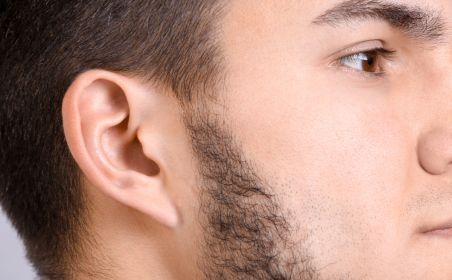
Dense or fine, dark or mixed—sideburn hair that blurs your line, shows up in photos, or disrupts makeup belongs to a follicle we can permanently close.
Learn More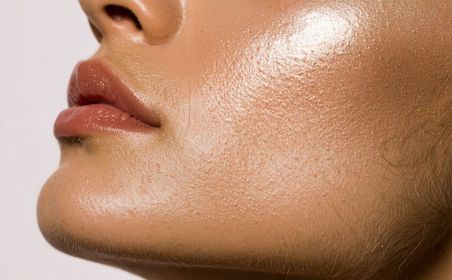
Chin electrolysis
Chin hair tends to be coarser, more stubborn, and more often hormonally driven than other facial zones.
Learn More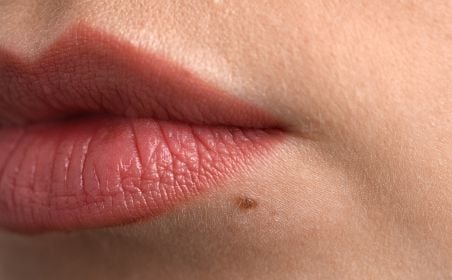
Pcos
When chin hair, neck stubble, or facial strays turn into a daily job, it’s time to stop managing hormones with a razor.
Learn MoreElectrolysis Results
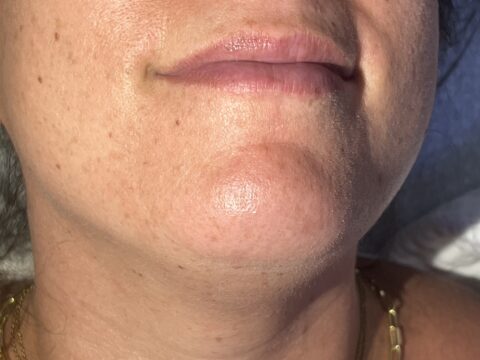
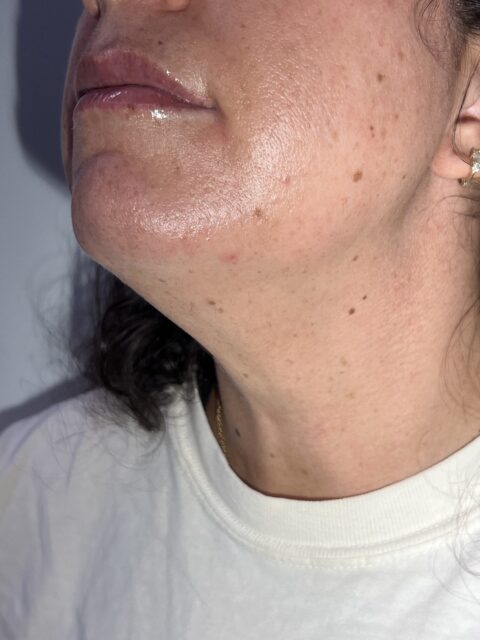
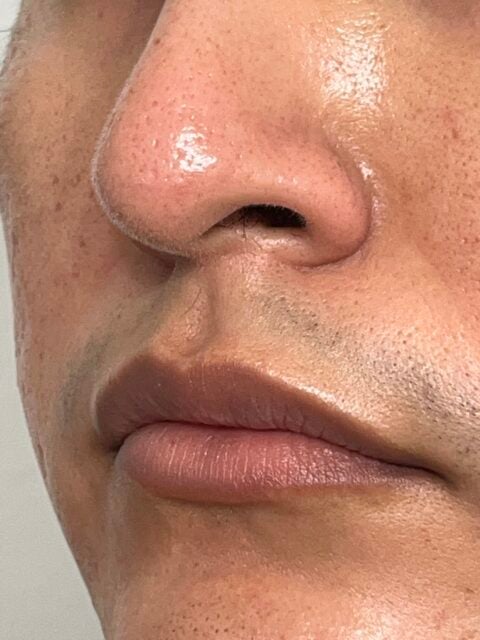
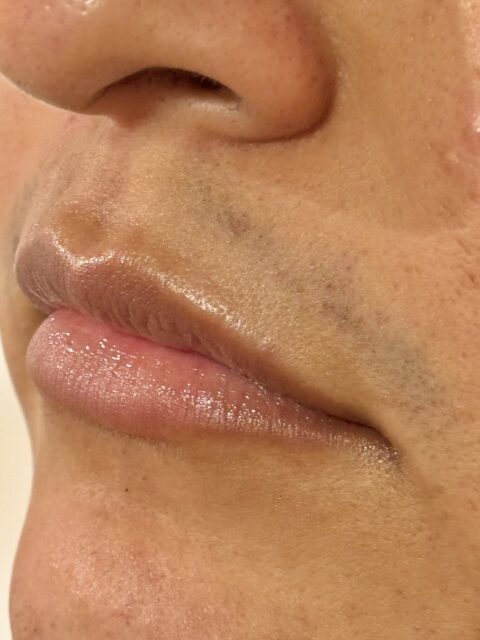
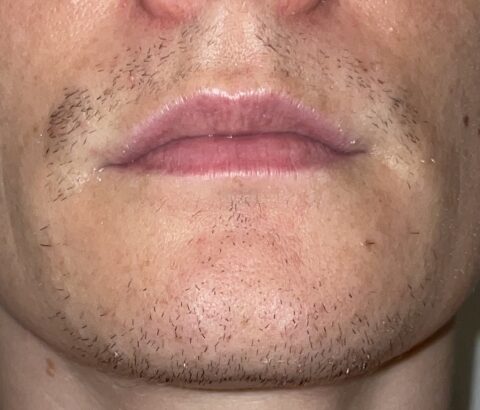
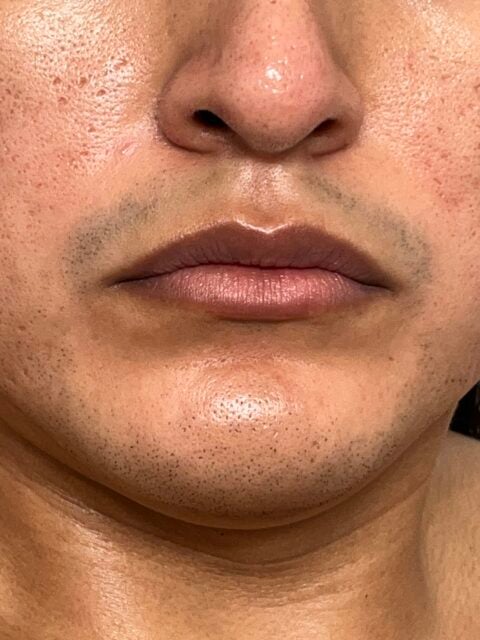
See the visible reduction achieved through consistent electrolysis treatments over multiple sessions.
Results may vary depending on hair colors, treatment area, and consistency.
 Before
 After 23 sessions
 Before
 After 12 sessions
 Before
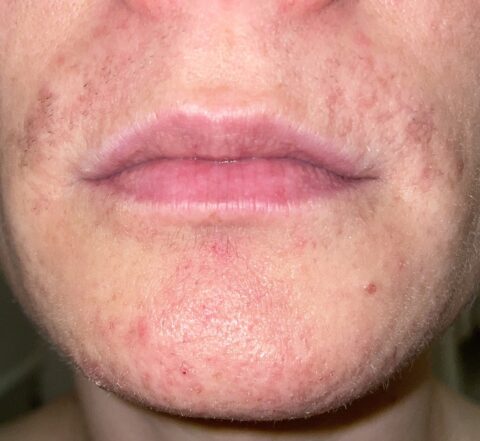 After 31 sessions
 Before
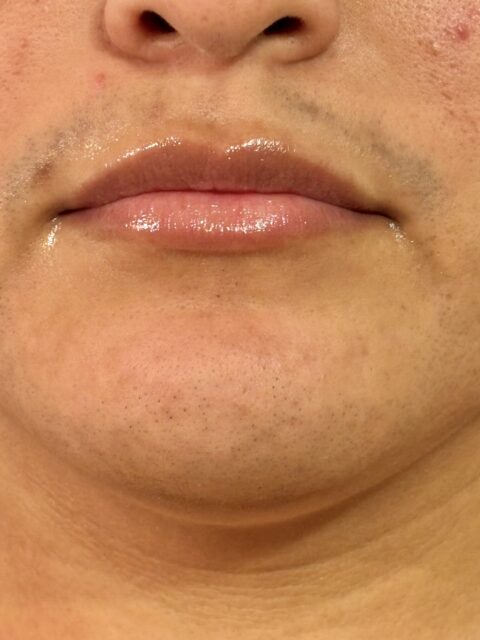 After 12 sessions
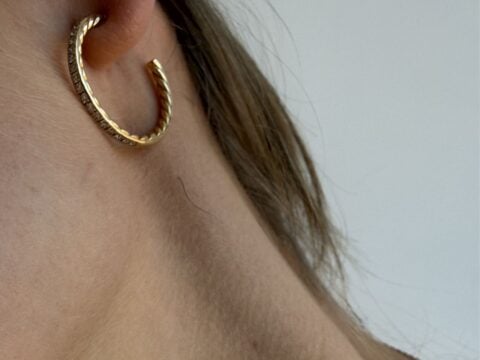 Before
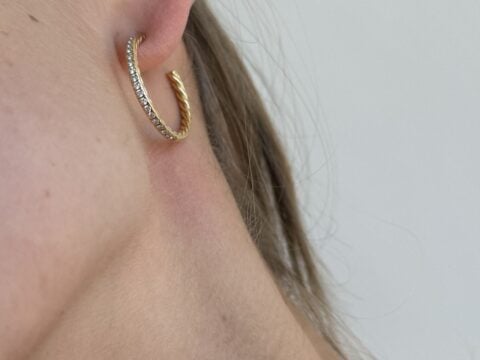 After 1 session
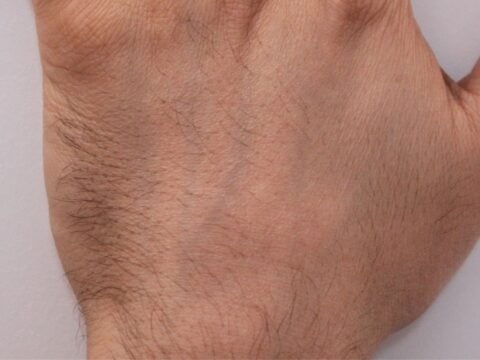 Before
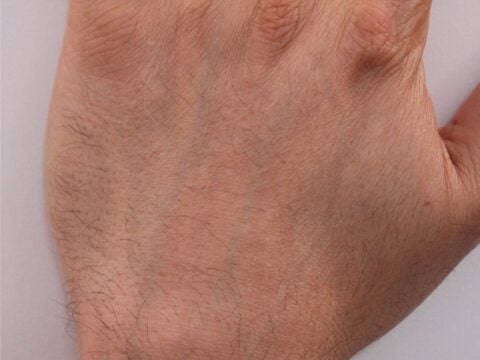 After 15 sessions
Pricing
Electrolysis
Pricing goes by time
Junior Technician
$0
Senior Technician
$0
All Nios electrologists receive the same rigorous training. Senior electrologists offer more years of hands-on experience.
How Much Time Do I Need?
Electrolysis is billed by time, not body part, since every client’s hair density and treatment area are different.
-
Small areas
Lip, chin, eyebrows, fingers: ~5–30 minutes
-
Medium areas
Underarms, bikini: ~30–60 minutes
-
Large areas
Legs, chest, back, etc.: 60 to 120+ minutes
The exact timing varies from person to person — for example, underarms may take 30 minutes for one client and a full hour or more for another.
The best way to know what your treatment plan will look like is to book a free consultation, where we can assess your hair in person and give you a personalized estimate.
How many sessions do I need?
Hair grows in cycles—only active follicles can be treated, so multiple sessions are required. Most clients achieve permanent results within 12–18 months: twice a month at first, then monthly as hair thins.
Book a free consultation for a personalized estimate.
Client Testimonials


