

Laser Didn’t Fail Because of You. It Failed Because of Physics.
Most people who come to Nios after laser aren’t starting over—they’re finishing a job the method couldn’t complete. Maybe the darker hairs cleared but the lighter ones remain. Maybe you had rounds of sessions with diminishing returns and persistent patches. Maybe the hair came back, or got worse after treatment. These aren’t unusual outcomes. They’re the predictable limits of a pigment-dependent technology applied to a follicle problem. Electrolysis doesn’t have that limit.
Three Ways Laser Falls Short. One Method That Covers All of Them.
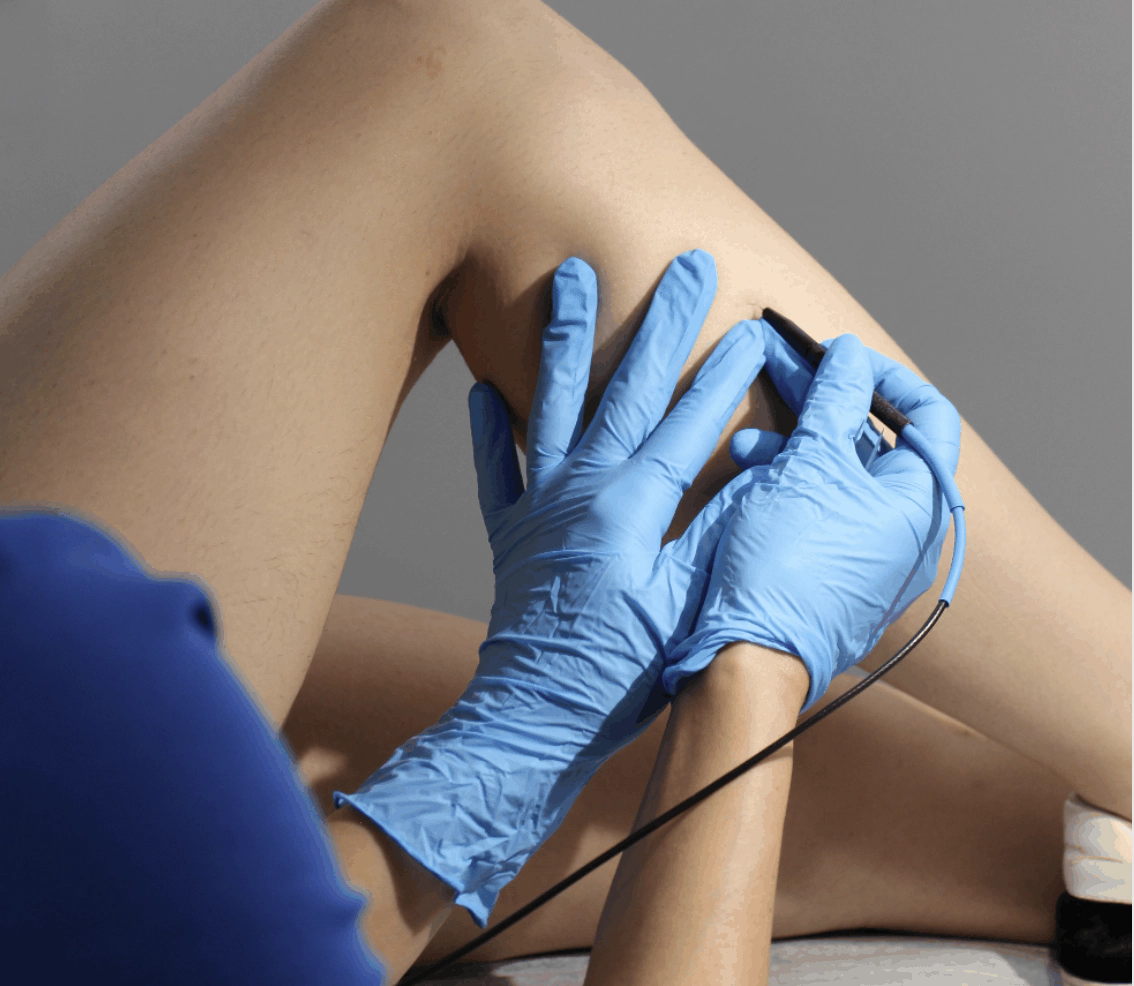
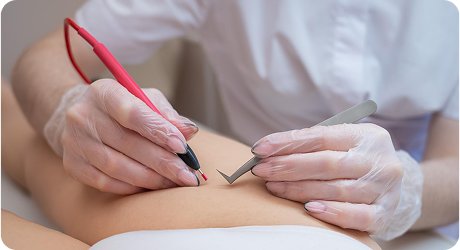
Laser targets melanin. No melanin contrast, no treatment. That’s why blonde, gray, red, and white hairs survive laser regardless of session count—the device can’t see them. It’s also why results are inconsistent across different areas of the same body: melanin distribution isn’t uniform. Electrolysis works differently. A fine, sterile probe targets each follicle with controlled heat, permanently destroying the growth center. Pigment is irrelevant. Dark hairs, light hairs, mixed hairs—every follicle is addressable.

Laser Gets You Part of the Way. Electrolysis Finishes the Job.
Most clients starting electrolysis after laser aren’t rebuilding from zero—they’re addressing what’s left. Areas that cleared mean fewer follicles now. Zones that didn’t clear are exactly what electrolysis is designed for. We assess what laser addressed, what it couldn’t reach, and what needs finishing—then build a protocol around your actual remaining follicle count, not a generic timeline. The work is often faster than expected because some of it is already done.
Three Specific Situations Electrolysis Resolves After Laser.
Persistent light hairs: Blonde, gray, red, or white hairs that laser couldn’t detect. Electrolysis treats them identically to dark hairs—pigment is irrelevant to the probe.
Patchy coverage: Areas where laser cleared some follicles but not all, leaving visible inconsistency. Electrolysis closes what remains without restarting the whole zone.
Increased growth after laser (paradoxical hypertrichosis): A documented clinical pattern where laser stimulates dormant follicles in hormonally active zones. Electrolysis doesn’t carry this risk—individual follicle treatment with no broad energy delivery means no surrounding tissue stimulation.

Who is Electrolysis for?
When laser left persistent hairs, patchy coverage, or growth that got worse instead of better—you didn’t fail the treatment. The treatment hit its limit. Here’s who finishes it.
- Have had laser that left persistent blonde, gray, red, or white hairs in the treated area.
- Completed multiple laser sessions with diminishing returns and still have visible coverage.
- Have patchy areas where some follicles cleared and others didn’t.
- Experienced more growth after laser in a hormonally active zone—chin, jaw, upper lip, or neck.
- Have hairs that simply didn’t respond to laser despite the right hair color profile.
- Want to permanently close what’s left without starting a completely new protocol from scratch.
- You’ve just finished a laser course and your skin is still actively recovering—we typically assess what remains four to six weeks after your last session.
- You’re mid-laser-course and still seeing meaningful reduction—finish the course first, then evaluate what needs finishing.

Electrolysis vs Waxing vs Laser Hair Reduction
Waxing is temporary, laser is partial, electrolysis is permanent. Different tools, different results.
-
Perfect, individual-hair precision
-
Safe for all skin tones
-
Effective on all hair colors
-
Brief heat sensation
-
PERMANENT REMOVAL, NOT JUST REDUCTION

-
Approximate precision
-
All skin tones
-
All hair colors
-
Ripping sensation
-
Temporary results

-
Approximate (~½” applicator) precision
-
Struggles with dark & tan skin
-
Limited on light, gray, red, or fine hair
-
Snapping sensation
-
Permanent reduction
Electrolysis Results
See the visible reduction achieved through consistent electrolysis treatments over multiple sessions.
Results may vary depending on hair colors, treatment area, and consistency.
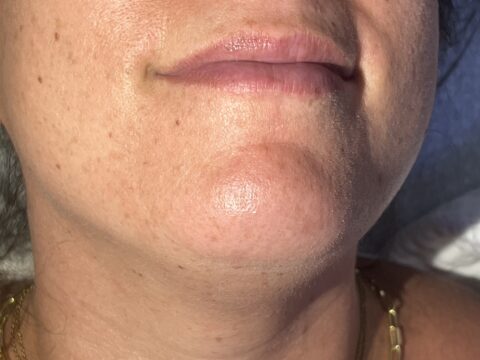 Before
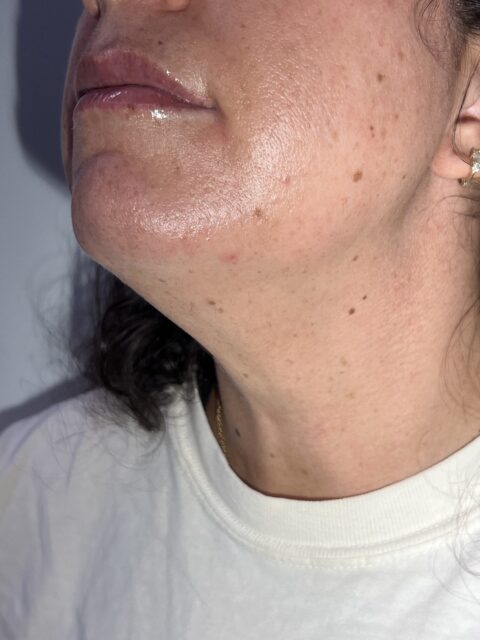 After 23 sessions
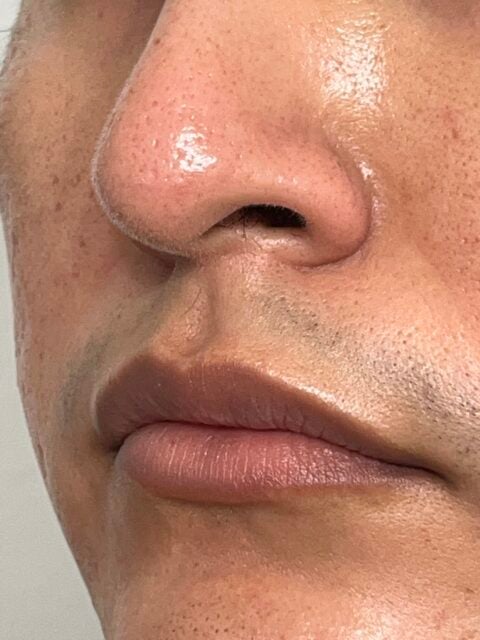 Before
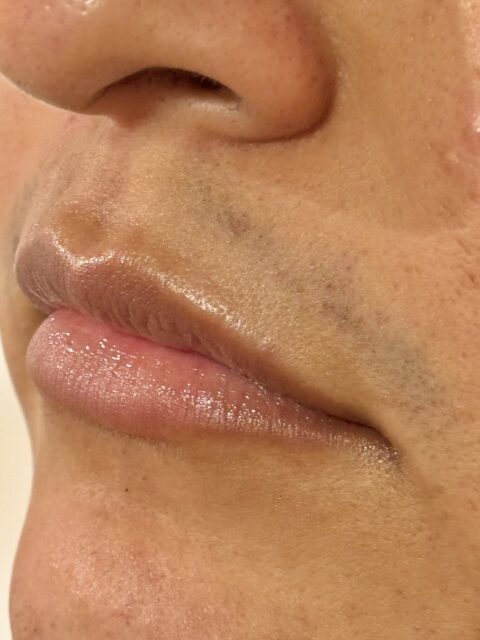 After 12 sessions
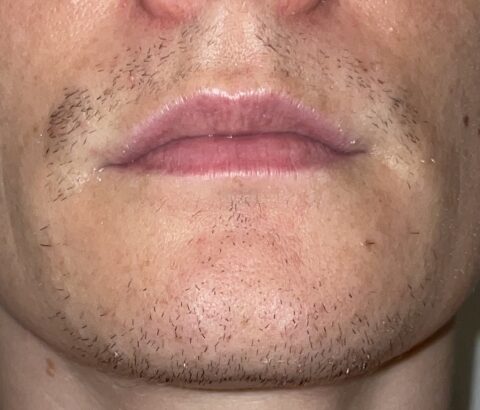 Before
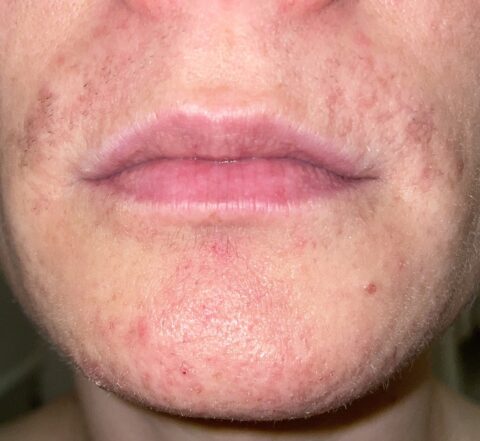 After 31 sessions
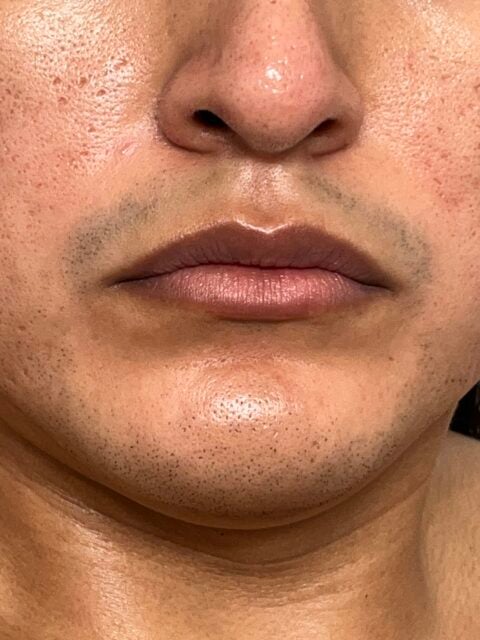 Before
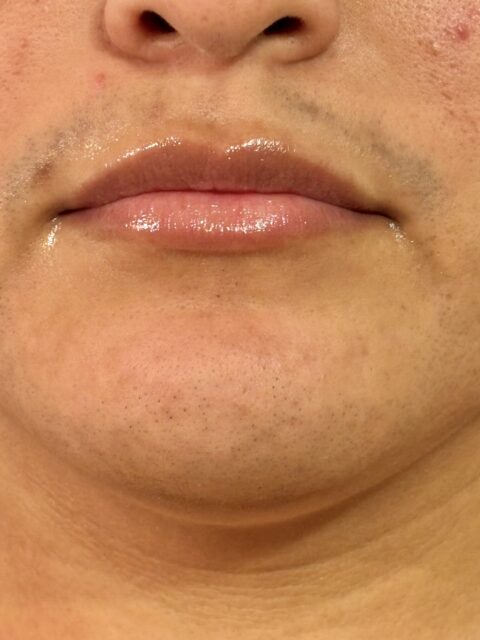 After 12 sessions
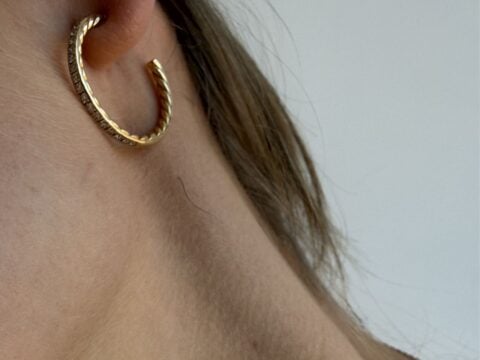 Before
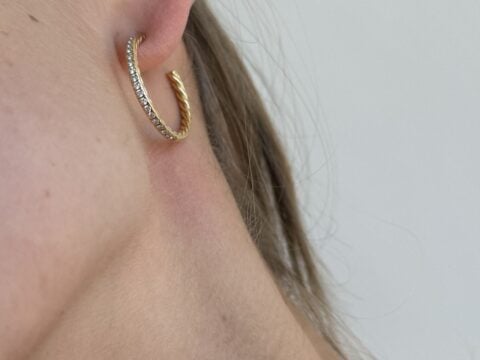 After 1 session
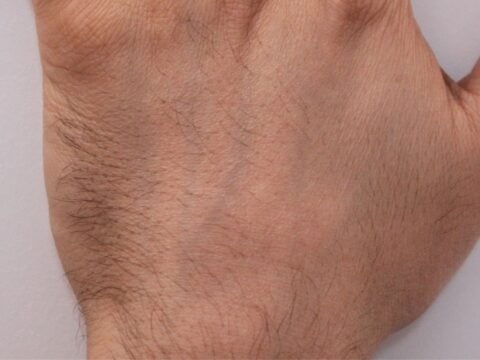 Before
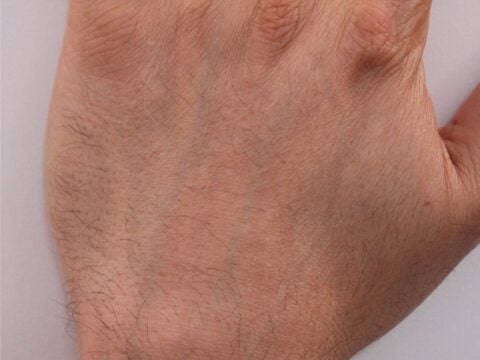 After 15 sessions
The NIOS Standard

-
M.D. Founded
Protocols designed by an M.D. We adhere to safety and hygiene standards that go beyond typical spa requirements.
-
Science,not sales
Our technicians are paid to clear your skin, not to upsell you. No quotas, no pressure—just results.
-
Clinical-Grade tech
Apilus xCell Technology. We use the fastest, most precise epilators on the market.
-
Rigorous training
Expert hands only. Hand-picked and continuously tested. We hire for precision and keep for kindness.
-
Open 7 days 9am–8pm
Locations across NYC with complimentary high-end sound healing systems. Your records sync across all of them, treat wherever is convenient.
The Team
We are a multidisciplinary team of licensed estheticians, electrologists, engineers, creatives, and more—sharing expertise across disciplines and united by a single goal: You.













































Your Questions,
Our Answers
-
Can electrolysis remove hair that laser couldn't treat?
Yes—electrolysis treats every hair type laser misses. Laser depends on melanin contrast; electrolysis delivers controlled heat directly to the follicle structure, independent of color. Blonde, gray, red, and white hairs that are effectively invisible to a laser device are fully within scope for electrolysis. Fine, transitional, and light hairs that laser skips in mixed-color zones are also treatable. If the follicle is visible and accessible, electrolysis can close it.
Concierge Note:
Most clients who arrive after laser with persistent light hairs have been told there’s nothing more to do. There is. Electrolysis doesn’t have a pigment floor—if the hair is there, it can be treated. Book a Nios consult in Manhattan, Brooklyn, Queens, or Union Square and we’ll assess exactly what’s left and what finishing it actually involves. -
Why did laser work for some of my hair but not all of it?
Melanin distribution isn’t uniform—even within a single treatment zone, darker hairs absorb laser energy well while lighter or finer hairs don’t. This creates the patchy coverage pattern common after laser: the coarser, darker follicles reduce significantly while the lighter fraction remains untreated. It’s also why results often plateau after a few rounds—the easy-to-target hairs are gone, and what’s left is the profile laser can’t reach. Electrolysis closes the remainder regardless of color.
Concierge Note:
The plateau isn’t a sign you need more laser sessions—it’s a sign you’ve hit the pigment ceiling. Most clients who’ve done four or more laser rounds and still have visible hair are past the point of diminishing returns on that method. Electrolysis is the next step, not a fresh start. Ask your Nios electrologist at your consult how many follicles are actually left and what a realistic finishing timeline looks like. -
My hair got worse after laser treatment. Is that possible?
Yes—and it’s documented. Paradoxical hypertrichosis is a clinical pattern in which laser treatment stimulates dormant follicles in adjacent tissue rather than disabling active ones, resulting in increased density rather than reduction. It’s most common in hormonally active zones: chin, jaw, upper lip, and neck. It occurs more frequently in people with PCOS or androgenic conditions, and in individuals with darker skin undertones where melanin in surrounding skin absorbs energy. Electrolysis doesn’t carry this risk because it treats each follicle individually with direct heat—no broad surface energy, no surrounding tissue stimulation.
Concierge Note:
If you’ve had this experience, you’re not imagining it—and you’re not alone. It’s one of the more common reasons clients arrive at Nios specifically for facial zones. The good news: electrolysis can close the follicles that laser stimulated. The protocol may take longer than if you were starting fresh, but treated follicles stay permanently closed. See our Facial Hair Removal and PCOS pages for the full context. Your consult is where we assess what’s driving the pattern. -
How long should I wait after laser before starting electrolysis?
A general guideline is four to six weeks after your final laser session, once skin has recovered and any post-treatment inflammation has resolved. The more practical marker: skin should feel and look normal in the treatment area with no residual sensitivity, redness, or active reaction. If you finished a full laser course some time ago and are just now considering electrolysis, no waiting period is needed—we assess the current state of the follicles at your consult.
Concierge Note:
The timing question is less about a fixed number and more about skin stability. If you’re unsure whether you’re ready, that’s exactly what the Nios consult is for—we look at the skin in person and tell you directly whether we’re working with a ready surface or need to give it more time. Most clients who’ve been post-laser for more than a few months have nothing to wait for. Book a consult and we’ll assess it properly. -
Do I have to start over completely, or does laser progress count for something?
Laser progress counts—meaningfully. Every follicle laser successfully closed is one fewer for electrolysis to address. If laser cleared sixty percent of a zone, electrolysis is working on forty percent, not a hundred. Session count, cost, and timeline all reflect what’s actually remaining rather than a full protocol. The consult is where we map the current follicle density and build a scope based on what we observe—not a generic estimate based on the zone alone.
Concierge Note:
Most clients who’ve done laser hear “you’ll need to start over” and brace for a long protocol. That’s rarely accurate. Laser did real work—the remaining follicles are often a fraction of the original density. Think of it like compound interest running in reverse: less remaining means less to do from here. Ask your Nios esthetician at your consult what the actual remaining scope looks like for your specific situation. -
Is electrolysis more uncomfortable than laser?
Different sensation—not necessarily more intense. Laser delivers a broad pulse of energy across a treatment zone; clients typically describe it as a rubber band snap or heat flash. Electrolysis delivers a focused pulse at each individual follicle; clients describe it as a quick heat pinch or pinprick. The difference is duration and distribution: laser treats broad areas in fewer pulses, electrolysis treats individual follicles over a session. Neither is pain-free, but both are manageable—and for electrolysis, we calibrate energy throughout the session to stay inside your tolerance.
Concierge Note:
Most clients who’ve had laser find electrolysis more localized—one follicle at a time, not a broad flash. For zones like the face, many find this actually easier to manage. Session pacing, energy calibration, and topical numbing options are all worth discussing at your Nios consult if sensation was a concern with laser. We distinguish between sensation and pain, and we work inside your window throughout. -
What if laser also caused skin damage or pigmentation—can you still treat me?
In many cases, yes—but we assess the skin first. Post-laser hyperpigmentation, scarring, or ongoing reactivity affects treatment pacing rather than eligibility. Electrolysis targets the follicle directly with a fine probe and doesn’t carry the broad surface energy risk that caused the original damage. If post-inflammatory pigmentation is present, we may pace sessions conservatively and recommend pairing early electrolysis with a Calming Facial to support the barrier while follicles are being permanently closed. The consult is where we determine what the skin can handle and at what pace.
Concierge Note:
Skin that’s been through multiple laser rounds can be more reactive, more sensitized, or carrying hyperpigmentation that needs managing alongside the hair removal. We build around that from session one—not as an afterthought. Most clients find that stopping the repeated laser stimulus and switching to electrolysis actually lets the skin start recovering, particularly in zones where laser was triggering ongoing inflammation. Ask your esthetician at Nios what the right starting pace looks like for your specific skin history.
Related Solutions
Many similar clients also treat
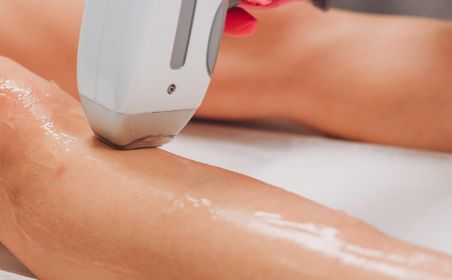
Laser vs electrolysis permanent hair removal
Both are marketed as permanent. Laser is generally FDA-cleared only for permanent hair reduction; electrolysis is permanent hair removal.
Learn More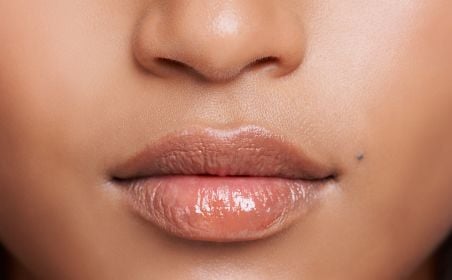
Upper Lip Electrolysis
The permanent solution for upper lip hair—fine fuzz, visible shadow, or coarser growth along the lip line. Safe for all skin tones. Effective on every hair color.
Learn More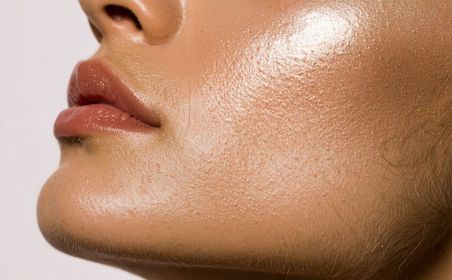
Chin electrolysis
Chin hair tends to be coarser, more stubborn, and more often hormonally driven than other facial zones.
Learn MorePricing
Electrolysis
Pricing goes by time
Junior Technician
$0
Senior Technician
$0
All Nios electrologists receive the same rigorous training. Senior electrologists offer more years of hands-on experience.
How Much Time Do I Need?
Electrolysis is billed by time, not body part, since every client’s hair density and treatment area are different.
-
Small areas
Lip, chin, eyebrows, fingers: ~5–30 minutes
-
Medium areas
Underarms, bikini: ~30–60 minutes
-
Large areas
Legs, chest, back, etc.: 60 to 120+ minutes
The exact timing varies from person to person — for example, underarms may take 30 minutes for one client and a full hour or more for another.
The best way to know what your treatment plan will look like is to book a free consultation, where we can assess your hair in person and give you a personalized estimate.
Three Specific Situations Electrolysis Resolves After Laser.
Persistent light hairs: Blonde, gray, red, or white hairs that laser couldn’t detect. Electrolysis treats them identically to dark hairs—pigment is irrelevant to the probe.
Patchy coverage: Areas where laser cleared some follicles but not all, leaving visible inconsistency. Electrolysis closes what remains without restarting the whole zone.
Increased growth after laser (paradoxical hypertrichosis): A documented clinical pattern where laser stimulates dormant follicles in hormonally active zones. Electrolysis doesn’t carry this risk—individual follicle treatment with no broad energy delivery means no surrounding tissue stimulation.
Client Testimonials


