

It’s Not “a Few Hairs.” It’s the Constant Checking.
Breast and areola hair is one of the most privately managed hair removal situations—normal and extremely common, influenced by hormones, genetics, pregnancy, breastfeeding history, medications, and conditions like PCOS. The management problem is what makes it frustrating: the area is too sensitive to wax reliably, too awkward to shave cleanly, and tweezing is both painful on sensitive skin and entirely temporary. Tweezing can feel like control until it turns into inflammation, bumps, and dark marks. The follicle stays intact, the hair regrows, and the cycle never ends. Nios treats the follicle itself.
Why This Area Specifically Benefits From Electrolysis Over Every Other Method.
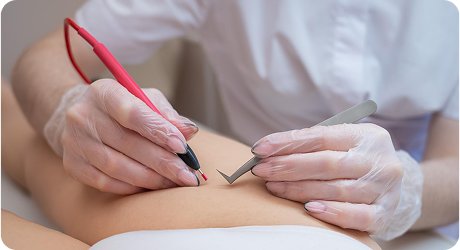
Electrolysis inserts a fine, sterile probe into each individual follicle and delivers a controlled pulse of heat directly to the growth center. The follicle’s ability to regenerate is permanently destroyed. Because the method is mechanical rather than pigment-dependent, it works on every hair type present in the breast and areola area: fine fuzz across the chest and breast tissue, and the coarser, darker hairs around the nipple that are often more prominent than expected. It also works on every skin tone. The precision of electrolysis—individual follicle by individual follicle—is especially well-suited to this area because the zone is small, sensitive, and requires careful, controlled treatment. We treat in small zones, which keeps the skin calm while results compound.
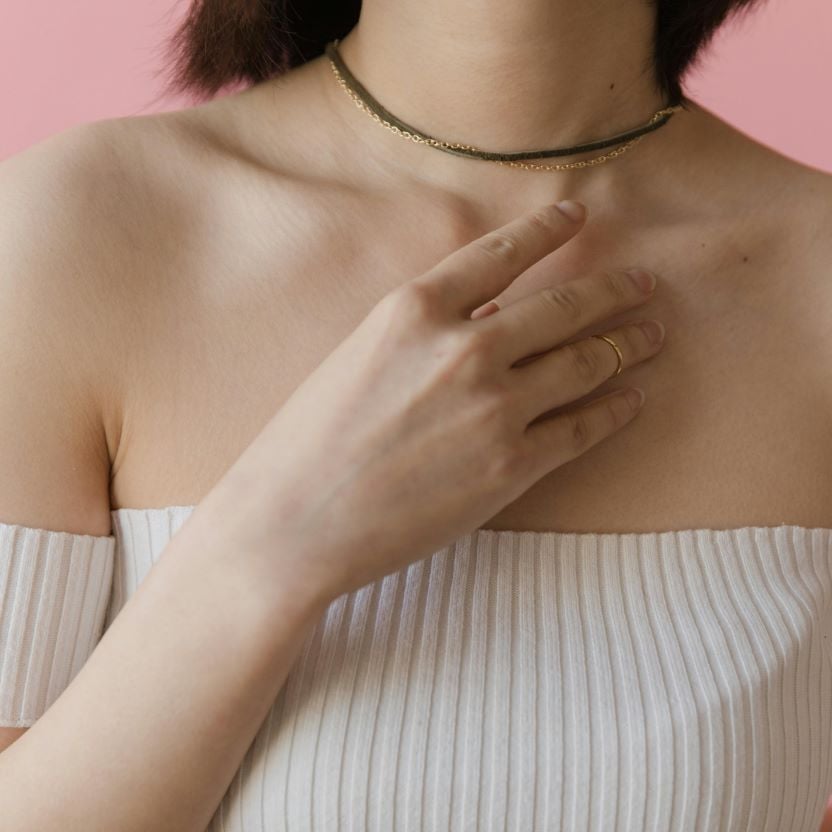
A Calmer Baseline. Not a Dramatic Reveal.
The breast and areola zone is one of the smaller treatment areas at Nios—which means the protocol is relatively contained, sessions are shorter than larger areas, and the number of follicles being addressed is manageable. Most clients typically find meaningful reduction in the most prominent hairs within the first consistent months of sessions. The bigger win is psychological: you stop scanning, you stop planning, and you stop reacting to “new” hairs that are really just the same follicles cycling back. Think of it like compound interest—small, consistent sessions beat endless emergency tweezing. Treated follicles stay permanently closed. The self-consciousness that came with the hair goes with it.

Who is Electrolysis for?
From areola hair cleanup (coarser, more visible hairs around the nipple) to wider breast hair removal (scattered but visible hairs across the breast or chest tissue), we assess density, skin sensitivity, and your goal.
- Have hair around the nipple or areola—whether a few coarse hairs or more pronounced growth.
- Have fine scattered fuzz across the breast tissue that affects texture or self-consciousness.
- Have been tweezing repeatedly and want to stop permanently.
- Have breast hair that’s increased with hormonal changes—pregnancy, breastfeeding, menopause, PCOS, or medication.
- Have tried or considered laser but have dark areola hair on darker skin, or hair too fine and light for laser to address.
- Want a private, clinical, non-theatrical treatment experience.
- Growth is sudden, rapid, or newly appearing alongside other symptoms and hasn’t been medically evaluated—worth a physician conversation first; assessment belongs elsewhere.
- You’re currently pregnant or breastfeeding—we generally recommend waiting until after; ask at your consult about timing.
- Skin in the treatment area is irritated, broken out, or freshly tweezed—we stabilize first, then treat.

Electrolysis vs Waxing vs Laser Hair Reduction
Waxing is temporary, laser is partial, electrolysis is permanent. Different tools, different results.
-
Perfect, individual-hair precision
-
Safe for all skin tones
-
Effective on all hair colors
-
Brief heat sensation
-
PERMANENT REMOVAL, NOT JUST REDUCTION
-
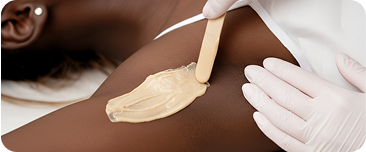
Approximate precision
-
All skin tones
-
All hair colors
-
Ripping sensation
-
Temporary results
-
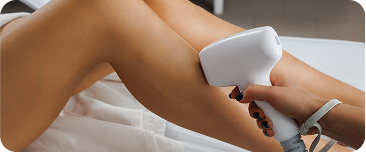
Approximate (~½” applicator) precision
-
Struggles with dark & tan skin
-
Limited on light, gray, red, or fine hair
-
Snapping sensation
-
Permanent reduction
Electrolysis Results
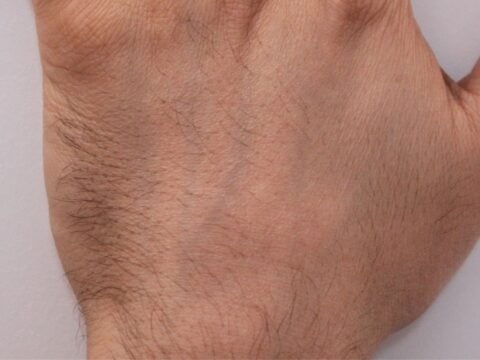
See the visible reduction achieved through consistent electrolysis treatments over multiple sessions.
Results may vary depending on hair colors, treatment area, and consistency.
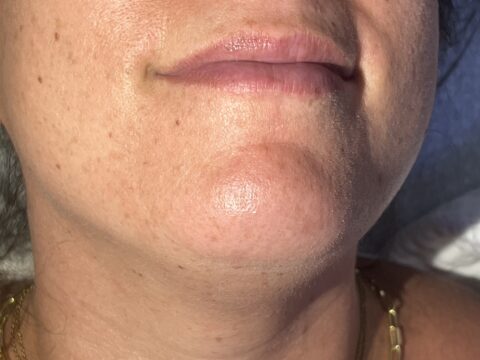 Before
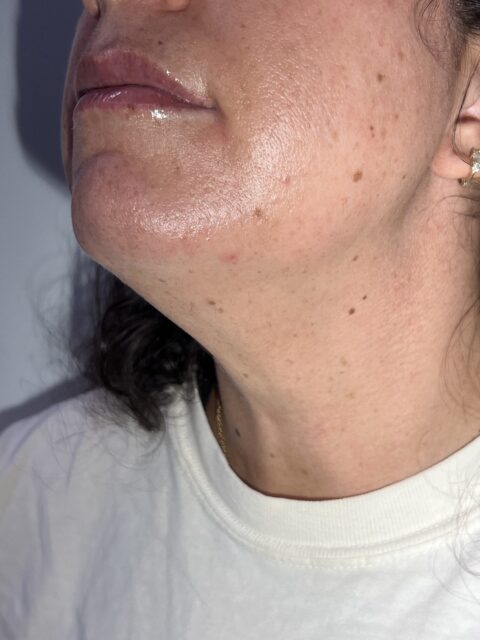 After 23 sessions
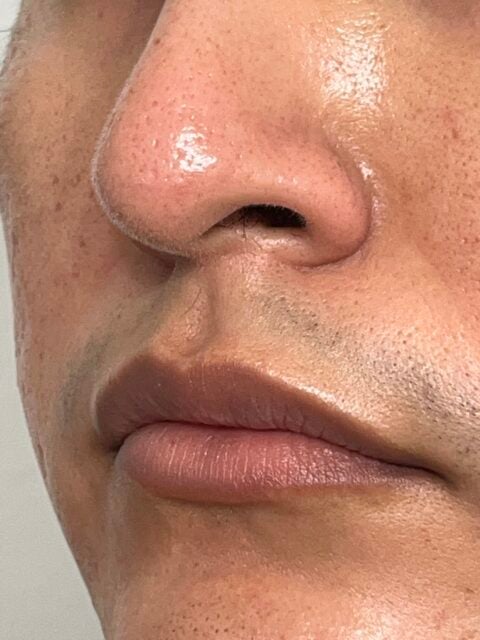 Before
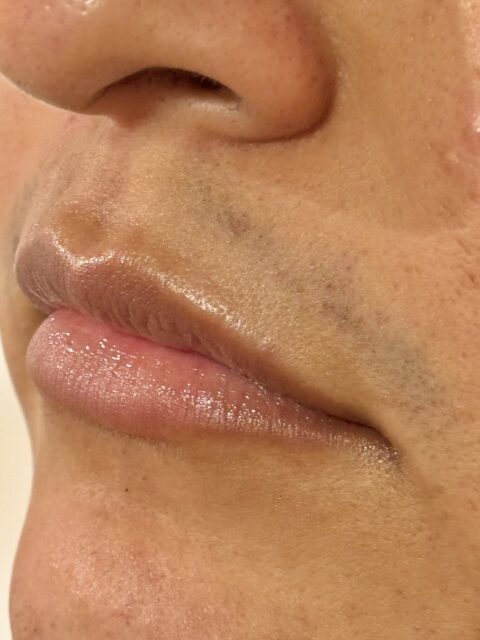 After 12 sessions
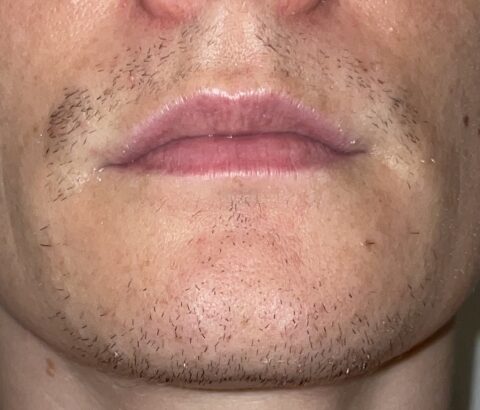 Before
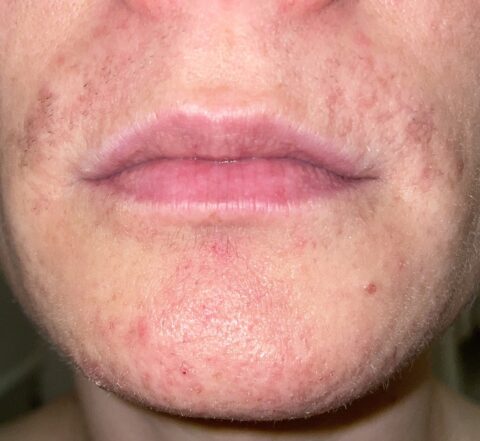 After 31 sessions
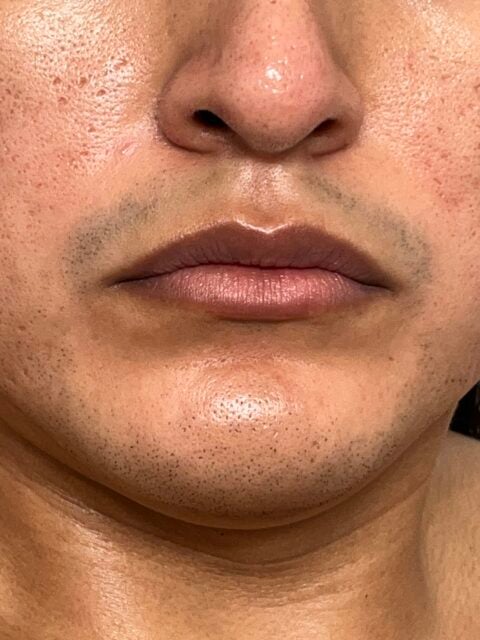 Before
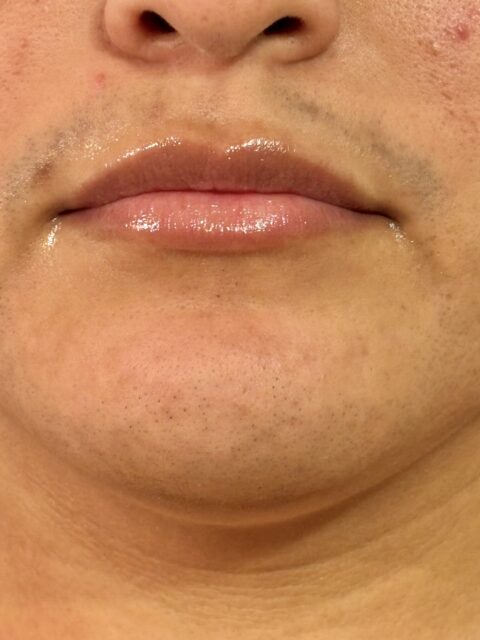 After 12 sessions
 Before
 After 1 session
 Before
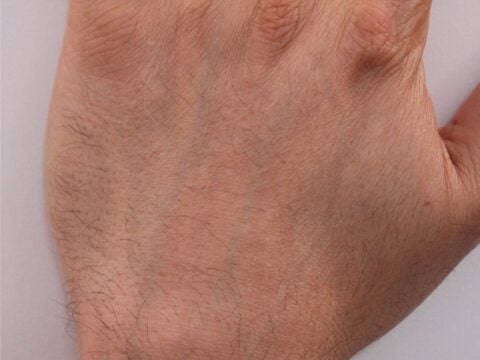 After 15 sessions
The NIOS Standard

-
M.D. Founded
Josh Gordon, M.D., earned his medical degree at NYU School of Medicine — then chose to build Nios rather than pursue a license. He leaves the treatments to the people who do them best: our licensed estheticians and trained electrologists.
-
Science,not sales
Our technicians are paid to clear your skin, not to upsell you. No quotas, no pressure—just results.
-
Clinical-Grade tech
Apilus xCell Technology. We use the fastest, most precise epilators on the market.
-
Rigorous training
Expert hands only. Hand-picked and continuously tested. We hire for precision and keep for kindness.
-
Open 7 days 9am–8pm
Locations across NYC with complimentary high-end sound healing systems. Your records sync across all of them, treat wherever is convenient.
The Team
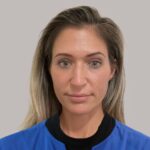
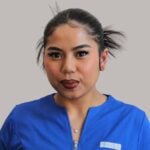
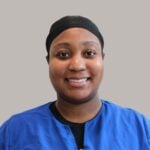
We are a multidisciplinary team of licensed estheticians, electrologists, engineers, creatives, and more—sharing expertise across disciplines and united by a single goal: You.










































Your Questions,
Our Answers
-
Is it normal to have hair on your breasts or areola?
Yes—entirely normal and extremely common. Hair follicles exist across the breast and chest, and the areola contains follicles that can produce hair ranging from fine and barely visible to coarse and dark. Hormonal factors—puberty, pregnancy, breastfeeding, menopause, and conditions like PCOS—influence how prominent that growth becomes and can shift its texture at different life stages. The fact that it’s rarely discussed doesn’t make it rare.
Concierge Note:
Nios treats this area routinely. The absence of public conversation around breast and areola hair is a cultural gap, not a clinical one—it’s one of the most common areas clients are relieved to finally address. Most clients find the consult itself the hardest step. Book one in NYC and we’ll take it from there. -
Why is tweezing breast and areola hair such a persistent problem?
Tweezing removes hair from the root and produces a clean result temporarily—but leaves the follicle’s growth center entirely intact. Regrowth begins immediately and the cycle resets every few weeks, indefinitely. Over years of repeated tweezing, hair often becomes more stubborn and the skin around the follicles more reactive. Electrolysis closes the follicle permanently: the hair releases, and the growth center is destroyed. The cycle ends.
Concierge Note:
Put down the tweezers and let us do the permanent work—your skin and your schedule will both benefit. The clients who’ve been managing this area with tweezers for years are typically the most relieved once they realize the exit strategy exists. Most find the transition to electrolysis straightforward once sessions start and the growth begins visibly thinning. That’s what consistent sessions produce. -
Can electrolysis safely treat the areola and nipple area?
Yes—and the areola is particularly well-suited to electrolysis because the method’s precision is exactly what sensitive tissue requires. A fine, sterile probe enters each individual follicle; surrounding skin is not broadly heated or affected. Electrolysis is significantly safer here than waxing, which applies heat broadly and pulls skin; laser, which delivers energy through the surface with only approximate targeting; or repeated tweezing, which causes microtrauma and ingrown risk on sensitive tissue. We treat this area conservatively and with full awareness of the sensitivity involved.
Concierge Note:
Precision over approximation matters more here than almost anywhere else on the body. The follicle is treated; the surrounding tissue isn’t involved. Most clients find the experience far more manageable than they anticipated—the clinical containment of the method is what makes this area appropriate for electrolysis and inappropriate for the alternatives. Ask your esthetician at your Nios consult what conservative pacing looks like for this zone. -
Can I do electrolysis on breast and areola hair if I have PCOS or hormonal conditions?
Yes—and for many clients with PCOS or other hormonal conditions, breast and areola hair is one of the areas most affected by androgen-driven growth. Electrolysis permanently closes the follicles currently active and producing hair. Ongoing hormonal activity may continue stimulating new follicles over time, which means the protocol is sustained rather than a fixed short course. Treated follicles stay closed; newly active ones are addressed as they appear.
Concierge Note:
Hormones may turn the lights on, but we shut the factory down—follicle by follicle. If hormonal growth is driving the picture, the breast and areola conversation is a starting point rather than the full clinical context. See our PCOS page or Hirsutism and Hypertrichosis page for the detailed breakdown. Your consult is the right place to map how the hormonal driver affects your specific protocol. -
How many sessions does breast and areola electrolysis take?
Fewer than larger areas. The breast and areola zone is relatively small with a defined follicle count, making this one of the shorter protocols at Nios. Most clients see meaningful reduction in the most prominent hairs within the first consistent months of sessions. Exact session count depends on how much growth is present and whether any hormonal driver is activating new follicles. Honest estimates come from your consult—based on what we observe, not a generic average.
Concierge Note:
This is one of the faster wins in electrolysis. The area is contained, the follicle count is low, and the goal is specific. Most clients find they’re done—genuinely done—before the timeline felt real when they first booked. If you’ve been managing this longer than you should have, that’s exactly what the consult is for. We’d rather give you an honest scope than an optimistic number that shifts later. -
Will electrolysis affect breastfeeding or nipple sensation?
Electrolysis treats only individual follicles—it has no structural effect on milk ducts, glandular tissue, or nerve endings. The probe enters the follicle only; surrounding tissue is not involved. Temporary heightened sensitivity immediately after a session is a normal post-treatment response that settles within hours. For clients who are currently breastfeeding or plan to, we generally recommend waiting until after as a precaution. Timing questions are worth raising at your consult.
Concierge Note:
If breastfeeding timing is relevant, flag it at your consult and we’ll discuss the specific considerations for your situation—not a generic policy. Most clients find the guidance clearer than expected once it’s applied to their actual timeline. The method is precise enough that the conversation is usually simpler than the concern. We’d rather address it directly than leave you guessing. -
Is the experience at Nios private and professional?
Yes. Breast and areola treatment is handled the same way a medical provider treats any body area: with clinical focus, full privacy, and no commentary beyond what’s relevant to the work. The room is private, the approach is directed, and the session is matter-of-fact. This area is treated routinely and without theater. You’re covered throughout, and the work is focused and efficient.
Concierge Note:
If it’s been the reason you’ve put this off, know that everyone who books has had the same hesitation before their first visit. The clinical environment makes the difference—and it’s intentional. Most clients find the appointment far less charged in practice than in anticipation. Across our Manhattan, Brooklyn, and Queens locations, the standard is the same: professional, private, and directed entirely by what you want.
Related Solutions
Many similar clients also treat

Light hair: white/grey/blonde
White, gray, blonde, red, fine—if other methods left it behind, we finish the job. Electrolysis doesn’t need pigment. It targets the follicle directly.
Learn More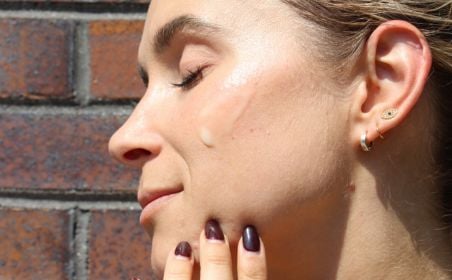
Fuzz hair electrolysis permanent removal
When that fuzz is messing with your makeup, photos and skin texture and it’s time for a permanent solution.
Learn More
Hirsutism
PCOS, menopause, thyroid, genetics—the cause varies, but the solution doesn’t. Hormones flip the switch. We cut the power.
Learn MorePricing
Electrolysis
Pricing goes by time
Junior Technician
$0
Senior Technician
$0
All Nios electrologists receive the same rigorous training. Senior electrologists offer more years of hands-on experience.
How Much Time Do I Need?
Electrolysis is billed by time, not body part, since every client’s hair density and treatment area are different.
-
Small areas
Lip, chin, eyebrows, fingers: ~5–30 minutes
-
Medium areas
Underarms, bikini: ~30–60 minutes
-
Large areas
Legs, chest, back, etc.: 60 to 120+ minutes
The exact timing varies from person to person — for example, underarms may take 30 minutes for one client and a full hour or more for another.
The best way to know what your treatment plan will look like is to book a free consultation, where we can assess your hair in person and give you a personalized estimate.
How many sessions do I need?
Hair grows in cycles—only active follicles can be treated, so multiple sessions are required. Most clients achieve permanent results within 12–18 months: twice a month at first, then monthly as hair thins.
Book a free consultation for a personalized estimate.
Client Testimonials


