Hair Removal for Sensitive Skin: Your Gentlest Options
Hair removal for sensitive skin, method by method: what irritates reactive skin, what's gentler, and…

Threading, waxing, shaving, laser, electrolysis. What each one actually does to upper lip hair, and which one ends the cycle.
Upper lip hair is the one most people notice first and mention least. It catches the light, it shows under makeup, and it sits in the middle of your face where every option feels high stakes. Plenty of people cycle through threading, waxing, and a drawer of half-used products for years without ever deciding on a real approach.
So here is the practitioner version: what each method actually does to the hair, how long it genuinely lasts, what it costs over time, and which one ends the cycle rather than restarting it.

Two things make this area harder than a leg or an underarm.
The skin is thin and highly visible. There is no forgiving margin, so irritation, ingrowns, and pigment changes show immediately. That rules out aggressive approaches a sturdier area might tolerate.
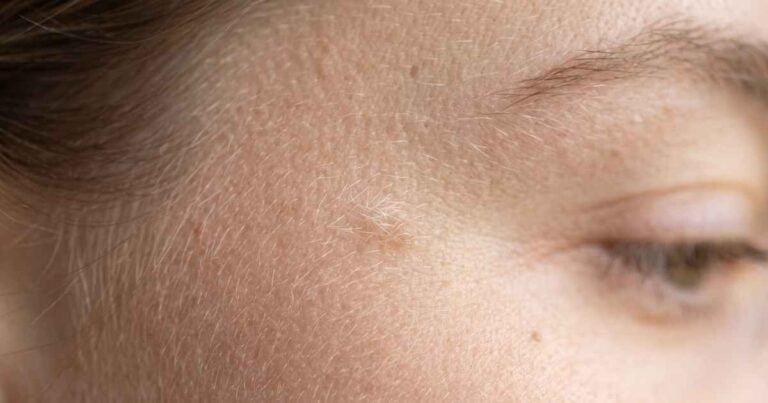
The hair is usually mixed. Most upper lips carry a blend of coarse dark hairs, finer mid-tone hairs, and pale vellus fuzz at the edges. That blend matters more than anything else in this guide, because the most common professional method can only treat one part of it.
Upper lip hair is also often hormonally driven, which is a separate question from which method to use. Our page on lip and chin facial hair removal covers that picture, and why women get facial hair goes through the causes. If yours arrived suddenly or is increasing quickly, raise it with your doctor.
All of these remove hair without touching the follicle, so regrowth is a matter of when, not if.
Threading. Precise, chemical-free, and well suited to the shape of an upper lip. Results run two to five weeks. It stings for the ten seconds it takes, and it is a good choice if you want definition without product on your skin.
Waxing. Fast and lasts a similar few weeks. The catch on an upper lip is that wax removes surface skin cells along with hair, which reactive skin often protests. It also needs regrowth long enough to grip, so you spend part of every cycle waiting.
Shaving. Safe on facial skin, immediate, and back within a day or two. Worth stating plainly since the myth is so persistent: shaving does not make the hair grow back thicker or darker. It only blunts the tip, which feels coarser for a few days. We cover the full explanation in does shaving make facial hair grow back thicker.
Depilatory creams. They dissolve hair at the surface, so no stubble edge. On an upper lip specifically, be cautious: the chemistry that breaks down hair also irritates thin facial skin, and this is one of the most common places people react. Patch test every time.
Tweezing. Fine for a stray hair, poor as a strategy. Repeatedly pulling from the root distorts the follicle over time, and on an upper lip it invites ingrowns.
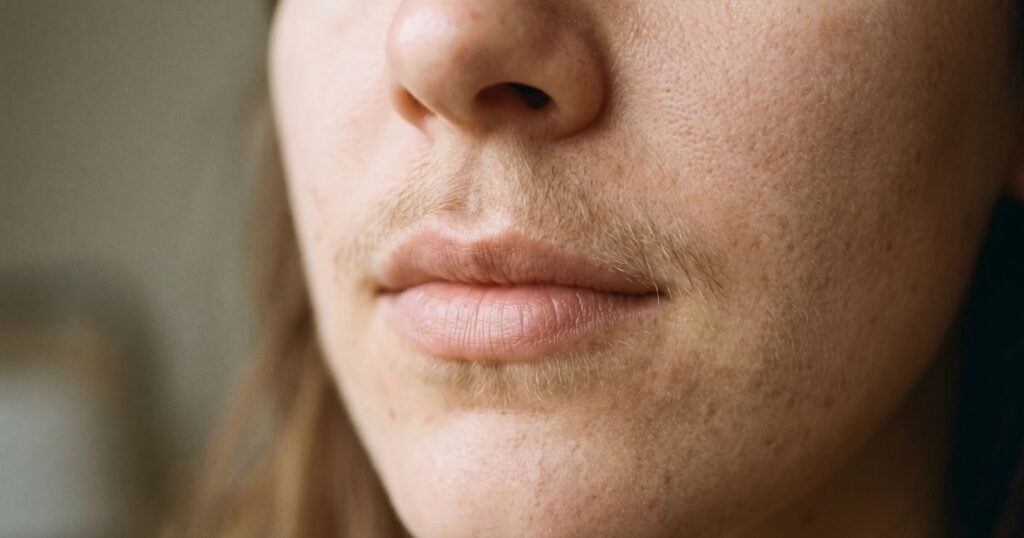
Laser treatment targets the pigment in the hair shaft, so it thins uniformly dark upper lip hair well across a series of sessions. Two limits matter on this zone: it delivers permanent reduction rather than removal, so maintenance continues, and it cannot see the pale, fine hair at the edges of most upper lips. That is why people so often finish a laser series with the coarse hair gone and a soft halo of light fuzz still there. Our electrolysis versus laser guide covers the full comparison.
On cost, treat any flat number you see online with suspicion, because pricing swings by city, provider, and how many sessions you actually need. The more useful way to think about it: laser looks cheaper per session and carries an open-ended tail of maintenance, while electrolysis costs more up front on a small area like this and then stops. Electrolysis at Nios Skin Lab starts at $30, and an upper lip is one of the smaller, quicker areas we treat. Our full pricing is published rather than quoted on request.
One method removes it permanently: electrolysis.
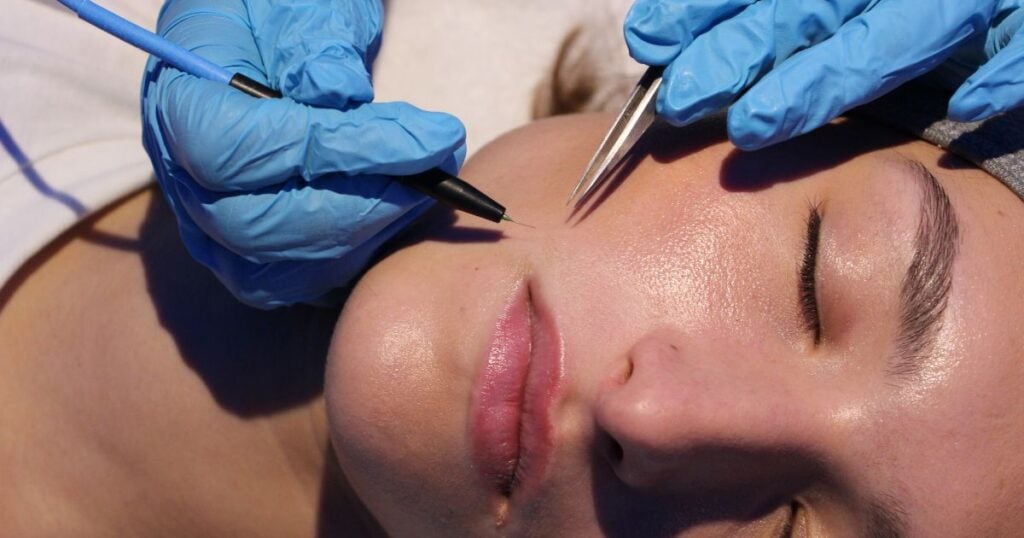
A fine probe follows the natural opening of each follicle and a small controlled current disables its ability to regrow. Because the target is the follicle itself rather than pigment in the hair, color is irrelevant. That is the specific reason it suits an upper lip: it treats the coarse dark hairs and the pale fuzz at the edges in the same session, which no light-based method manages.
Treating one follicle at a time also gives precise control over shape on an area this visible, without over-treating the skin around it.
Two expectations worth setting. Permanence arrives across a series of appointments rather than in one visit, because a follicle can only be treated while it is in active growth and yours cycle independently. And if a hormonal driver stays active, new follicles can switch on later and need their own treatment. The follicles already closed stay closed.
What is the best way to remove upper lip hair permanently?
Electrolysis, because it is the only method recognized for permanent hair removal and the only one that works on every hair color. Laser treatment thins dark upper lip hair effectively but delivers reduction rather than removal, and it cannot target the pale, fine hairs most upper lips carry at the edges. If the goal is finished rather than managed, electrolysis is the route, and an upper lip is a comparatively small area to complete.
Does removing upper lip hair make it grow back thicker or darker?
No. Thickness, color, and growth rate come from the follicle, and shaving, threading, and waxing never reach it. Freshly cut hair has a blunt tip instead of a naturally tapered one, so it feels coarser to the touch for a few days, and that sensation is the whole basis of the myth. Once the hair grows past the cut point it returns to normal.
Why does my upper lip hair keep coming back after waxing?
Because waxing removes the hair and leaves the follicle intact and able to produce another one. That is true of threading, shaving, and creams as well. Upper lip hair is also often hormonally driven, which keeps new growth arriving. Ending the cycle means treating the follicle rather than the hair, which is what electrolysis does.
Is laser or electrolysis better for the upper lip?
It depends on your hair. Laser treatment suits uniformly dark, coarse hair and thins it quickly, with maintenance sessions ongoing. Electrolysis suits mixed, fine, or pale hair, permanently removes what it treats, and gives finer control over shape on a visible area. Most upper lips carry mixed hair, which is why electrolysis is the more common recommendation here.
How do I stop getting ingrown hairs on my upper lip?
Stop pulling the hair from the root, since tweezing and waxing are the usual triggers, and avoid harsh exfoliation on skin that is already irritated. Permanently closing the follicle removes the source entirely, because no follicle means no hair to curl back. Our guide to ingrown hairs and razor bumps goes into the detail.
Most people spend years managing upper lip hair before they ever compare the options properly. If you want a few weeks of smooth, threading does the job. If you want it gone, electrolysis on the upper lip is the one method that removes every hair permanently, whatever its color.
Book a consultation at Nios Skin Lab in Manhattan, Brooklyn, or Queens and we look at your hair and tell you honestly what finishing this area involves.