Damaged Skin Barrier: The Signs, the Causes, and How to Repair It
Tight, stinging, flaking, breaking out, and nothing works. That is usually a barrier problem, and…
The short answer is no. Here’s the science behind the illusion—and what actually removes hair for good.
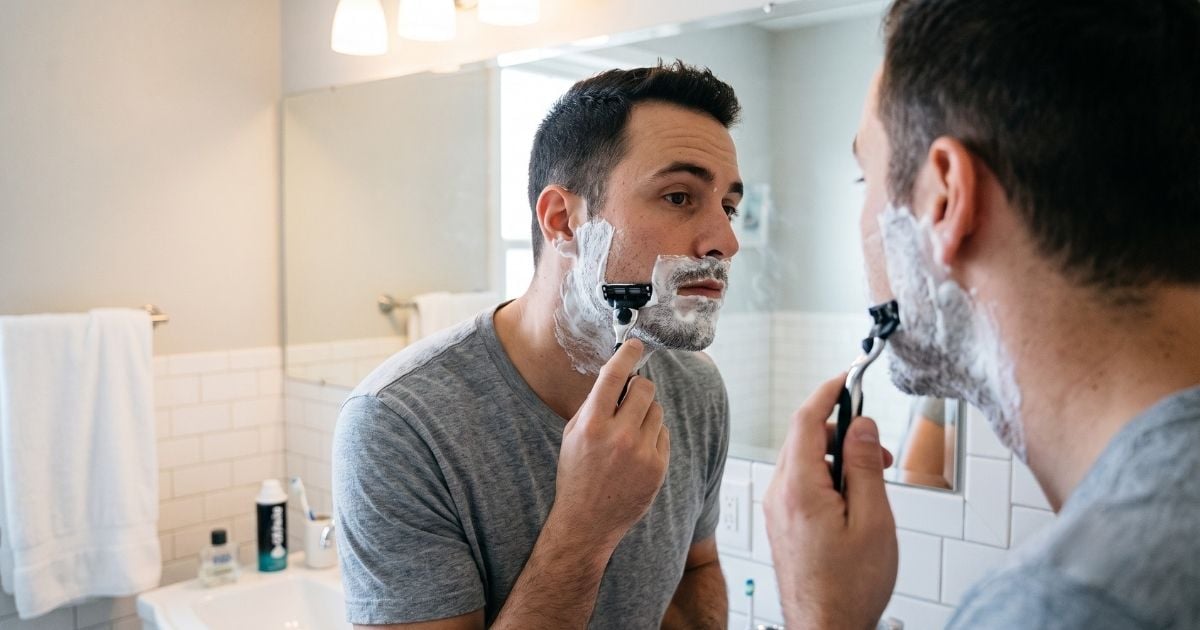
It’s one of the most persistent beauty myths there is: shave your facial hair and it’ll come back thicker, darker, and coarser. Plenty of people avoid a razor near their face for exactly this fear. The reassuring truth, backed by dermatologists and studies going back nearly a century: shaving does not change the thickness, color, or growth rate of your hair. What you’re noticing is real to the touch, but it isn’t a change in the hair itself. Here’s what’s actually happening.
Shaving cannot make hair grow back thicker or faster, because it never touches the part of the hair that controls those things. Your hair’s thickness, color, and growth rate are set by the follicle—a structure beneath the skin—along with your genetics and hormones. A razor only cuts the hair shaft at the surface. It doesn’t reach the follicle, the root, or the blood supply, so it has no way to alter how the hair grows. Cleveland Clinic and Mayo Clinic both confirm it, and a foundational study on this dates all the way back to 1928.
Because regrowth genuinely feels and looks different at first—just not for the reason people assume. A hair that’s grown out naturally has a fine, tapered tip. When you shave, you slice straight across the shaft at its widest point, leaving a blunt, flat edge. That blunt edge is the whole illusion:
Give it time and every one of these fades: once the hair grows past that blunt tip, it returns to its original softness, color, and taper. The change was in the tip, never the follicle.
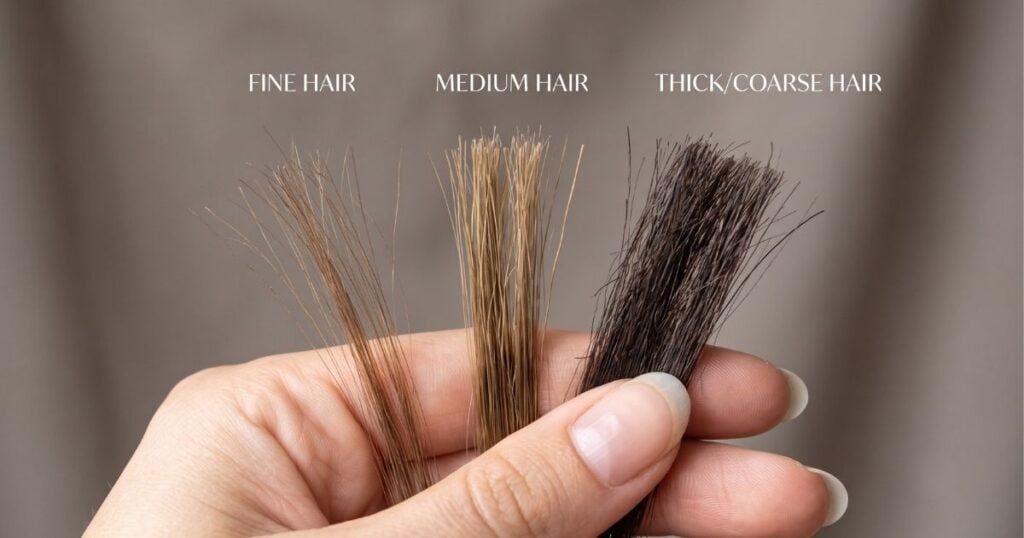
If a razor isn’t the cause, what is? Three things: genetics, hormones, and age. Your genes set your baseline, and hormones can shift the picture over time—which is why some people notice coarser or darker facial hair during puberty, pregnancy, menopause, or with conditions like PCOS. People often start shaving around the same age those hormonal shifts happen, which is part of why the myth sticks: the timing lines up, so shaving gets the blame for what hormones were doing anyway.
This is also why one thing genuinely is worth attention: a sudden increase in facial or body hair isn’t caused by shaving and is worth a conversation with your doctor, since it can point to a hormonal or medical cause. That’s a signal about your health, not your razor.
Here’s the real limitation of shaving, and it has nothing to do with thickness: because it only cuts the shaft and leaves the follicle intact, the hair is always back within a day or two. Shaving is maintenance, not removal. If you’re tired of the every-other-day routine, the only way to change the outcome is to treat the follicle itself. Electrolysis is the only method recognized for permanent hair removal—a fine probe disables each follicle so the hair doesn’t regrow at all. And because it works on the follicle rather than targeting pigment, it handles every hair color, including the fine, light hairs shaving leaves you managing forever. No follicle, no regrowth, no stubble to feel coarse in the first place.

Does shaving facial hair make it grow back faster?
If the speed of regrowth is the frustrating part, that is really a sign you want removal rather than maintenance, and a free consultation can map what permanent removal would involve for your situation.
Is it safe to shave my face as a woman?
Shaving between electrolysis sessions is completely fine and does not affect your treatment or your results. The methods to pause are tweezing and waxing on an area you are actively treating.
Why does my facial hair seem darker after shaving?
If it is specifically dark or coarse facial hair you want gone, electrolysis removes it permanently, and unlike laser it also catches the fine and light hairs mixed in. Your electrologist assesses your specific hair at the consultation.
Should I be worried about new facial hair?
We would always rather you check a sudden change with your physician first. When you are ready to address the hair itself, electrolysis works regardless of the hormonal background behind it.
Shaving won’t make your hair thicker—but it also won’t make it leave. If you’re done with the maintenance cycle, electrolysis is the permanent answer, on every hair color and skin tone. Nios Skin Lab has specialized in electrolysis since 2009 across Manhattan, Brooklyn, and Astoria.
Tired of shaving the same hair forever? Book a free consultation and let’s make it permanent.