

The Question Behind This Question Is: “Why Does This Keep Happening to Me?”
Ingrowns and razor bumps are a predictable loop: hair curls back into skin, inflammation spikes, you pick or shave again, and your skin pays twice—texture and pigment. If you’re getting bumps on the face, neck, beard line, bikini area, or anywhere you shave or wax regularly, the problem isn’t your effort or your products. It’s the follicle. You don’t need tougher exfoliation. You need a plan that respects how your hair grows, how your skin reacts, and how to permanently remove the source of the re-entry.
We Treat the Architecture, Not Just the Surface.
Razor bumps (pseudofolliculitis barbae) are caused by coarse or curly hair that, after being cut at a sharp angle or pulled by wax, curls back and re-enters the skin or follicle wall as it regrows. The body treats the trapped hair as a foreign object and responds with inflammation—bumps, redness, tenderness. Every subsequent removal pass re-triggers the cycle. Electrolysis inserts a fine, sterile probe into each individual follicle and delivers a controlled pulse of heat directly to the growth center. The follicle’s ability to regenerate is permanently shut down. No hair, no ingrown, no bump. Because electrolysis doesn’t rely on pigment, it works on the coarse, dark, curly hair types most prone to re-entry—and on every skin tone, including those where laser carries real pigmentation risk. Put down the tweezers and let us do the permanent work.

Fewer Bumps. Less Inflammation. Dark Marks That Finally Get a Chance to Fade.
Electrolysis handles the permanent work—closing the follicles that keep causing the cycle. But skin that’s been chronically inflamed from years of razor bumps also needs the surface to stabilize. Most clients treating razor bumps and ingrowns with consistent electrolysis notice two things in parallel: the new bump rate decreases as treated follicles stop producing hair, and the post-inflammatory dark marks begin to fade because the skin is no longer being repeatedly traumatized. The hyperpigmentation from chronic razor bumps isn’t permanent—it’s a response to ongoing inflammation. Once the inflammation stops, the skin has room to recover.
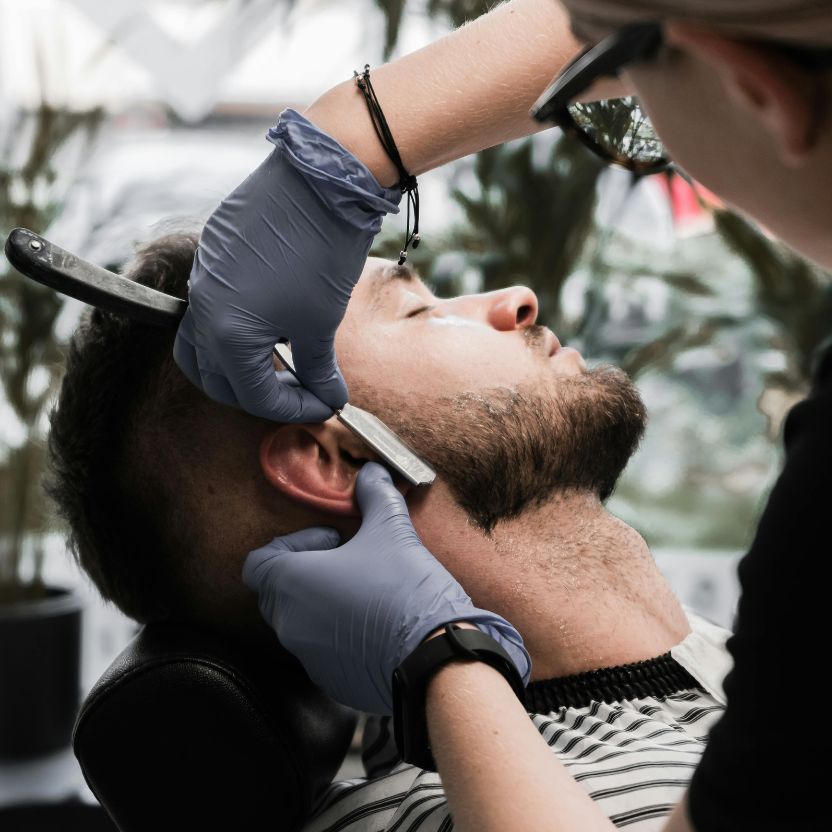
Pseudofolliculitis vs. Folliculitis: The Distinction That Changes the Treatment.
These two conditions look similar and get confused constantly. Pseudofolliculitis barbae (razor bumps) is a non-infectious, mechanical condition. Coarse or curly hair, cut blunt by a razor or pulled by wax, curls back and pierces the follicle wall or the skin surface as it regrows. The body responds with inflammation—bumps, redness, tenderness. It’s managed by changing or eliminating the hair removal method. Folliculitis is an actual infection of the hair follicle, most often bacterial, presenting as pus-filled pustules, crusting, and sometimes spreading warmth or pain. It requires antimicrobial treatment—your physician’s territory. If your bumps are warm, weeping, or spreading, that’s a medical appointment, not a spa one.

The reason this distinction matters for treatment: electrolysis is the correct permanent intervention for pseudofolliculitis. For active folliculitis, we wait for the infection to resolve before treating. For clients who experience both—chronic razor bumps that become secondarily infected from repeated trauma—we sequence: medical first, then permanent removal. If facials can help stabilize the surface between or alongside electrolysis sessions (calming inflammation, supporting the barrier), we may recommend pairing your protocol with an Express Facial or a Full Facial—your consult is where we map which combination makes sense for your pattern.
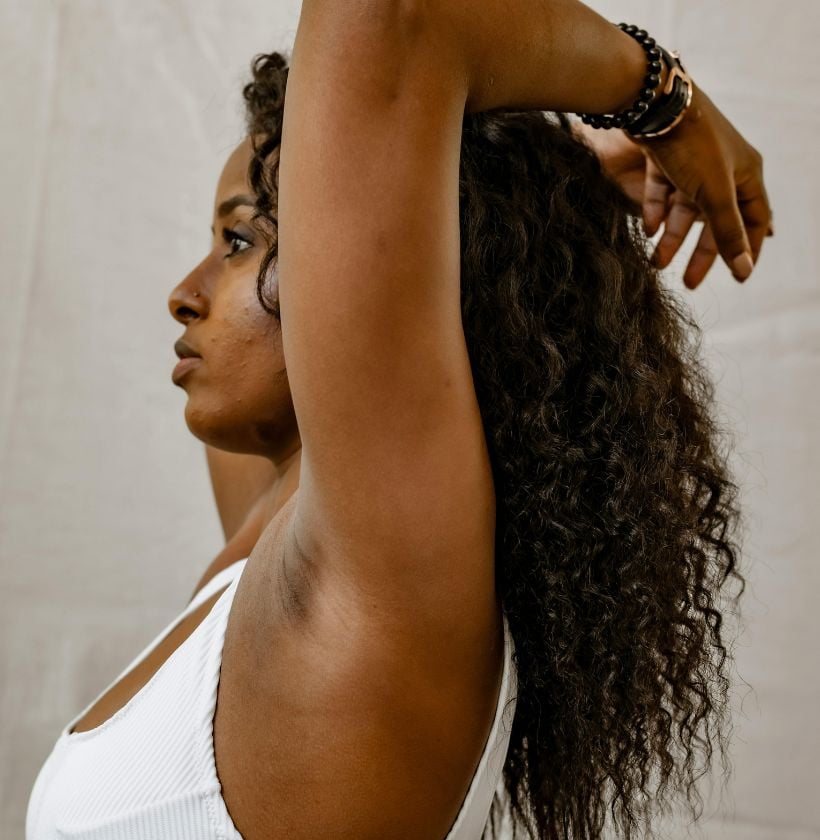
Who is Ingrown Hair Electrolysis for?
When razor bumps and ingrowns have become a permanent feature of your skin—dark marks, irritation, the cycle that never breaks—the answer is closing the follicles, not managing the symptoms.
- Have chronic razor bumps on the neck, beard line, jaw, bikini area, underarms, or legs that return with every shave or wax.
- Have post-inflammatory dark marks or hyperpigmentation from repeated ingrown cycles.
- Have coarse, curly, or tightly-coiled hair that structurally re-enters the skin after removal.
- Have tried exfoliation, creams, and technique changes without meaningful long-term improvement.
- Have dark skin and need a pigment-safe permanent solution—laser carries real risk for your skin tone in these areas
- Are managing pseudofolliculitis in the beard or neck area and want to stop the shaving cycle entirely or define a permanent outline.
- Bumps are actively infected, warm, or weeping—this is folliculitis requiring medical treatment; once the infection resolves, we start the permanent work.
- Skin in the treatment area is significantly broken or inflamed—we stabilize first, then treat; going slower protects results.
- You expect the dark marks to clear immediately alongside electrolysis—hyperpigmentation fades as inflammation stops, but at its own pace; we’ll give you a realistic skin recovery timeline at your consult.

Electrolysis vs Waxing vs Laser Hair Reduction
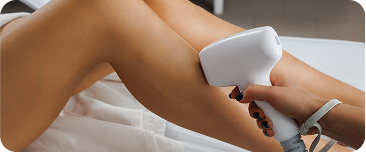
Waxing is temporary, laser is partial, electrolysis is permanent. Different tools, different results.
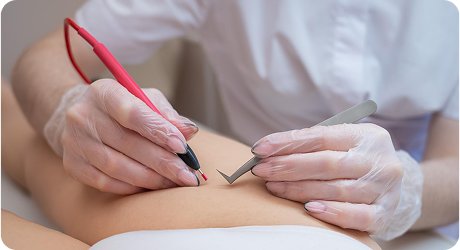
-
Perfect, individual-hair precision
-
Safe for all skin tones
-
Effective on all hair colors
-
Brief heat sensation
-
PERMANENT REMOVAL, NOT JUST REDUCTION
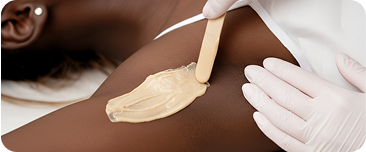
-
Approximate precision
-
All skin tones
-
All hair colors
-
Ripping sensation
-
Temporary results
-
Approximate (~½” applicator) precision
-
Struggles with dark & tan skin
-
Limited on light, gray, red, or fine hair
-
Snapping sensation
-
Permanent reduction
Electrolysis Results
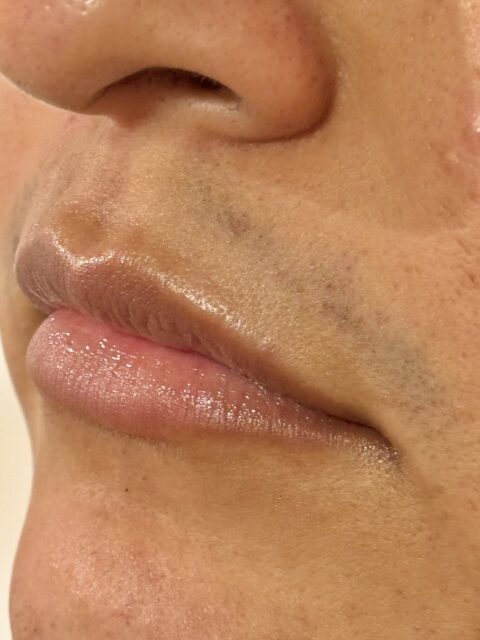
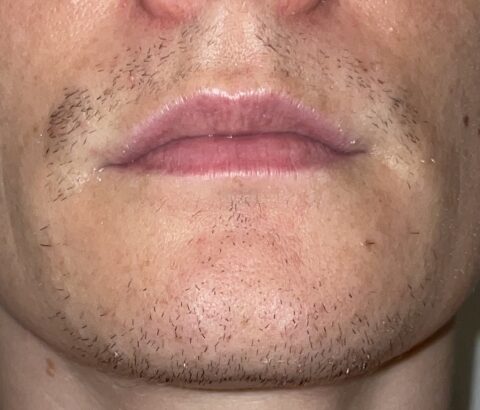
See the visible reduction achieved through consistent electrolysis treatments over multiple sessions.
Results may vary depending on hair colors, treatment area, and consistency.
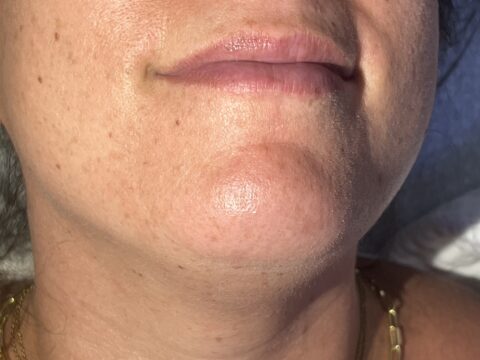 Before
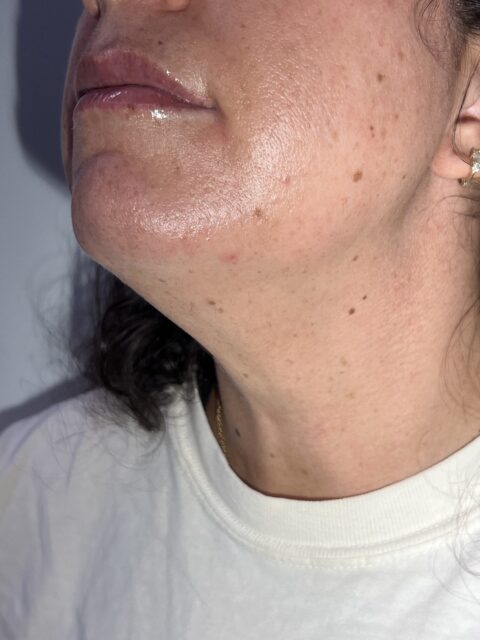 After 23 sessions
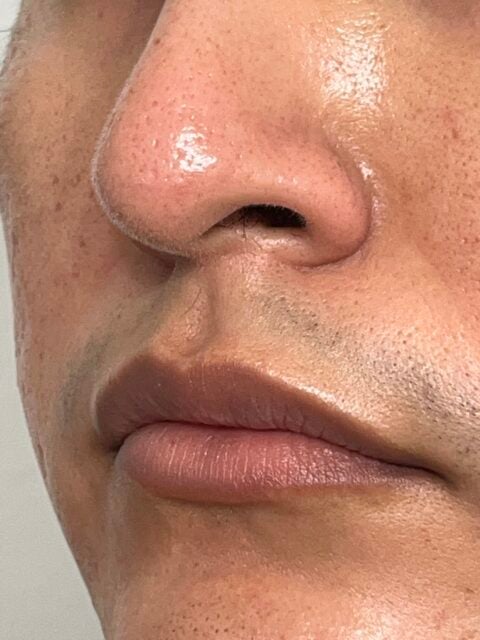 Before
 After 12 sessions
 Before
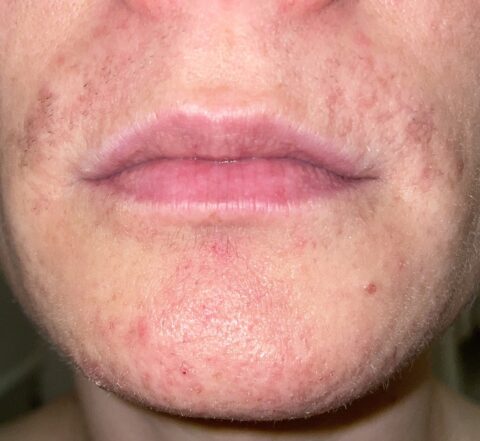 After 31 sessions
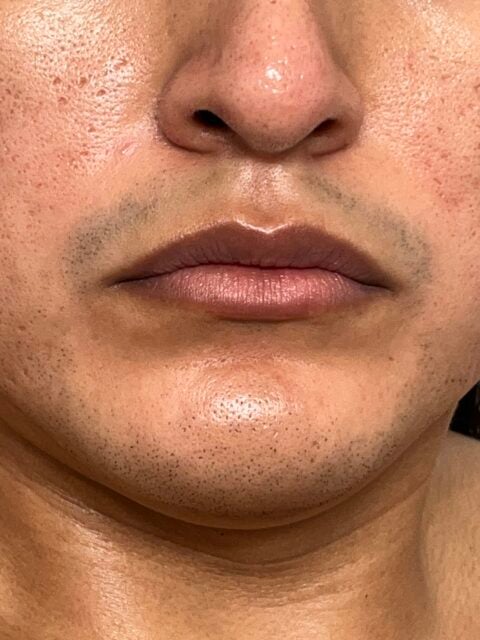 Before
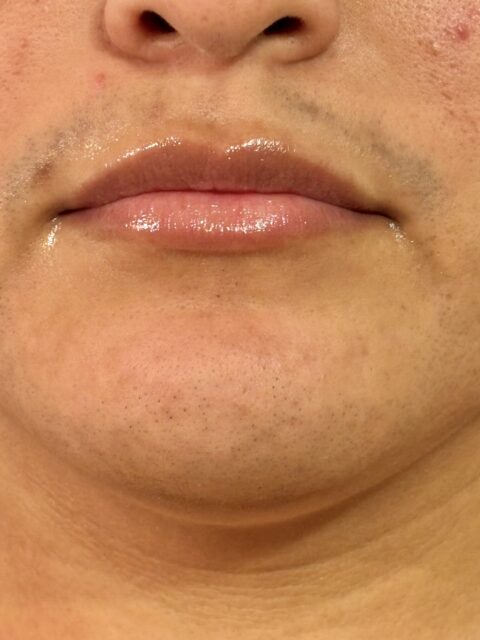 After 12 sessions
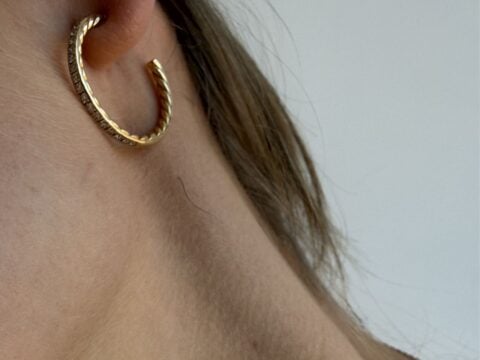 Before
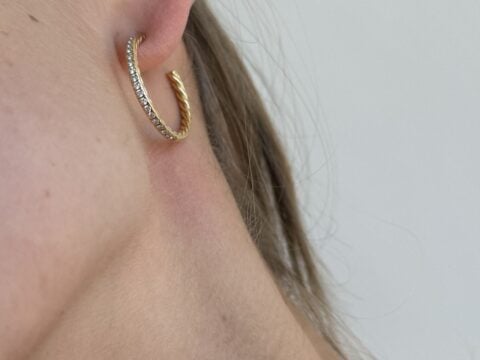 After 1 session
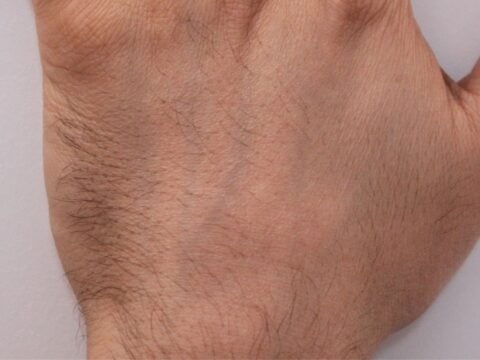 Before
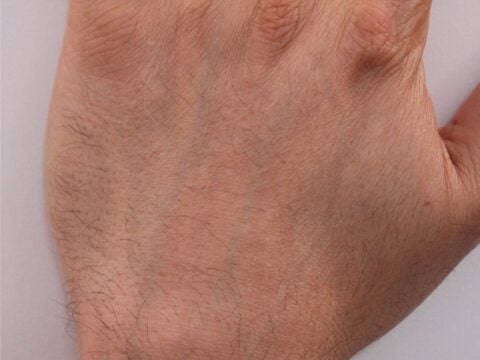 After 15 sessions
The NIOS Standard

-
M.D. Founded
Josh Gordon, M.D., earned his medical degree at NYU School of Medicine — then chose to build Nios rather than pursue a license. He leaves the treatments to the people who do them best: our licensed estheticians and trained electrologists.
-
Science,not sales
Our technicians are paid to clear your skin, not to upsell you. No quotas, no pressure—just results.
-
Clinical-Grade tech
Apilus xCell Technology. We use the fastest, most precise epilators on the market.
-
Rigorous training
Expert hands only. Hand-picked and continuously tested. We hire for precision and keep for kindness.
-
Open 7 days 9am–8pm
Locations across NYC with complimentary high-end sound healing systems. Your records sync across all of them, treat wherever is convenient.
The Team
We are a multidisciplinary team of licensed estheticians, electrologists, engineers, creatives, and more—sharing expertise across disciplines and united by a single goal: You.













































Your Questions,
Our Answers
-
Can electrolysis permanently cure razor bumps?
Electrolysis permanently eliminates the source—the hair. Pseudofolliculitis barbae occurs when coarse or curly hair re-enters the skin after removal. Electrolysis destroys each treated follicle, so there’s no hair left to ingrow. Consistent sessions across growth cycles progressively close all problematic follicles until the area is clear. In treated follicles, the bump cycle ends permanently.
Concierge Note:
Bump serums, ingrown pads, and careful razoring manage the symptom—they don’t stop the follicle from producing. Electrolysis does. Most clients find the overall density of ingrown-prone hair drops noticeably within the first few months of consistent sessions. Book a Nios consult and we’ll map which follicles are driving the problem. -
What's the difference between razor bumps and folliculitis?
Razor bumps (pseudofolliculitis barbae) are mechanical and non-infectious—coarse or curly hair piercing back into the skin after removal, triggering sterile inflammation. Folliculitis is a bacterial infection presenting with pus, crusting, and spreading warmth. They look similar but have different causes and different treatments. Electrolysis addresses pseudofolliculitis permanently. Active folliculitis requires antimicrobial treatment from a physician—we wait for it to clear before starting.
Concierge Note:
If you’re unsure which you’re dealing with, a dermatologist can distinguish them quickly. The distinction matters because treating on top of active infection isn’t something we do—and shouldn’t be done anywhere. Once you have clarity, we move fast. Most clients find the diagnostic step simpler than expected, and then the permanent work can start. -
Why doesn't laser fix ingrown hairs for everyone?
Laser is pigment-dependent—it targets melanin in the hair shaft. The ingrown hair problem disproportionately affects people with coarser, curlier hair, many of whom also have darker skin tones where laser carries real risk of burns and post-inflammatory hyperpigmentation. Laser also only reduces hair rather than removing it, and can’t treat lighter or mixed-color hairs at all. Electrolysis is follicle-based and pigment-independent—the more reliable option for the skin tones and hair types most affected.
Concierge Note:
The clients most affected by razor bumps are often the same clients laser works least well on. That’s not coincidence—it’s a structural mismatch between the technology and the population. Electrolysis doesn’t have a pigment floor or a skin tone ceiling. Nios clients across NYC who’ve tried laser for pseudofolliculitis consistently describe electrolysis as a fundamentally different result. -
Will the dark marks go away after electrolysis?
Post-inflammatory hyperpigmentation from chronic razor bumps fades as the inflammation stops—but at its own pace. Once electrolysis closes the follicles driving the ingrown cycle, the skin stops being repeatedly traumatized and discoloration has space to resolve. Most clients see meaningful improvement in skin tone alongside bump reduction over consistent months of treatment. Speed depends on skin tone, severity, and sun protection during recovery.
Concierge Note:
The marks don’t vanish overnight—but they stop being refreshed, which is the first step. For clients with significant hyperpigmentation, we may recommend pairing electrolysis with a facial to support surface recovery between sessions. We’ll map that at your consult based on what’s actually there. Treat the architecture first; the surface follows. -
Do I have to stop shaving before starting electrolysis?
No. Shaving between sessions is fine—it leaves the follicle intact and the hair present to target. Waxing and tweezing are not recommended, because they remove hair from the root and leave nothing in the follicle for the probe to reach. The goal is to keep the hair present enough to treat. Your electrologist will advise on timing and approach at your consult based on the area and your specific situation.
Concierge Note:
This is one of the most common prep questions—and the answer is simpler than most clients expect. Keep shaving. Stop plucking. Show up with the hair present and let us handle the permanent work. If your current routine feels complicated to navigate around treatment, we’ll sort it at the consult. We make the logistics boring so the results can be permanent. -
Should I exfoliate more to prevent ingrowns between sessions?
Usually, no. Over-exfoliation compromises the skin barrier and can increase ingrown frequency by leaving skin more vulnerable to irritation and hair re-entry. Gentle exfoliation has a supporting role, but the bigger lever is eliminating the hair removal method driving the problem. We tailor any exfoliation guidance to your skin’s actual tolerance and prioritize barrier support alongside the permanent removal plan.
Concierge Note:
More product is rarely the answer when the barrier is already stressed. Calm before clear applies here—stabilize the surface first, then layer in support. Most clients find that pulling back on aggressive actives between sessions actually accelerates healing. Ask your esthetician at Nios what your specific skin needs, and what to pause. -
Which areas can electrolysis treat for ingrown hairs?
Any area where you shave, wax, or experience chronic ingrowns. The most common areas treated for pseudofolliculitis are the neck and beard line—particularly for Black men and those with coarser hair textures—the bikini line and groin, underarms, and legs. Chest, back, and abdomen are also treatable. The approach is consistent regardless of area: target the follicles producing problematic hair and close them permanently.
Concierge Note:
There’s no ingrown-prone area we haven’t treated across our Manhattan, Brooklyn, and Queens locations. Scope and session estimates are mapped at your consult based on what’s actually driving the problem—not a generic area menu. If chronic ingrowns have been the reason you’ve avoided certain areas, that’s exactly the conversation the consult is built for.
Related Solutions
Many similar clients also treat
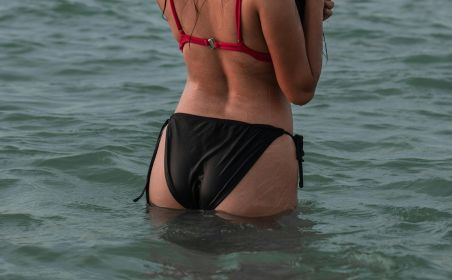
Groin bikini permanent hair removal electrolysis
Tired of the razor bumps, ingrowns, guesswork, and constant upkeep? Electrolysis might be solution for you.
Learn More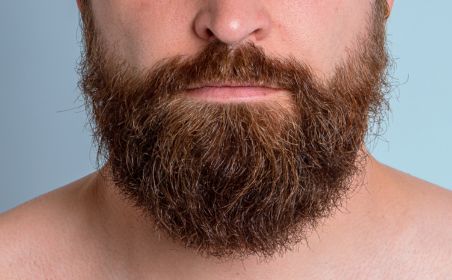
Beard Electrolysis
Permanent beard cleanup or full removal—electrolysis targets each follicle so you can stop chasing razor bumps and ingrowns.
Learn More
Pricing
Electrolysis
Pricing goes by time
Junior Technician
$0
Senior Technician
$0
All Nios electrologists receive the same rigorous training. Senior electrologists offer more years of hands-on experience.
How Much Time Do I Need?
Electrolysis is billed by time, not body part, since every client’s hair density and treatment area are different.
-
Small areas
Lip, chin, eyebrows, fingers: ~5–30 minutes
-
Medium areas
Underarms, bikini: ~30–60 minutes
-
Large areas
Legs, chest, back, etc.: 60 to 120+ minutes
The exact timing varies from person to person — for example, underarms may take 30 minutes for one client and a full hour or more for another.
The best way to know what your treatment plan will look like is to book a free consultation, where we can assess your hair in person and give you a personalized estimate.
How many sessions do I need?
Hair grows in cycles—only active follicles can be treated, so multiple sessions are required. Most clients achieve permanent results within 12–18 months: twice a month at first, then monthly as hair thins.
Book a free consultation for a personalized estimate.
Client Testimonials


