

Dark Skin Hair Removal Doesn’t Need “Gentler.” It Needs Correct.
The real risk with dark skin hair removal isn’t the hair—it’s the collateral damage. Burns, post-inflammatory hyperpigmentation, and texture changes that last longer than the hair ever did. If you’ve been through a “works for everyone” promise and paid for it in dark marks or scarring, you’re not alone. The problem isn’t your skin. It’s the method. Laser targets melanin. Dark skin is melanin-rich. The technology genuinely cannot distinguish between the pigment in your follicle and the pigment in your skin. At Nios, we treat the architecture—the follicle—which is why pigment never enters the equation.
Follicle-Based, Not Pigment-Based. That’s the Whole Difference.
Electrolysis places a fine, sterile probe into each individual follicle and delivers controlled heat directly to the growth center. The follicle loses its ability to regenerate. Because the method doesn’t involve light, doesn’t target melanin, and doesn’t interact with the skin’s pigmentation at all, it’s safe across every skin tone—including the tones that laser consistently fails or harms. No pigment roulette. No energy settings calibrated against your melanin.
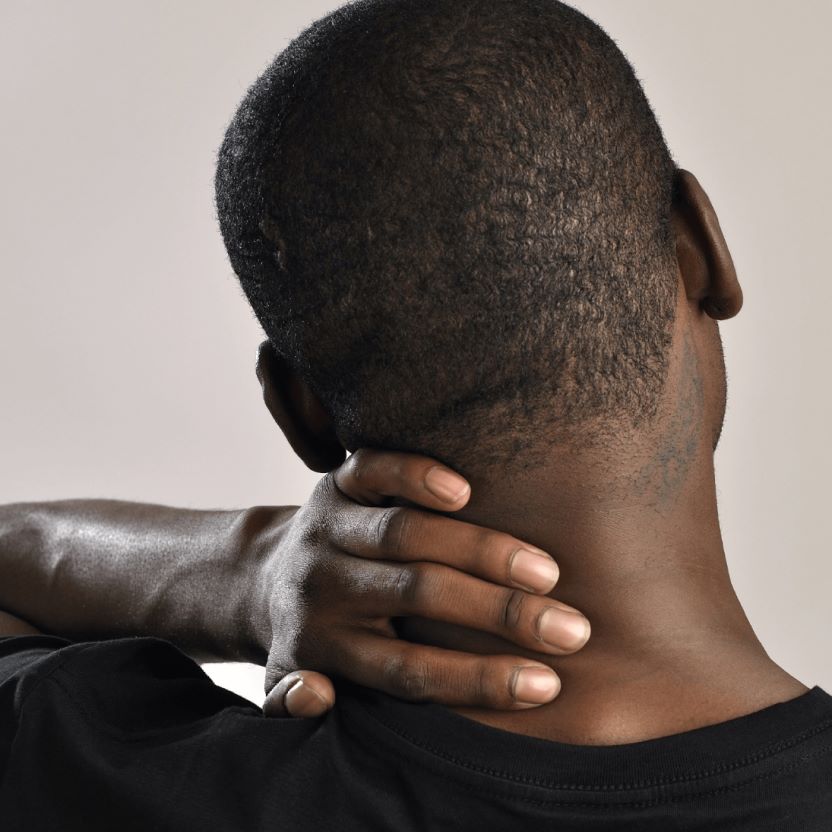
The Struggle of Dark Skin Hair Removal
Most dark-skin clients who come to Nios have already tried something else—and dealt with the aftermath: ingrowns, razor bumps, hyperpigmentation from waxing or shaving, or burns from a laser session that shouldn’t have happened. Electrolysis doesn’t trigger any of that. We keep pacing conservative—no “let’s see what you can handle” energy—and the aftercare is built to protect the barrier, not stress it. Progress compounds with consistency, not brute force. Most clients typically see meaningful reduction within the first few months, and the skin around treated areas calms as the irritation cycle stops for good.

Why “Safe-for-Dark-Skin” Lasers Still Fall Short
Even Nd:YAG and Diode lasers—marketed as the safer option for deeper skin tones—carry real trade-offs. They reduce pigmentation risk by lowering energy output, but lower energy means reduced efficacy: more sessions, less reliable clearance, and ongoing hyperpigmentation risk for clients with Fitzpatrick skin types V and VI. And critically, even at their best, these lasers only offer permanent reduction—not permanent removal. If you’ve done laser and still have the “why is this still here” hairs, electrolysis is how you finish the job. Because electrolysis bypasses pigment entirely, there’s no tension between safety and effectiveness. The protocol that’s safest for the darkest skin tone is the same one that produces permanent results.
Who is Dark Skin Hair Removal for?
When hair removal methods starts irritating dark skin more than it’s helping, electrolysis can be the smarter long-term fix, but it’s not the right move for every kind of hair or every moment.
- Have dark, tan, brown, or deep skin and want a genuinely permanent solution without pigment risk.
- Were told laser isn’t a safe option—or tried it and experienced burns, dark marks, or unsatisfying results.
- Deal with razor bumps or chronic ingrown hairs and want to eliminate the root cause, not manage the symptom.
- Want precision removal or shaping—upper lip, chin, neckline, bikini line—without post-inflammatory hyperpigmentation risk.
- Have mixed or light hair colors that laser can’t reliably treat.
- Skin is actively inflamed or broken in the treatment area—we’ll stabilize the surface first, then start.
- You’re using strong retinoids or actives and your skin is reactive—we’ll time the start of treatment so your barrier is stable going in.
- You need tomorrow-ready smoothness for an event—we’ll talk short-term grooming options and how to time sessions so your skin isn’t disrupted when it matters.
- You’re prone to post-inflammatory pigmentation—tell us at your consult.
Electrolysis vs Waxing vs Laser Hair Reduction
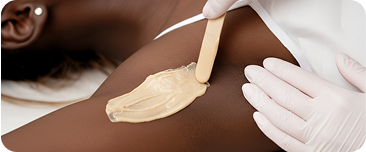
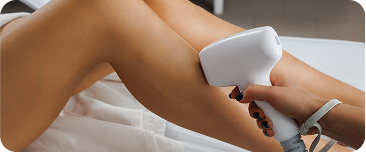
Waxing is temporary, laser is partial, electrolysis is permanent. Different tools, different results.
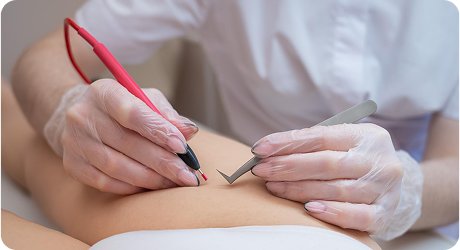
-
Perfect, individual-hair precision
-
Safe for all skin tones
-
Effective on all hair colors
-
Brief heat sensation
-
PERMANENT REMOVAL, NOT JUST REDUCTION
-
Approximate precision
-
All skin tones
-
All hair colors
-
Ripping sensation
-
Temporary results
-
Approximate (~½” applicator) precision
-
Struggles with dark & tan skin
-
Limited on light, gray, red, or fine hair
-
Snapping sensation
-
Permanent reduction
Electrolysis Results
See the visible reduction achieved through consistent electrolysis treatments over multiple sessions.
Results may vary depending on hair colors, treatment area, and consistency.
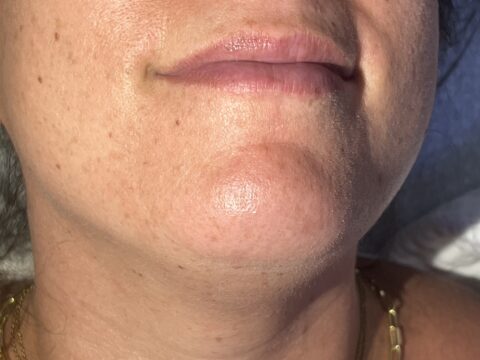 Before
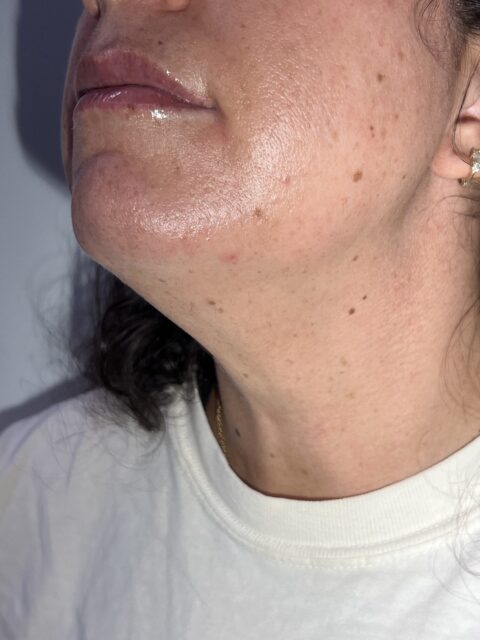 After 23 sessions
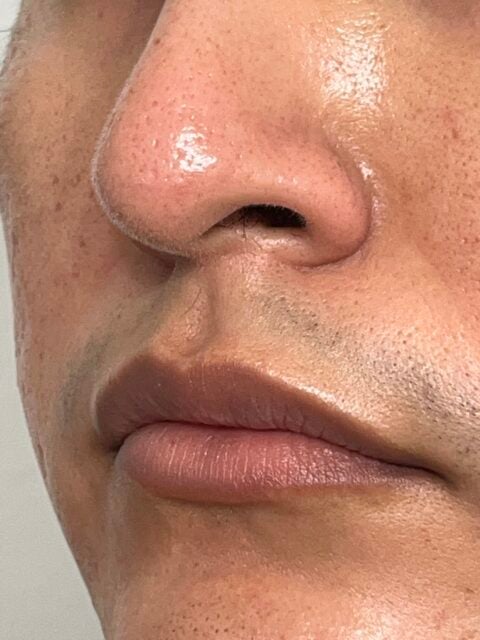 Before
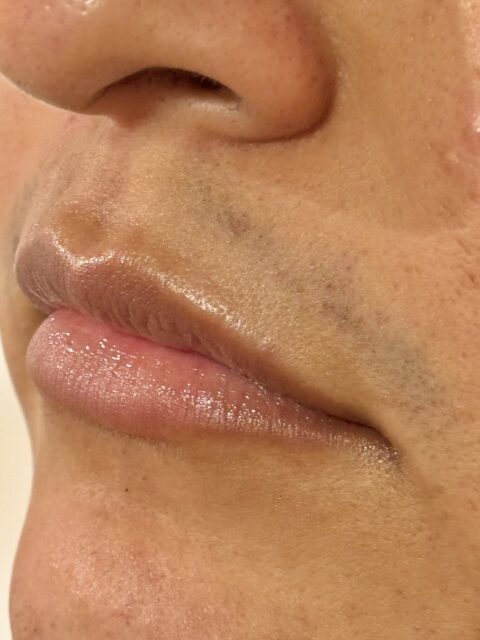 After 12 sessions
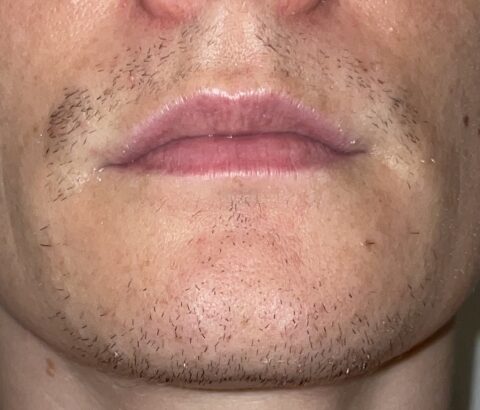 Before
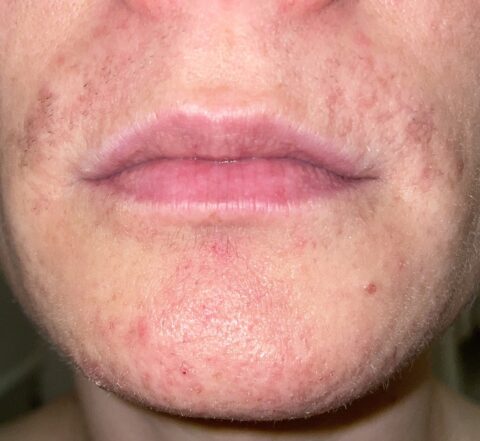 After 31 sessions
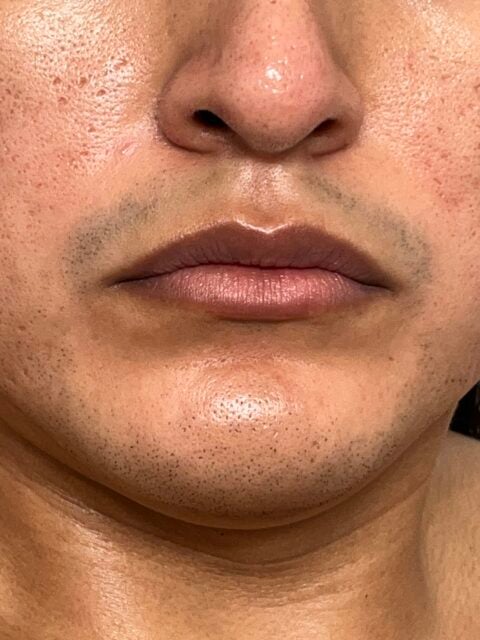 Before
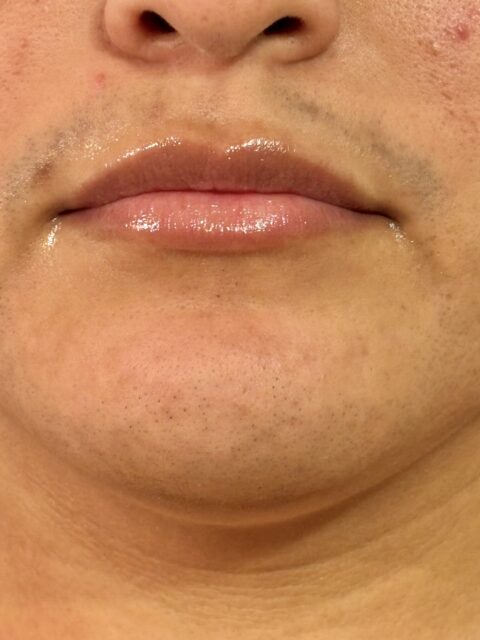 After 12 sessions
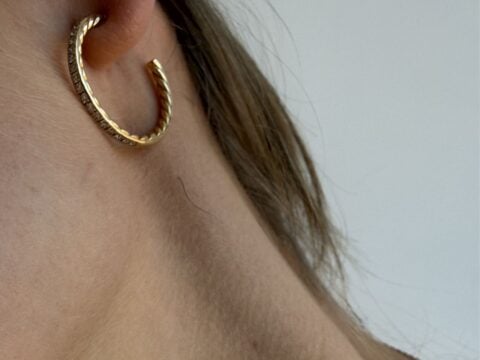 Before
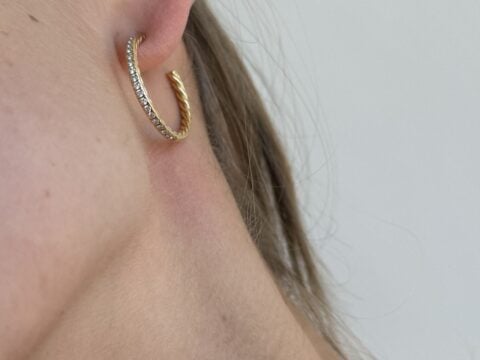 After 1 session
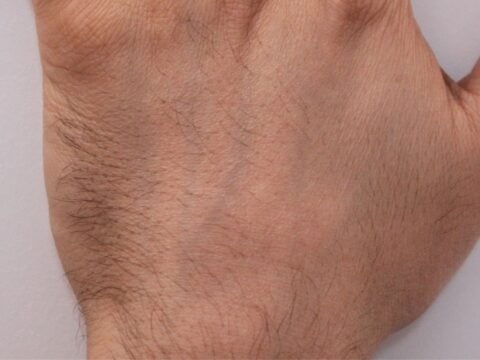 Before
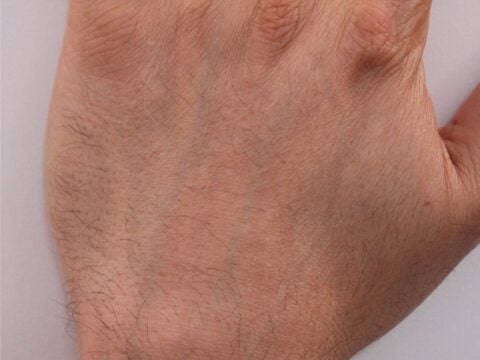 After 15 sessions
The NIOS Standard

-
M.D. Founded
Protocols designed by an M.D. We adhere to safety and hygiene standards that go beyond typical spa requirements.
-
Science,not sales
Our technicians are paid to clear your skin, not to upsell you. No quotas, no pressure—just results.
-
Clinical-Grade tech
Apilus xCell Technology. We use the fastest, most precise epilators on the market.
-
Rigorous training
Expert hands only. Hand-picked and continuously tested. We hire for precision and keep for kindness.
-
Open 7 days 9am–8pm
Locations across NYC with complimentary high-end sound healing systems. Your records sync across all of them, treat wherever is convenient.
The Team
We are a multidisciplinary team of licensed estheticians, electrologists, engineers, creatives, and more—sharing expertise across disciplines and united by a single goal: You.













































Your Questions,
Our Answers
-
Is electrolysis safe for dark or black skin?
Yes—dark skin hair removal with electrolysis is the method specifically recommended for darker skin tones because it doesn’t rely on pigment. A fine probe delivers heat directly to the follicle’s growth center; skin color is irrelevant to how it works. Safety depends on technique, pacing, and aftercare—not on Fitzpatrick type. We plan conservatively and give clear guidance before you leave.
Concierge Note:
Clients with deeper skin tones who’ve been turned away from laser—or burned by it—consistently find electrolysis a fundamentally different experience. No light, no surface interaction, no pigment dependency. -
Why doesn't laser work well on dark skin?
Laser targets melanin in the hair shaft using light energy. In darker skin, the skin itself is melanin-rich—the device can’t distinguish follicle pigment from skin pigment, creating real risk of burns, hyperpigmentation, or hypopigmentation. Even Nd:YAG and Diode lasers—marketed as safer for dark skin—reduce this risk by lowering energy, which also reduces efficacy. More sessions, less clearance, still only reduction.
Concierge Note:
Lower energy means lower risk and lower results—that’s the tradeoff laser asks darker-skin clients to accept. Electrolysis uses no light and targets no pigment, which eliminates the conflict entirely. It’s not a workaround; it’s a structurally different method. We treat the follicle, not the surface. -
Will electrolysis cause hyperpigmentation or dark marks?
Temporary redness and mild swelling at treated follicles are normal and typically resolve within hours. Hyperpigmentation risk increases when skin is overtreated, picked at, or stressed by aggressive aftercare—which is exactly why we keep the protocol measured and the post-care simple. Scarring and dark marks are consequences of poor technique, not the method itself.
Concierge Note:
If you’re prone to post-inflammatory dark marks, tell us at the consult—we build around your skin’s actual tendency, not a generic template. Most clients find that conservative pacing and clean aftercare keep the healing window short and the results clean. Test, don’t guess.
-
What about razor bumps and ingrown hairs?
Razor bumps (pseudofolliculitis barbae) and chronic ingrowns are more prevalent in clients with coarser, curlier hair textures because the curved hair shaft is more likely to re-enter the skin after cutting. Electrolysis permanently shuts down the follicle—the hair can’t regrow, so the ingrown cycle ends. It’s the only method that addresses the cause rather than managing the symptom.
Concierge Note:
This is one of the primary reasons dark-skin clients come to Nios. Creams, bump pads, and medicated razors are symptom management—they don’t stop the follicle from producing. Electrolysis does. Across Manhattan, Brooklyn, and Queens, it’s the most common “I wish I’d done this sooner” we hear. Ask your esthetician what a realistic plan looks like. -
I've had bad results from laser. How is this different?
Laser depends on pigment contrast to reach the follicle—structurally unreliable in darker skin. Electrolysis inserts a probe directly into the follicle and delivers heat at the source: no light, no surface interaction, no pigment dependency. The risk profile that makes laser unsuitable for your skin tone simply doesn’t apply here. Clients who’ve experienced burns or dark marks consistently describe electrolysis as a different experience entirely.
Concierge Note:
If laser left ghost hairs—patchy regrowth it couldn’t finish—electrolysis is how you close the job. Laser gets you part of the way; Nios electrolysis finishes it. Bad prior results aren’t a reason to stop; they’re a reason to switch methods. Book a consult and bring your treatment history. We’ll assess what’s left. -
What should I do before my first appointment?
Stop plucking or waxing the treatment area before your session—the hair must be present in the follicle to be targeted. Shaving is fine. If you’re using strong exfoliants or retinoids and the skin is reactive, flag it at the consult so we can time the start around a stable barrier. Come with clean, product-free skin in the target area.
Concierge Note:
The prep list is short: stop plucking, let it grow, show up clean. If you’ve had prior laser work, mention it—we’ll assess what’s been treated and what needs finishing. If the timing feels complicated, we’ll sort it at the consult. We make the logistics boring so the results can be permanent. -
How many sessions will I need?
Session count depends on area size, hair density, and texture. Coarser hair—common in darker skin tones—can require slightly more passes per follicle, but the method works equally well regardless of texture or pigment. Hair grows in cycles, so consistent sessions produce compounding results over time. A realistic timeline comes from your consult, not a generic number.
Concierge Note:
Consistency is the variable most clients underestimate. Skin responds to rhythm—show up on cadence and the results compound. Most clients find the commitment more manageable once they see the actual map. That’s what the consult is for. We’d rather give you an honest scope than an optimistic number that falls apart by session three.
Related Solutions
Many similar clients also treat

Light hair: white/grey/blonde
White, gray, blonde, red, fine—if other methods left it behind, we finish the job. Electrolysis doesn’t need pigment. It targets the follicle directly.
Learn More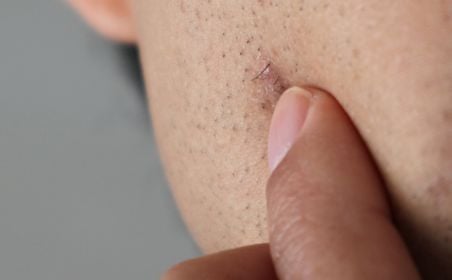
Ingrown hair razor bumps pseudofolliculitis removal
Razor bumps aren’t random—they’re a system. Electrolysis ends the cycle at the source.
Learn More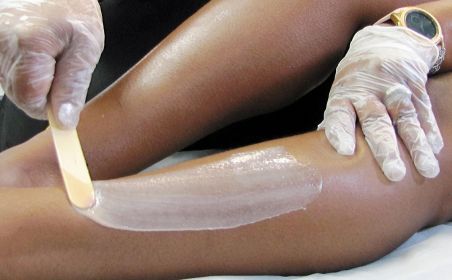
Sugaring waxing vs electrolysis
If you’re tired of paying for smooth skin that expires in two weeks, you’re not high maintenance.
Learn MorePricing
Electrolysis
Pricing goes by time
Junior Technician
$0
Senior Technician
$0
All Nios electrologists receive the same rigorous training. Senior electrologists offer more years of hands-on experience.
How Much Time Do I Need?
Electrolysis is billed by time, not body part, since every client’s hair density and treatment area are different.
-
Small areas
Lip, chin, eyebrows, fingers: ~5–30 minutes
-
Medium areas
Underarms, bikini: ~30–60 minutes
-
Large areas
Legs, chest, back, etc.: 60 to 120+ minutes
The exact timing varies from person to person — for example, underarms may take 30 minutes for one client and a full hour or more for another.
The best way to know what your treatment plan will look like is to book a free consultation, where we can assess your hair in person and give you a personalized estimate.
How many sessions do I need?
Hair grows in cycles—only active follicles can be treated, so multiple sessions are required. Most clients achieve permanent results within 12–18 months: twice a month at first, then monthly as hair thins.
Book a free consultation for a personalized estimate.
Client Testimonials


