

This Isn’t About “Hair.” It’s About the Baseline.
Chest hair becomes a problem when you’re stuck in extremes: shave and deal with stubble, itch, and bumps, or don’t shave and feel like you have no control over how it reads. Waxing buys time, then charges interest—regrowth, ingrowns, irritation, repeat. None of these have an exit strategy. Nios builds chest protocols for people who want a stable outcome: clean, shaped, or simply less dense, without the constant reset. That’s follicle-level work—one hair at a time—repeated until the factory shuts down permanently.
Follicle-Based. Works on Whatever Your Chest Hair Is.
Electrolysis inserts a fine, sterile probe into each individual follicle and delivers a controlled pulse of heat directly to the growth center. The follicle’s ability to regenerate is permanently destroyed, and the hair releases. Because the method targets the follicle mechanically rather than relying on pigment contrast, it works on every hair type the chest can produce: dense, coarse dark growth across the pectoral area; finer, lighter scattered hairs; mixed textures in the same zone; grey or red hairs that laser can’t reliably address. All skin tones, no differential risk.

Common chest goals we build protocols around:
- Full chest clearance (pectoral area, sternum, upper abdomen)
- Density reduction that still reads like “you”—lower maintenance, not removal
- Precise shaping along the collarbone or sternum
- Patch correction after laser—closing what reduction left behind
- Chest-to-stomach blending for a cleaner, more even transition
- Chest as part of a broader body protocol (back, shoulders, stomach)

One Session Is an Event. A Routine Is a Strategy.
The chest is a larger area with variable density, which means results come from cadence. Hair grows in cycles, and electrolysis catches follicles most efficiently when sessions are consistent. Most clients typically see steady reduction with regular appointments, then finish remaining hairs as cycles come through. Think of it like compound interest—repeatable sessions beat catch-up marathons. Either goal—full clearance or meaningful reduction—accumulates the same way: quietly, consistently, until the maintenance loop is gone.
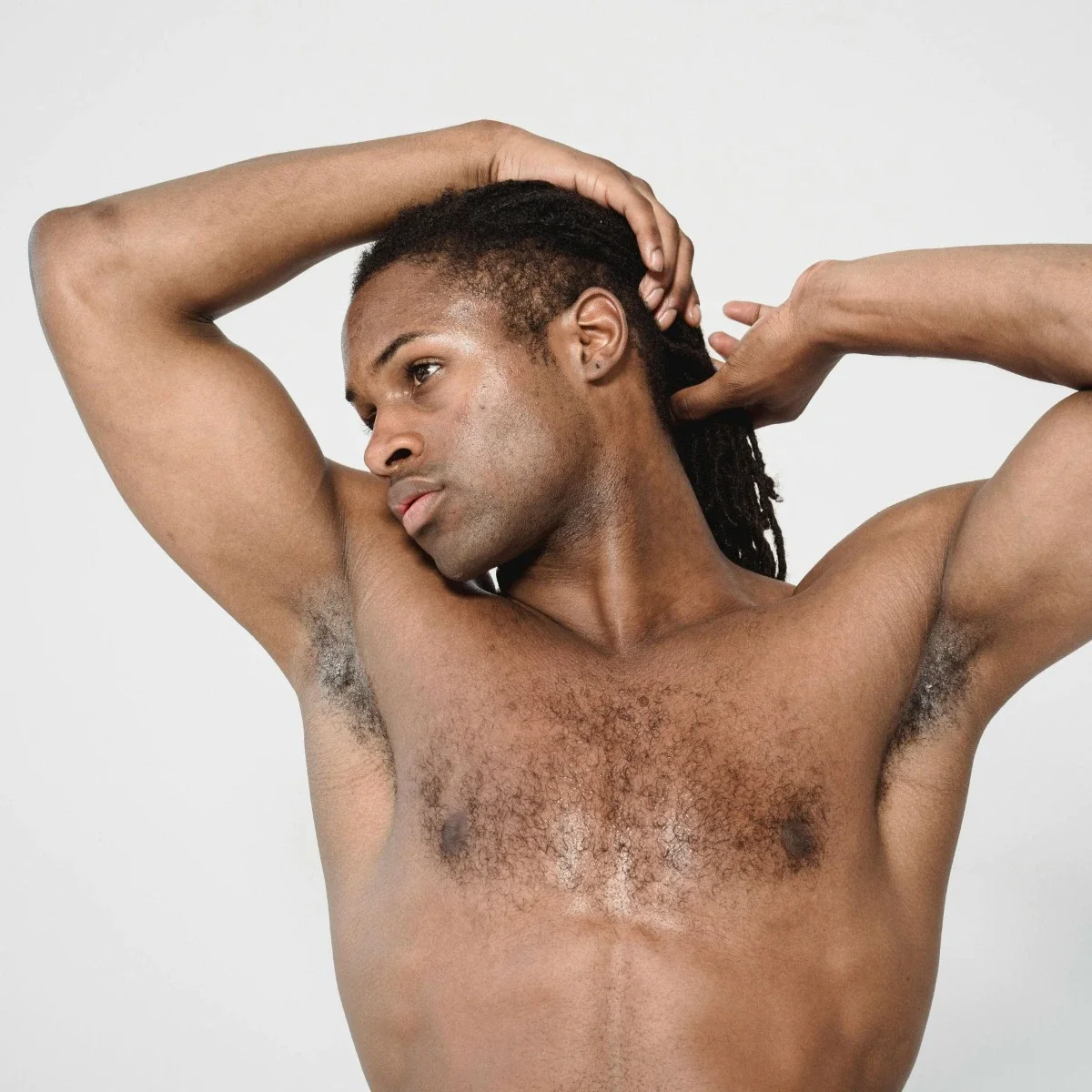
Who is an Eyebrow Electrolysis for?
A clean chest, a controlled outline, or less density without the itchy regrowth—here is who qualifies for an exit strategy and when to hold off for now.
- Have been shaving, trimming, or waxing your chest on a recurring cycle and want it to actually stop.
- Get razor burn, ingrown hairs, or folliculitis from repeated shaving on the chest.
- Want full clearance—a clean, smooth surface that stays that way.
- Want meaningful density reduction without full removal—a lower-maintenance baseline that still looks natural.
- Have mixed-color or lighter chest hair where laser has been recommended against or produced incomplete results.
- Have darker skin and need a permanent option without laser’s pigmentation risk.
- Skin is actively broken out, irritated, or infected in the treatment area—we stabilize first, then treat.
- You’re not sure how much you want removed—we start conservative and refine; the consult maps this before any session starts.

Electrolysis vs Waxing vs Laser Hair Reduction
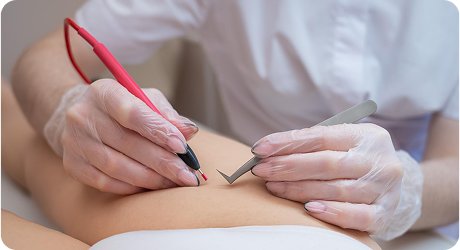
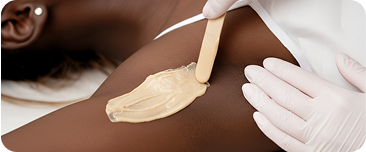
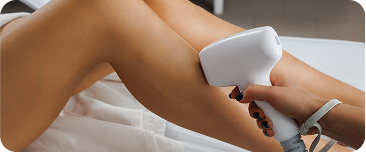
Waxing is temporary, laser is partial, electrolysis is permanent. Different tools, different results.
-
Perfect, individual-hair precision
-
Safe for all skin tones
-
Effective on all hair colors
-
Brief heat sensation
-
PERMANENT REMOVAL, NOT JUST REDUCTION
-
Approximate precision
-
All skin tones
-
All hair colors
-
Ripping sensation
-
Temporary results
-
Approximate (~½” applicator) precision
-
Struggles with dark & tan skin
-
Limited on light, gray, red, or fine hair
-
Snapping sensation
-
Permanent reduction
Electrolysis Results
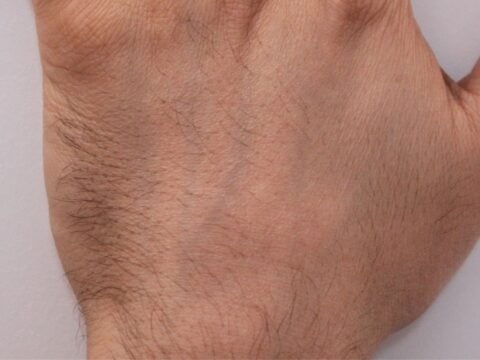
See the visible reduction achieved through consistent electrolysis treatments over multiple sessions.
Results may vary depending on hair colors, treatment area, and consistency.
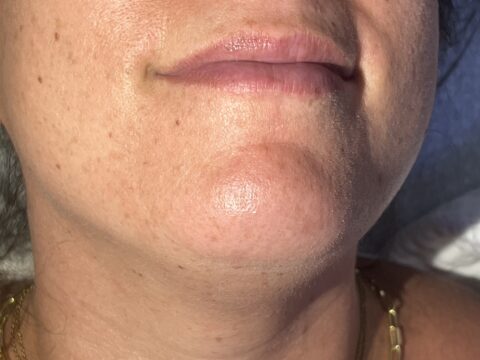 Before
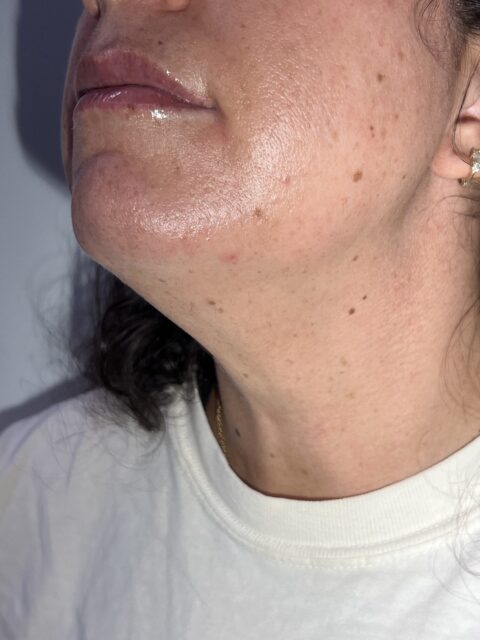 After 23 sessions
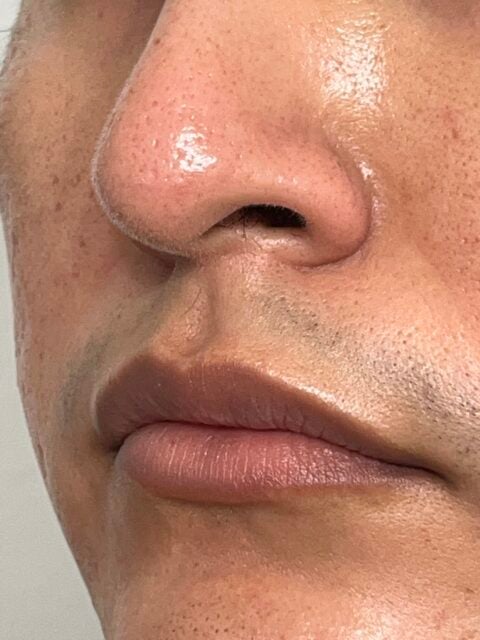 Before
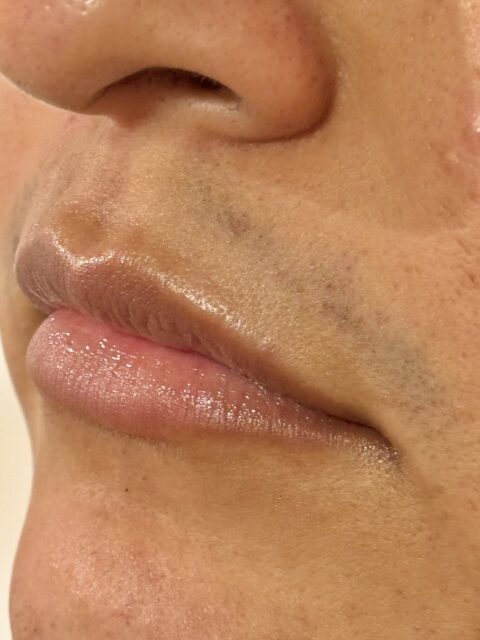 After 12 sessions
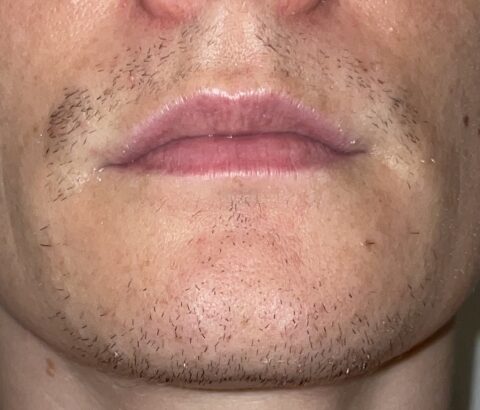 Before
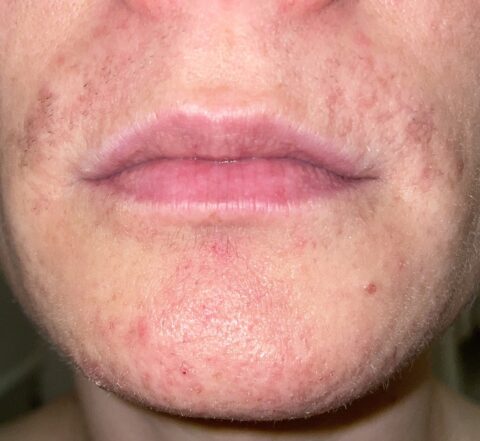 After 31 sessions
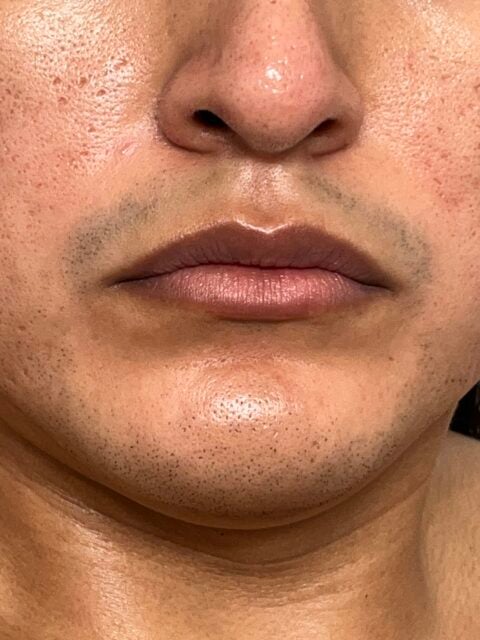 Before
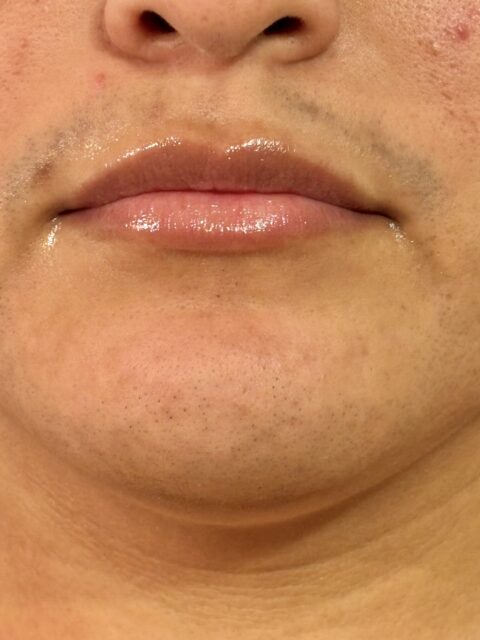 After 12 sessions
 Before
 After 1 session
 Before
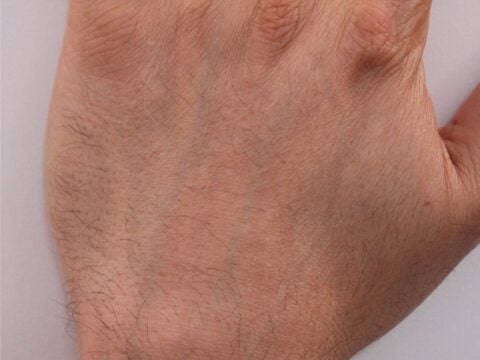 After 15 sessions
The NIOS Standard

-
M.D. Founded
Josh Gordon, M.D., earned his medical degree at NYU School of Medicine — then chose to build Nios rather than pursue a license. He leaves the treatments to the people who do them best: our licensed estheticians and trained electrologists.
-
Science,not sales
Our technicians are paid to clear your skin, not to upsell you. No quotas, no pressure—just results.
-
Clinical-Grade tech
Apilus xCell Technology. We use the fastest, most precise epilators on the market.
-
Rigorous training
Expert hands only. Hand-picked and continuously tested. We hire for precision and keep for kindness.
-
Open 7 days 9am–8pm
Locations across NYC with complimentary high-end sound healing systems. Your records sync across all of them, treat wherever is convenient.
The Team
We are a multidisciplinary team of licensed estheticians, electrologists, engineers, creatives, and more—sharing expertise across disciplines and united by a single goal: You.













































Your Questions,
Our Answers
-
How many sessions does chest electrolysis take?
Session count depends on density, coverage area, and goal. Full clearance requires more sessions than targeted reduction, and a full chest protocol is a longer commitment than a facial zone. Hair grows in cycles, so consistent sessions catch follicles at the right growth phase—cadence matters more than volume. Realistic estimates come from your consult, based on density, texture, area size, and specific goal. If you’re treating chest alongside stomach, back, or shoulders, we’ll map sequencing so the protocol is efficient rather than open-ended.
Concierge Note:
Scope is the variable that changes the math most. Full clearance is a different conversation than density reduction—in time, cost, and session count. Most clients find starting with a defined goal delivers faster visible return and makes the broader protocol feel real rather than abstract. Book a Nios consult and we’ll give you an honest estimate based on what’s actually there. -
Is laser or electrolysis better for chest hair?
For clients with dense, uniformly dark chest hair on lighter skin, laser debulking followed by electrolysis to close what remains can be more time- and cost-efficient than electrolysis alone. For clients with mixed-color or lighter chest hair, darker skin, or anyone who’s already done laser and still has persistent growth, electrolysis directly is the right call. Laser can’t reliably treat light or mixed chest hair regardless of session count. The “why is this still here” hairs are exactly what electrolysis is built to permanently close.
Concierge Note:
We’ll tell you honestly at the consult which profile fits you—combination approach or straight to electrolysis. Our goal is the most efficient path to permanent removal, not the most sessions. Laser gets you part of the way; Nios electrolysis finishes the job. Most clients find the direct answer more useful than a two-phase plan they don’t actually need. -
Can you reduce chest hair without removing it all?
Yes—density reduction is a common and legitimate goal. We can thin the area, clean up specific zones, shape along the collarbone or sternum, or create a lower-density result that reads natural rather than removed. Full clearance and meaningful reduction are both real outcomes; they differ in session count and scope, not in method. The key is starting conservative and refining as the result reads in real life—not just under treatment-room lighting.
Concierge Note:
Most clients come in thinking the choice is all or nothing. It isn’t. Electrolysis works follicle by follicle, which means the outcome is exactly as specific as the goal. If you want less without gone, we build the protocol around that. Ask your esthetician at your consult what a controlled reduction actually looks like for your specific density and distribution. -
Does shaving or waxing make chest hair grow back thicker?
No—this is a persistent myth. Hair shaft diameter and texture are determined by the follicle, not by how often surface hair is removed. Shaving cuts the hair at a blunt angle, producing a blunt tip as it grows back—which feels stubbly and reads denser than naturally tapered growth. The underlying follicle and the hair it produces are unchanged. Electrolysis is what actually changes the follicle: by permanently closing it, which is the only way to genuinely affect the growth pattern rather than just the surface appearance.
Concierge Note:
If years of shaving have convinced you the hair is getting worse, the follicle disagrees. What’s changed is the tip geometry, not the growth. The fear is understandable but misplaced—it belongs to the razor, not the follicle. Electrolysis treats the architecture; everything else is surface management. That’s the actual distinction between a temporary method and a permanent one. -
Will I get bumps or redness after treatment?
At first, the treated area often looks like it has small mosquito bites. That’s normal. Most people look back to normal within a few days; for some it takes a week or two, and tiny scabs occasionally form. The chest is a friction zone—clothing, sweat, workouts—so the first recovery window requires basic aftercare: keep it clean, avoid tight fabrics, skip intense workouts for the first day, and don’t pick. Normal recovery stays normal when those basics are followed. Friction and picking are what turn a standard post-treatment response into a prolonged one.
Concierge Note:
The aftercare list is short and the recovery window is brief—most clients return to their regular routine the same day. What extends it is almost always avoidable: tight shirts too soon, a workout that shouldn’t have happened, hands that couldn’t stay off. We’ll give you specific post-session guidance across our Manhattan, Brooklyn, and Queens locations before you leave. Calm before clear applies here too. -
What should I do before my first chest electrolysis appointment?
Stop waxing or tweezing before your session—the probe needs hair present in the follicle to target. Shaving is fine and typically preferred, with a few days of regrowth to guide treatment. If you’ve been waxing consistently, book the consult anyway and we’ll time the transition so you’re not waiting longer than necessary. If you use strong exfoliants and your skin tends to be reactive, flag it—we’ll time sessions around barrier stability so the surface is calm before we start.
Concierge Note:
The prep list is short: stop plucking, keep shaving, show up clean. If your current routine feels complicated to navigate around treatment, we’ll sort the timing at the consult. Most clients find the logistics simpler than expected once the protocol is mapped. We make the boring part boring so the results can be permanent. -
Can I treat chest and stomach together as one protocol?
Yes—and it’s a common and efficient approach. Chest and stomach are contiguous zones that many clients treat as a connected body protocol. We blend the treatment areas for a natural result along the lower chest and upper abdomen transition. If back or shoulder treatment is also on the list, we incorporate everything into one coherent phased plan. We map the full scope at your consult so the protocol is efficient rather than piecemeal.
Concierge Note:
Treating adjacent zones together typically compresses the overall timeline and reduces the number of standalone sessions needed. Most clients find the connected protocol more motivating once the full picture is mapped—progress reads across the whole area, not just one zone at a time. Book a Nios consult and we’ll build the full-body plan around your specific goals and schedule.
Related Solutions
Many similar clients also treat
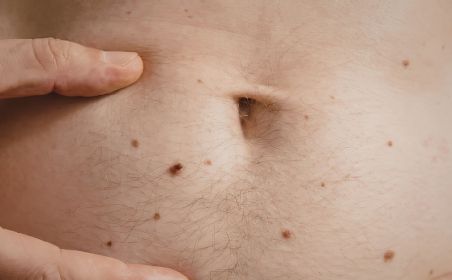
Stomach hair removal
Unwanted stomach hair can be frustrating to manage with shaving, waxing, or laser. Electrolysis can be a solution.
Learn More

Back shoulder permanent hair removal electrolysis
When back and shoulder hair is stubborn, patchy, or impossible to manage, the right treatment can change everything.
Learn MorePricing
Electrolysis
Pricing goes by time
Junior Technician
$0
Senior Technician
$0
All Nios electrologists receive the same rigorous training. Senior electrologists offer more years of hands-on experience.
How Much Time Do I Need?
Electrolysis is billed by time, not body part, since every client’s hair density and treatment area are different.
-
Small areas
Lip, chin, eyebrows, fingers: ~5–30 minutes
-
Medium areas
Underarms, bikini: ~30–60 minutes
-
Large areas
Legs, chest, back, etc.: 60 to 120+ minutes
The exact timing varies from person to person — for example, underarms may take 30 minutes for one client and a full hour or more for another.
The best way to know what your treatment plan will look like is to book a free consultation, where we can assess your hair in person and give you a personalized estimate.
How many sessions do I need?
Hair grows in cycles—only active follicles can be treated, so multiple sessions are required. Most clients achieve permanent results within 12–18 months: twice a month at first, then monthly as hair thins.
Book a free consultation for a personalized estimate.
Client Testimonials


