

The Question Behind This Question Is: “Is It Safe to Touch This?”
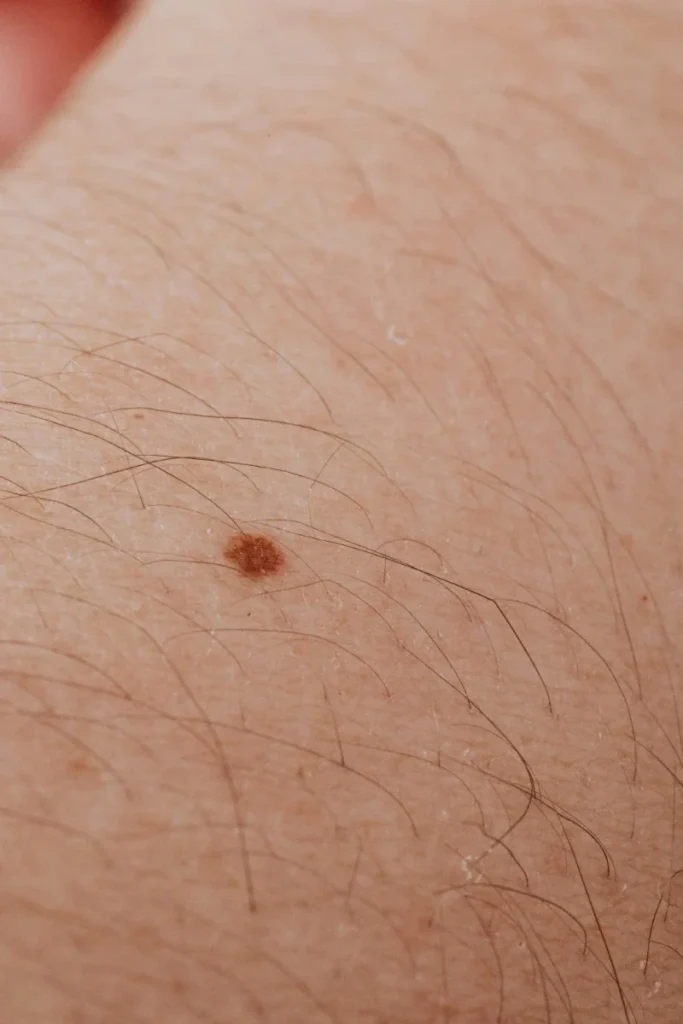
Mole hair triggers two kinds of anxiety at once—cosmetic and medical. You want the hair gone, but you don’t want to irritate the mole, scar the area, or do something you’ll regret. Plucking feels like the obvious answer until you’re doing it every few weeks, the follicle is inflamed, and you’re not sure if you’re making the mole worse. No blanket methods, no aggressive pulling. Nios treats the follicle—with precision built for exactly this situation.
We’re Not Treating the Mole. We’re Treating the Hair.
Moles are clusters of melanin-producing cells (melanocytes). Laser targets melanin—which is exactly why it can’t be used here. The technology can’t distinguish between follicle pigment and mole tissue, which creates a real risk of burns or hyperpigmentation. Electrolysis works entirely differently: a fine, sterile probe enters the individual follicle and delivers controlled heat directly to the growth center, shutting it down without touching mole tissue at all. Hair by hair. Follicle by follicle. That’s the point.

Calm Before Clear—Then Clear Stays Clear.
Most clients come in stuck in a loop: pluck, swell, discolor, repeat. Plucking inflames the follicle and the hair comes back angrier. With consistent electrolysis, you stop feeding that cycle. The outcome isn’t a dramatic makeover—it’s a baseline shift. Less irritation, less “I need to check it again,” more normal skin behavior around the area. The mole stays exactly as it was. The hair doesn’t come back.

One Step Before We Start: Dermatologist Clearance.
Before treating any mole, Nios requires written clearance from a dermatologist confirming the mole has been evaluated and melanoma ruled out. This isn’t bureaucratic friction—it’s the right protocol. Moles with changing shape, irregular borders, color variation, or any bleeding warrant a physician’s evaluation before any procedure near the area. We can observe what we see in the room and flag what looks worth attention, but assessment is a dermatologist’s role, not ours. Once you have clearance, the process is direct: we map the follicles, confirm the approach, and begin. Most mole treatment areas involve only a few hairs, which keeps sessions short and targeted.

Who is Mole Electrolysis for?
Ready to stop the endless cycle of plucking? Here is when mole electrolysis is the right move for you and when it’s better to wait.
- Have one or a few persistent, coarse, or dark hairs growing from a mole you’re done managing.
- Keep plucking and the hair keeps returning—thicker, faster, with more irritation around it.
- Were told laser isn’t an option for mole hair and want to know what is.
- Have already had the mole evaluated by a dermatologist, or are ready to do so before starting.
- Want a precise, targeted solution that leaves the mole itself completely undisturbed.
- The mole is changing in shape, color, border, or behavior, or is bleeding—see a dermatologist first; this isn’t gatekeeping, it’s timing, and we’ll be ready when you have the all-clear.
- Skin is actively irritated or broken around the mole—we’ll pause and let the surface settle before starting.
- You’re prone to post-inflammatory pigmentation or scarring—we’ll work conservatively and may recommend pairing your plan with LED therapy or a Calming Facial to keep the surface stable between sessions.
Electrolysis vs Waxing vs Laser Hair Reduction
Waxing is temporary, laser is partial, electrolysis is permanent. Different tools, different results.
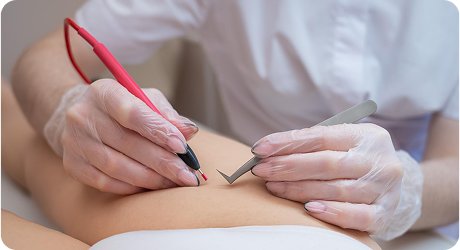
-
Perfect, individual-hair precision
-
Safe for all skin tones
-
Effective on all hair colors
-
Brief heat sensation
-
PERMANENT REMOVAL, NOT JUST REDUCTION
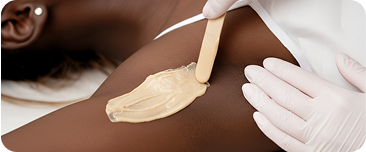
-
Approximate precision
-
All skin tones
-
All hair colors
-
Ripping sensation
-
Temporary results
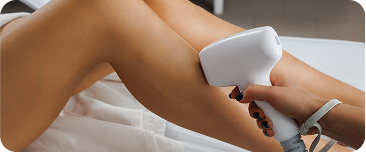
-
Approximate (~½” applicator) precision
-
Struggles with dark & tan skin
-
Limited on light, gray, red, or fine hair
-
Snapping sensation
-
Permanent reduction
Electrolysis Results
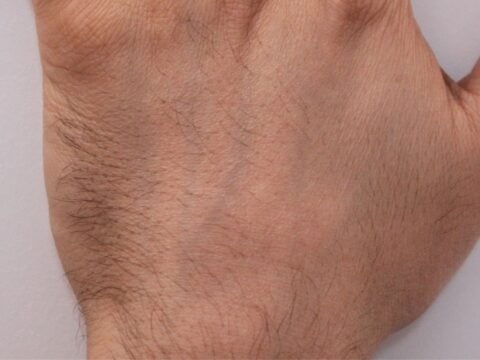
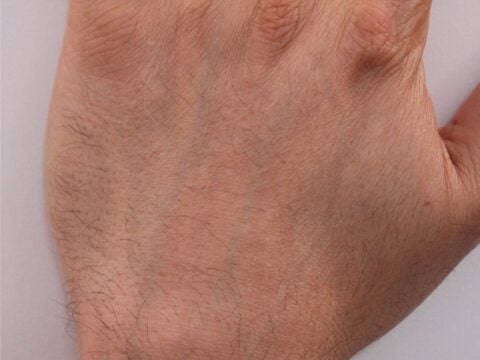
See the visible reduction achieved through consistent electrolysis treatments over multiple sessions.
Results may vary depending on hair colors, treatment area, and consistency.
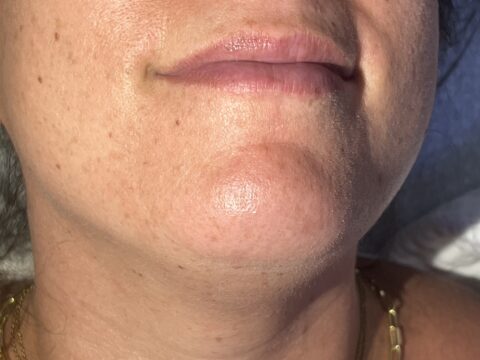 Before
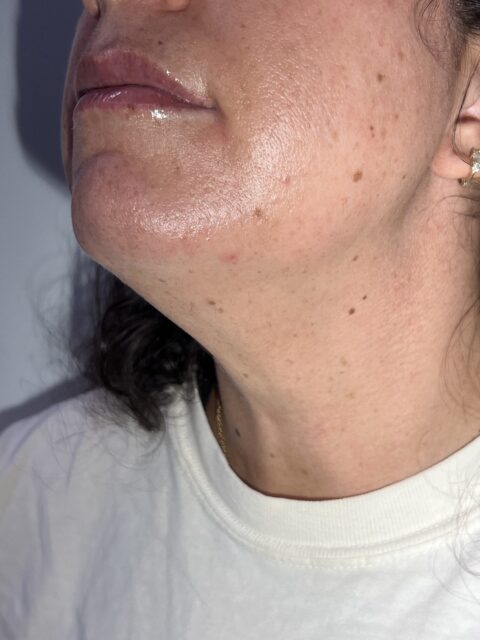 After 23 sessions
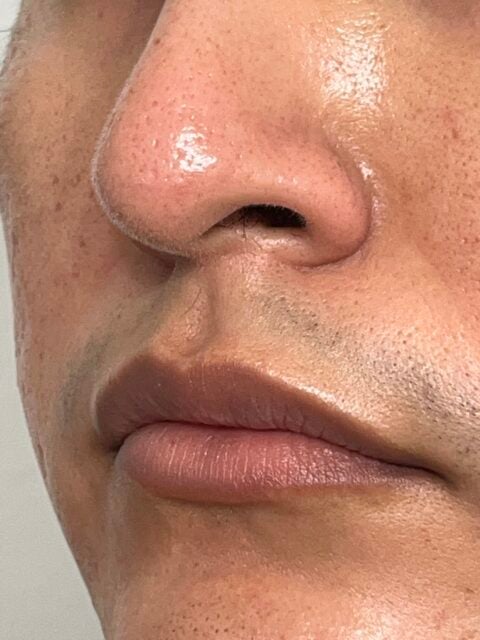 Before
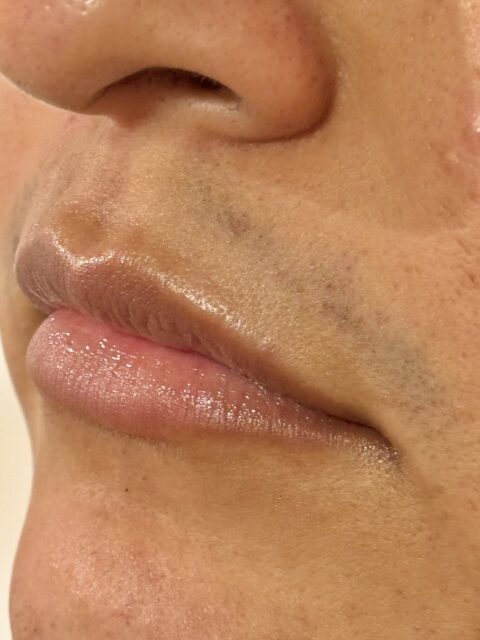 After 12 sessions
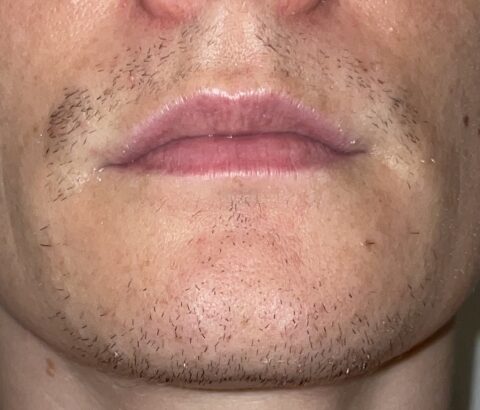 Before
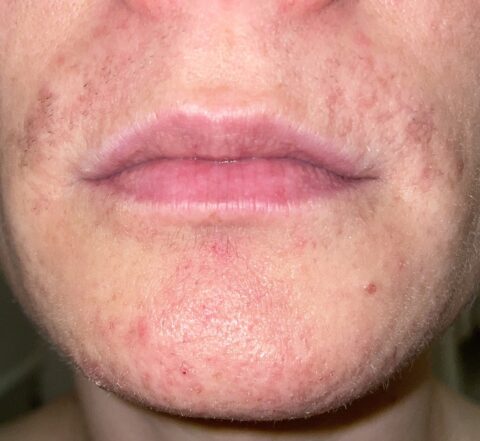 After 31 sessions
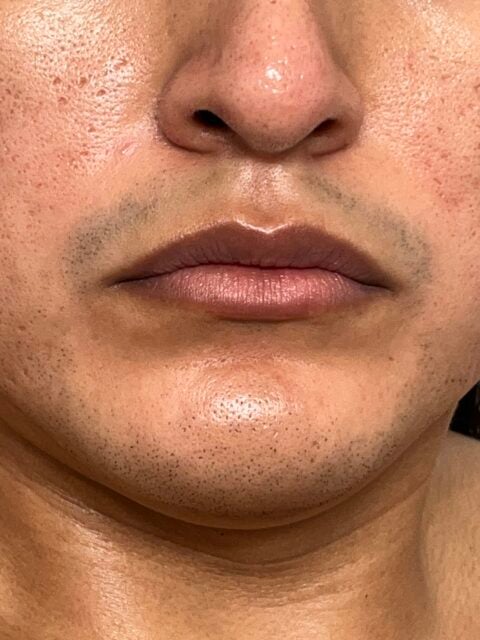 Before
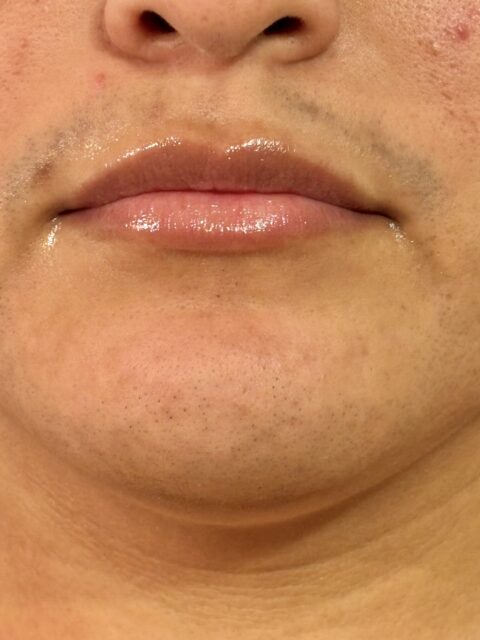 After 12 sessions
 Before
 After 1 session
 Before
 After 15 sessions
The NIOS Standard

-
M.D. Founded
Protocols designed by an M.D. We adhere to safety and hygiene standards that go beyond typical spa requirements.
-
Science,not sales
Our technicians are paid to clear your skin, not to upsell you. No quotas, no pressure—just results.
-
Clinical-Grade tech
Apilus xCell Technology. We use the fastest, most precise epilators on the market.
-
Rigorous training
Expert hands only. Hand-picked and continuously tested. We hire for precision and keep for kindness.
-
Open 7 days 9am–8pm
Locations across NYC with complimentary high-end sound healing systems. Your records sync across all of them, treat wherever is convenient.
The Team
We are a multidisciplinary team of licensed estheticians, electrologists, engineers, creatives, and more—sharing expertise across disciplines and united by a single goal: You.













































Your Questions,
Our Answers
-
Is it safe to remove hair from a mole?
Electrolysis is safe for mole hair because it targets the follicle directly—not pigment. The probe delivers controlled heat to the hair’s growth center without disturbing surrounding mole tissue. Plucking and waxing repeatedly traumatize the area; laser can’t distinguish follicle melanin from mole melanocytes. Electrolysis bypasses both problems. Dermatologist clearance is required before treatment.
Concierge Note:
The method matters here more than anywhere else on the face. Nios requires written dermatologist clearance before treating any mole—not to slow you down, but because a physician’s eye belongs in this equation. Once you have clearance, we move quickly. Book a consult and bring the documentation. -
Why can't laser be used on mole hair?
Laser targets melanin in the hair shaft. Moles are clusters of melanocytes—the same pigment-producing cells laser energy seeks out. The technology cannot distinguish between follicle pigment and mole tissue, creating real risk of burns, scarring, or hyperpigmentation in the mole itself. This isn’t a device limitation; it’s a fundamental conflict in how the method works.
Concierge Note:
This is the question behind the question most clients don’t think to ask until after a consult elsewhere. Laser isn’t the wrong tool because it’s weaker—it’s the wrong tool because pigment is exactly what moles are made of. Electrolysis treats the follicle, full stop. Pigment is never part of the equation. -
Do I need a doctor's note before treatment?
Yes—this is a firm requirement. Nios requires written clearance from a dermatologist confirming the mole has been evaluated and is benign before any treatment begins. We can observe what’s in the room, but evaluation belongs to a physician. If you don’t have a regular dermatologist, your primary care doctor can refer you.
Concierge Note:
This isn’t gatekeeping—it’s the right order of operations. A mole warrants a physician’s eye before anyone does anything near it, including us. Most clients find the clearance step faster than they expect, and once it’s done, we move. The policy rewards planning, not perfection. -
Will electrolysis change the mole or cause scarring?
The mole itself is not treated—only the follicle within or adjacent to it. Temporary redness and mild swelling at the treatment site typically resolve within hours. Scarring risk depends on skin tendency, energy calibration, and aftercare. On mole areas, we stay conservative: measured intensity, short sessions, and clear post-care guidance before you leave.
Concierge Note:
If you’re prone to post-inflammatory pigmentation, we plan around that from session one—not as an afterthought. Most clients find the treated area looks calm well before the next appointment. We treat the architecture carefully precisely because this isn’t a forgiving location for guesswork. Test, don’t guess. -
Can I just keep plucking?
Chronic plucking drives inflammation, dark marks, and a cycle most clients are trying to escape—not maintain. Electrolysis permanently disables the follicle’s ability to regenerate. Think of it like compound interest: small, consistent sessions outperform endless emergency plucking, and unlike plucking, the result doesn’t reset every two weeks.
Concierge Note:
Plucking isn’t neutral—it’s repeated trauma to an area that already warrants attention. The clients who stay in the plucking loop longest are usually the ones who didn’t realize how fast treatment could resolve it. Across our NYC locations, most mole hair cases are smaller and faster than clients expect. Book a consult and find out where you actually stand. -
What should I do before my appointment?
Stop plucking the hair for at least two to three weeks before your session—the hair must be present in the follicle for the probe to target it. Come with clean skin and your dermatologist clearance document if you have it. If you’ve been tweezing consistently, book your consult now and we’ll time the pause so you’re not waiting longer than necessary.
Concierge Note:
The prep list here is short: stop plucking, show up clean, bring your clearance. That’s it. If the timing feels complicated, let us sort it out at the consult—we’ll tell you exactly when to stop and how to plan your first session around it. We make the logistics boring so the results can be permanent. -
How many sessions does mole hair removal take?
Most moles involve only a few active follicles, so treatment areas are small and sessions are typically short. Individual follicles may require a few passes across growth cycles, but most clients treating a single mole finish faster than they expect. A realistic estimate comes from your consult—based on hair count, coarseness, and active cycling, not a generic number.
Concierge Note:
This is one of the faster wins in electrolysis. The area is contained, the follicle count is low, and the goal is specific. Nios clients treating mole hair often find they’re done—genuinely done—before the timeline felt real. If you’ve been managing this longer than you should have, that’s exactly what the consult is for.
Related Solutions
Many similar clients also treat

Light hair: white/grey/blonde
White, gray, blonde, red, fine—if other methods left it behind, we finish the job. Electrolysis doesn’t need pigment. It targets the follicle directly.
Learn More
Dark skin permanent hair removal
When hair removal methods starts irritating dark skin more than it’s helping, electrolysis can be the smarter long-term fix.
Learn More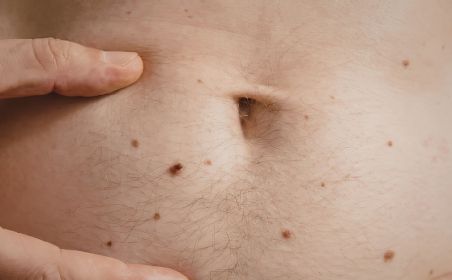
Stomach hair removal
Unwanted stomach hair can be frustrating to manage with shaving, waxing, or laser. Electrolysis can be a solution.
Learn MorePricing
Electrolysis
Pricing goes by time
Junior Technician
$0
Senior Technician
$0
All Nios electrologists receive the same rigorous training. Senior electrologists offer more years of hands-on experience.
How Much Time Do I Need?
Electrolysis is billed by time, not body part, since every client’s hair density and treatment area are different.
-
Small areas
Lip, chin, eyebrows, fingers: ~5–30 minutes
-
Medium areas
Underarms, bikini: ~30–60 minutes
-
Large areas
Legs, chest, back, etc.: 60 to 120+ minutes
The exact timing varies from person to person — for example, underarms may take 30 minutes for one client and a full hour or more for another.
The best way to know what your treatment plan will look like is to book a free consultation, where we can assess your hair in person and give you a personalized estimate.
How many sessions do I need?
Hair grows in cycles—only active follicles can be treated, so multiple sessions are required. Most clients achieve permanent results within 12–18 months: twice a month at first, then monthly as hair thins.
Book a free consultation for a personalized estimate.
Client Testimonials


