

The Fear Here Is: “Will This Be Awkward?”
You’re not booking a spa day. You’re trying to solve a problem that follows you into mirrors, lighting, photos, and daily routines. The last thing you need is a provider who makes it weird, over-talks it, or treats you like a case study. Nios runs on smart pragmatism: clear protocols, calm rooms, and a straightforward plan. We don’t make assumptions about your goals, your body, or how you want to be addressed. You tell us what you want done, and we build the protocol to do it—efficiently, permanently, without theater.
Permanent Means Follicle-Level. That’s Why It Works Where Other Methods Don’t.
Electrolysis places a fine, sterile probe into each individual follicle and delivers a controlled pulse of heat directly to the growth center. The follicle is permanently destroyed—the hair it was producing doesn’t come back. Because the method targets each follicle mechanically rather than relying on pigment contrast, it works on every hair color and every skin tone: light, dark, gray, red, and hormonally-changed hair that laser misses as HRT shifts texture and color over time. You’re not trying to qualify for results. You’re choosing the method built to finish.

You Pick the Outcome. We Build the Protocol.
Trans and gender-diverse clients come in with different goals—and we don’t assume yours. For many clients, hair removal isn’t about aesthetics in the usual sense—it’s about reducing the gap between how you move through the world and how you feel inside it. The daily shaving that clocks time. The texture that reads wrong in photos. The dysphoria that spikes when certain growth comes back. Electrolysis doesn’t promise a transformation—it removes an ongoing task. Treated follicles stay permanently closed. Density decreases over consistent sessions. The friction drops, and it keeps dropping.

This Isn’t Gatekeeping—It’s Timing.
Hormone therapy reshapes hair growth over time—softening body and facial hair in feminizing protocols, increasing it in masculinizing ones. That doesn’t mean waiting until life is “stable.” It means we plan for change.
For trans women and nonbinary clients on estrogen: HRT reduces androgen-driven growth but doesn’t close established follicles. Electrolysis permanently closes each one, regardless of texture, color, or growth rate.
For trans men and nonbinary clients on testosterone: unwanted facial and body hair can be addressed in targeted areas. In all cases, we track what’s closing versus what’s newly active and build around your actual growth—not a projected future state.

Pre-Op Clearance, Insurance, and Working Alongside Your Care Team.
Nios works alongside surgeons, hormone specialists, and LGBTQ+ care coordinators. If you’re preparing for vaginoplasty, phalloplasty, facial feminization surgery, or any procedure requiring pre-operative hair clearance, we provide the documentation your surgical team needs. Bring your surgery date and clearance requirements to your consult—we’ll plan backward from there.
On insurance: Nios is one of few electrolysis providers in the country that accepts certain health insurance plans for gender-affirming hair removal. Coverage varies by plan; if yours isn’t accepted, we provide invoices for direct reimbursement. Ask at your consult and we’ll walk you through your options.
Already done laser and still have stubborn hairs? Electrolysis picks up exactly where laser left off.
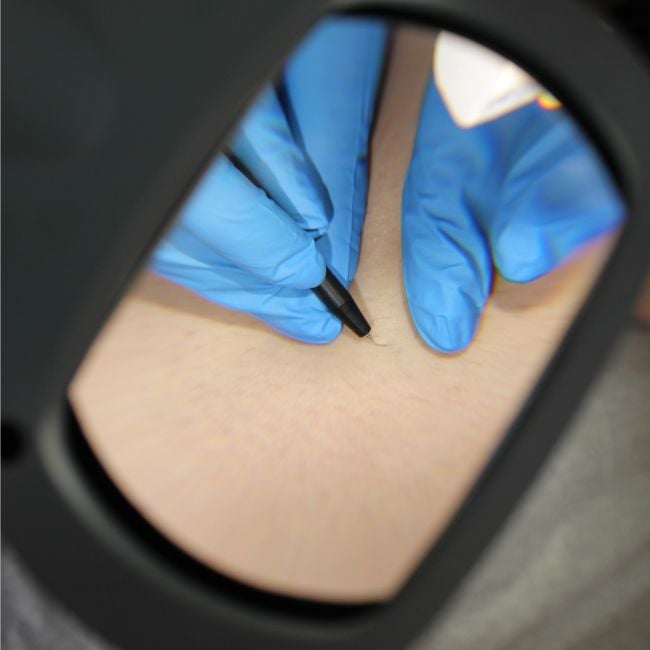
Who is Gender Affirming Electrolysis for?
Whether you’re early in your process, preparing for surgery, or finishing what laser started, we meet you where you are.
- Are a trans woman or nonbinary client seeking permanent facial hair removal: beard shadow, upper lip, chin, neck, sideburns.
- Are a trans man or nonbinary client wanting to address specific areas of body or facial hair growth that feel incongruent.
- Are preparing for gender-affirming surgery and need pre-operative hair clearance with documentation.
- Have tried laser and found results incomplete, inconsistent, or degraded by hormone-related changes in hair texture and color.
- Have darker skin or lighter hair that laser can’t reliably or safely treat.
- Are on HRT and want permanent follicle closure that isn’t affected by ongoing hormonal change.
- You’re in the very early weeks of a new HRT regimen and growth is actively shifting—we can start, but it’s useful to discuss timing at your consult; we’ll build around your current pattern and adjust as it changes.
- Skin is actively irritated or inflamed in the treatment area—we stabilize first; if prior removal has left bumps, dark marks, or texture, we may recommend pairing early sessions with a Calming Facial to protect the barrier while we do follicle-level work.

Electrolysis vs Waxing vs Laser Hair Reduction
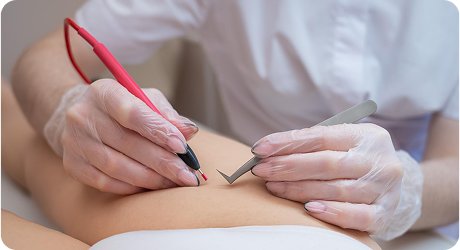
Waxing is temporary, laser is partial, electrolysis is permanent. Different tools, different results.
-
Perfect, individual-hair precision
-
Safe for all skin tones
-
Effective on all hair colors
-
Brief heat sensation
-
PERMANENT REMOVAL, NOT JUST REDUCTION

-
Approximate precision
-
All skin tones
-
All hair colors
-
Ripping sensation
-
Temporary results

-
Approximate (~½” applicator) precision
-
Struggles with dark & tan skin
-
Limited on light, gray, red, or fine hair
-
Snapping sensation
-
Permanent reduction
Electrolysis Results
See the visible reduction achieved through consistent electrolysis treatments over multiple sessions.
Results may vary depending on hair colors, treatment area, and consistency.
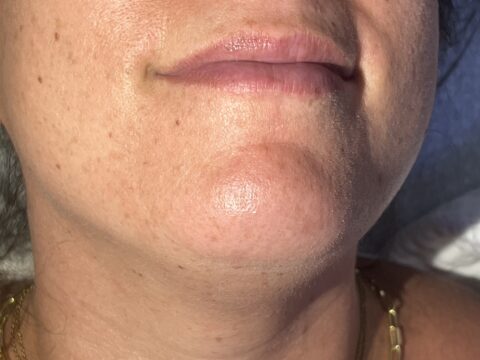 Before
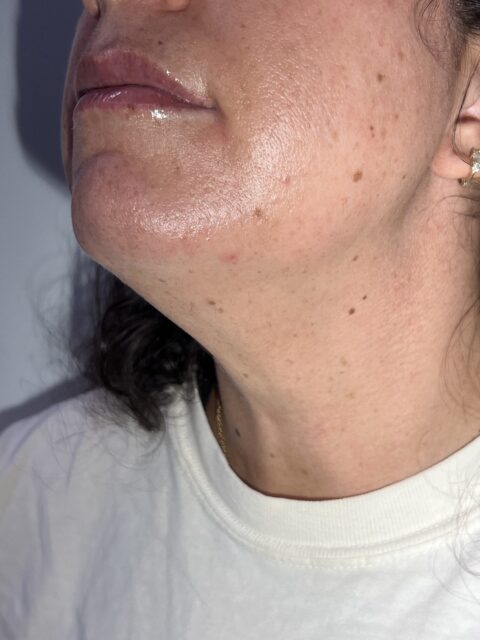 After 23 sessions
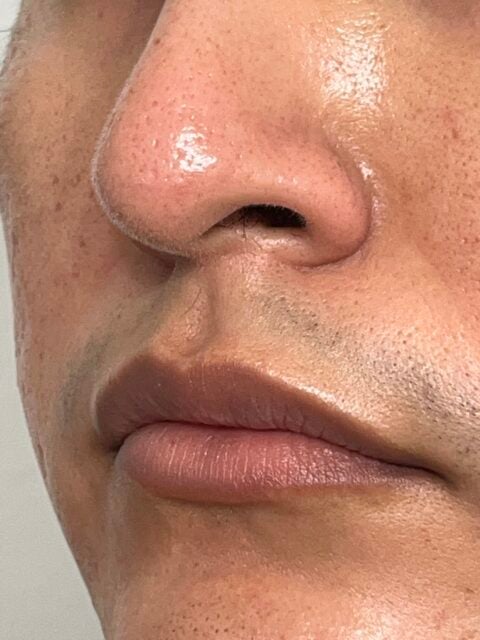 Before
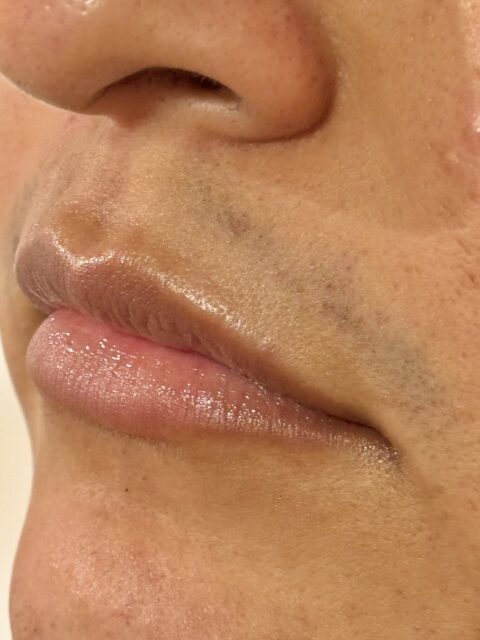 After 12 sessions
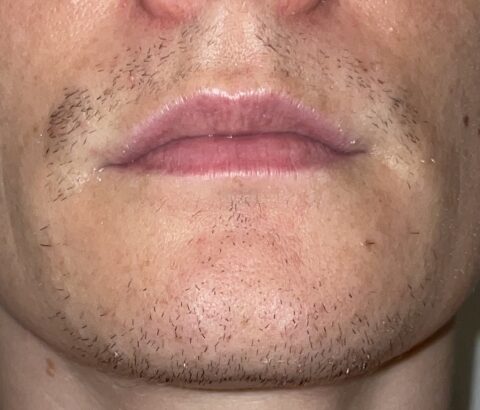 Before
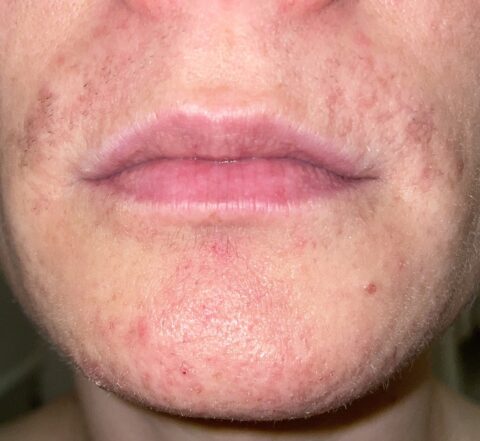 After 31 sessions
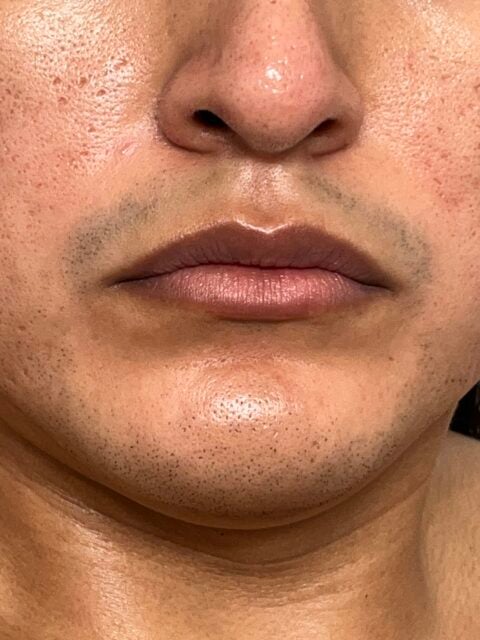 Before
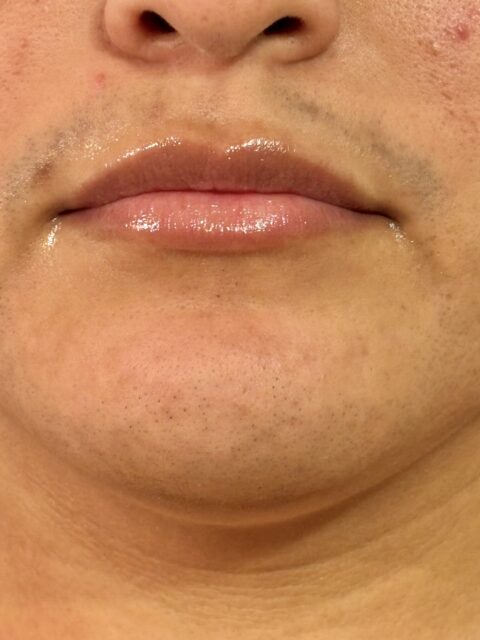 After 12 sessions
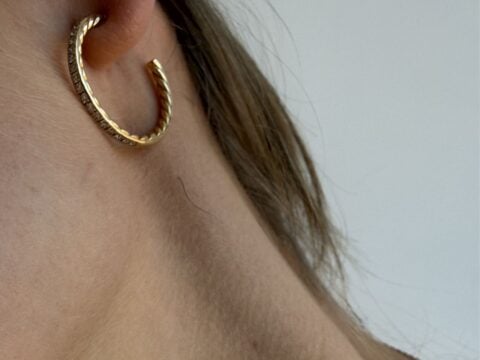 Before
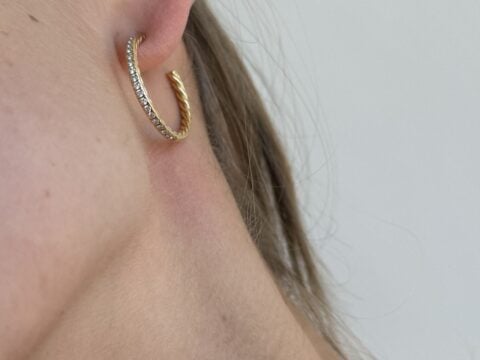 After 1 session
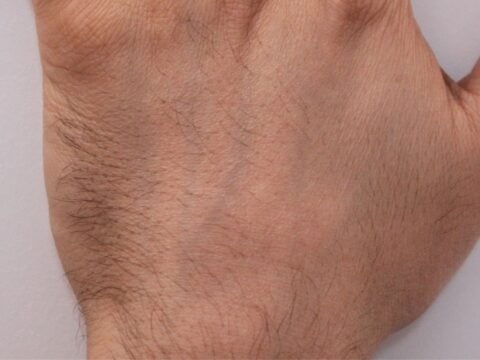 Before
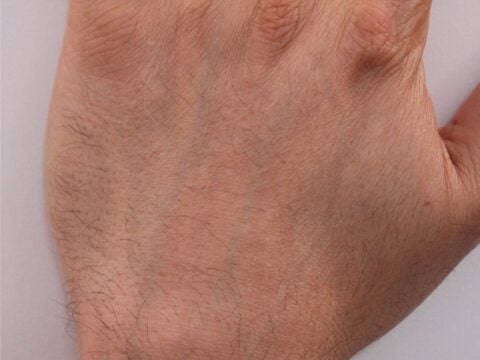 After 15 sessions
The NIOS Standard

-
M.D. Founded
Protocols designed by an M.D. We adhere to safety and hygiene standards that go beyond typical spa requirements.
-
Science,not sales
Our technicians are paid to clear your skin, not to upsell you. No quotas, no pressure—just results.
-
Clinical-Grade tech
Apilus xCell Technology. We use the fastest, most precise epilators on the market.
-
Rigorous training
Expert hands only. Hand-picked and continuously tested. We hire for precision and keep for kindness.
-
Open 7 days 9am–8pm
Locations across NYC with complimentary high-end sound healing systems. Your records sync across all of them, treat wherever is convenient.
The Team
We are a multidisciplinary team of licensed estheticians, electrologists, engineers, creatives, and more—sharing expertise across disciplines and united by a single goal: You.













































Your Questions,
Our Answers
-
Is electrolysis the right method for gender-affirming hair removal?
Yes—and not just the right method, the recognized standard. The FDA has described electrolysis as a permanent hair removal method, and it works regardless of hair color or skin tone. It’s the method gender-affirming surgeons specify for pre-operative clearance and the one many insurance providers recognize when coverage applies. Laser reduces hair for some clients but depends on pigment contrast, degrades as HRT shifts hair texture and color, and cannot claim permanent removal.
Concierge Note:
For permanent clearance—whether for dysphoria, surgical prep, or because you’re done managing it—electrolysis is the appropriate method. Laser gets you part of the way; electrolysis finishes the job. Book a Nios consult in NYC and we’ll build the protocol around your specific goals and timeline. -
Can I do electrolysis while on hormones?
Yes—you don’t need to wait for your hair pattern to stabilize before starting. Electrolysis closes the follicles currently active and producing hair. HRT may slow the rate at which new follicles activate over time, which can support the protocol rather than complicate it. We build the plan around your current growth, track what’s shifting, and adjust cadence as your pattern changes. Starting during HRT typically produces better outcomes than waiting for a stable baseline that may not arrive on a predictable schedule.
Concierge Note:
Most clients find that running electrolysis and HRT in parallel makes each more effective—fewer new follicles activating means each session does more net work. The sooner active follicles are closed, the sooner density starts shifting. We adjust the protocol as your pattern evolves. That’s what the ongoing consult relationship is for. -
Do I need electrolysis for gender-affirming surgery, and how do I time it?
Many gender-affirming surgical procedures require pre-operative hair clearance in specific areas—most commonly the genital region for vaginoplasty and phalloplasty. Your surgical team will specify the clearance requirements. Surgical prep typically requires consistent sessions over several months, so starting as early as possible preserves scheduling flexibility. We provide clearance documentation and coordinate directly with gender-affirming surgical teams.
Concierge Note:
Bring your surgical team’s clearance requirements to your Nios consult and we’ll build the protocol backward from your surgery date. This is a timeline where earlier is always better—the margin for delay is smaller than most clients expect when they first book. We’ve coordinated this process across our NYC locations and know how to move efficiently when a date is on the calendar. -
Does Nios accept insurance for transgender electrolysis?
Nios is one of few electrolysis providers that accepts certain health insurance plans for gender-affirming hair removal. Coverage varies significantly by plan. If we don’t accept your specific plan, we can provide an invoice and receipt for direct reimbursement—which works for many clients. A letter of medical necessity from your physician is typically the starting point worth requesting before calling your insurer if coverage is uncertain.
Concierge Note:
Bring your insurance information to your consult and we’ll help clarify what documentation your plan may need and what we can provide on our end. Most clients find the insurance conversation more navigable than expected once the right paperwork is in place. It’s worth asking before assuming it’s out of pocket. -
Should I stop tweezing or waxing before starting electrolysis?
Yes. Tweezing and waxing remove hair from the root—there’s nothing left in the follicle for the probe to target. Shaving is fine and the right method for interim maintenance between sessions. The hair must be present to be treated. We’ll give you specific timing guidance at your consult based on the areas being treated and your current removal routine.
Concierge Note:
Put down the tweezers and let us do the permanent work—your timeline will thank you. Every hair you tweeze between sessions is a follicle we can’t close that visit. Most clients find the adjustment easier than expected once sessions are spaced correctly and the growth starts visibly thinning. If the transition feels uncomfortable to manage, we’ll map the timing at your consult so it stays workable throughout. -
How long does facial hair clearance take for trans women?
Beard-area hair is among the most dense and deeply rooted on the body, making facial clearance one of the longer electrolysis protocols. Most clients see meaningful density reduction within the first several months of consistent sessions. Full clearance of original growth depends on density, growth cycle timing, and how actively HRT is affecting the pattern. Honest timeline estimates come from your consult—based on what we actually observe, not generic averages.
Concierge Note:
The protocol takes consistent work, and results compound steadily in one direction. Clients who stay on cadence across our Manhattan, Brooklyn, and Queens locations get there—the timeline compresses with consistency. Think of it like compound interest: early sessions carry the most weight, and each closed follicle permanently exits the equation. We’d rather give you an honest scope than an optimistic number that falls apart by session four.
Related Solutions
Many similar clients also treat
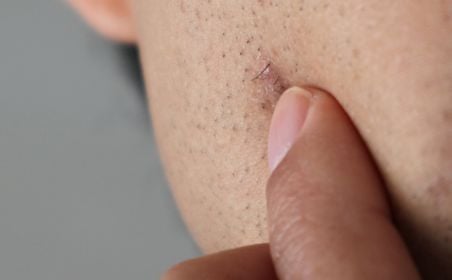
Ingrown hair razor bumps pseudofolliculitis removal
Razor bumps aren’t random—they’re a system. Electrolysis ends the cycle at the source.
Learn More
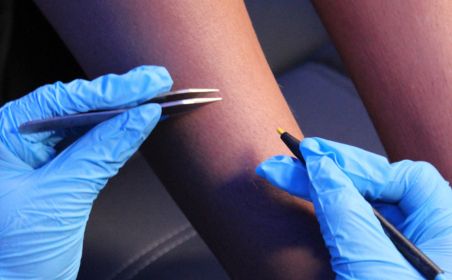
Leg permanent hair removal electrolysis
Does shaving, waxing, or lasering your legs feel like a recurring bill? Electrolysis may be for you.
Learn MorePricing
Electrolysis
Pricing goes by time
Junior Technician
$0
Senior Technician
$0
All Nios electrologists receive the same rigorous training. Senior electrologists offer more years of hands-on experience.
How Much Time Do I Need?
Electrolysis is billed by time, not body part, since every client’s hair density and treatment area are different.
-
Small areas
Lip, chin, eyebrows, fingers: ~5–30 minutes
-
Medium areas
Underarms, bikini: ~30–60 minutes
-
Large areas
Legs, chest, back, etc.: 60 to 120+ minutes
The exact timing varies from person to person — for example, underarms may take 30 minutes for one client and a full hour or more for another.
The best way to know what your treatment plan will look like is to book a free consultation, where we can assess your hair in person and give you a personalized estimate.
How many sessions do I need?
Hair grows in cycles—only active follicles can be treated, so multiple sessions are required. Most clients achieve permanent results within 12–18 months: twice a month at first, then monthly as hair thins.
Book a free consultation for a personalized estimate.
Client Testimonials


