Menopause and Your Skin: What Changes and Why
Dryness, thinning, lost firmness, sometimes breakouts. The hormonal mechanism behind each change, and what actually…
The honest answer: done properly, it shouldn’t. Here’s what’s normal, what’s not, and what makes the difference.
It’s one of the most common hesitations people have before booking, and a fair one—you’re considering a treatment that works just beneath the skin, so asking whether it scars is smart. The honest answer: when electrolysis is performed correctly by a trained professional, scarring is unlikely and rare. Most people experience only minor, temporary skin reactions that fade within hours to days. But technique, hygiene, and aftercare genuinely matter, so here’s the full picture—including what to watch for.
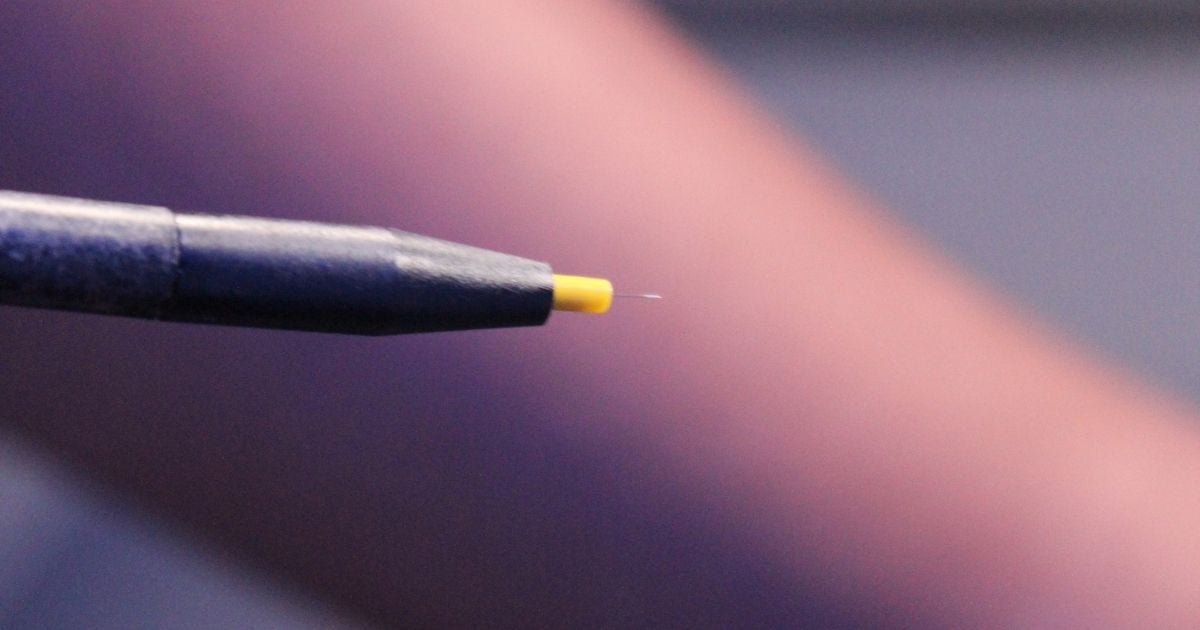
Properly performed electrolysis should not leave scars. The treatment delivers a small, controlled current to the base of the follicle through its natural opening—it isn’t cutting or gouging the skin. In skilled hands, with the energy calibrated correctly and clean technique, the skin heals without lasting marks. Scarring is generally associated with things that shouldn’t happen in good practice: incorrect settings, poor technique, unhygienic tools, or a client picking at the skin afterward. In other words, the risk is real but almost entirely preventable, and it comes down to who’s doing it and how it’s cared for.
Some short-lived skin reactions are completely normal and are not scarring—they’re just your skin responding to treatment. You may notice:
All of these are transient. The single most important thing you can do is not pick at scabs: letting them heal naturally is what keeps the skin mark-free. Picking is one of the few things that can turn a normal healing response into a lasting mark.
Distinguishing normal healing from a problem is straightforward. Contact your electrologist or a doctor if you notice signs that go beyond the transient reactions above—for example, redness that spreads or intensifies rather than fading, significant or increasing pain, pus or signs of infection, or blistering. These aren’t expected with proper treatment, and flagging them early is the right move. A reputable studio wants to hear from you if something doesn’t look right.
Because the risk is preventable, it’s worth knowing what protects your skin—and what to look for in a provider:
This is exactly why choosing your provider matters more than almost any other factor. At Nios Skin Lab, electrolysis is performed under an MD-founded clinical model with trained electrologists, clinical-grade equipment, and hygiene standards that go beyond typical spa requirements—because your skin’s safety is the point, not an afterthought.
This is a common and important question, because some hair-removal methods carry pigmentation risk on deeper skin. Electrolysis is a strong option across skin tones, because it targets the follicle rather than pigment in the skin—so it doesn’t carry laser’s burn-and-pigmentation risk on richly melanated skin. As with any skin tone, proper technique and calibration are what keep healing clean, which again comes back to the skill of your provider.
Is electrolysis safe for skin?
Safety comes down to who is holding the probe, which is why the MD-founded model and trained electrologists at Nios Skin Lab exist in the first place. You are welcome to ask about our standards at your first visit.
How long does redness last after electrolysis?
Most clients schedule sessions with a little buffer before a big event simply for comfort, and your electrologist talks through what to expect for your specific areas so there are no surprises.
What happens if I pick at the scabs?
The urge to pick is real, and resisting it matters more than anything else you do afterward. A simple aftercare routine keeps the area calm so there is less to fuss with in the first place.
How do I avoid scarring from electrolysis?
The provider question is the whole ballgame. If you are comparing options, ask about training, equipment, and hygiene protocols, and we are glad to walk you through ours at a free consult.
Done right, electrolysis removes hair permanently and leaves your skin as it was—no scars. The key is the hands doing it. Nios Skin Lab pairs an MD-founded clinical model with trained electrologists and hygiene standards beyond typical spa requirements, across Manhattan, Brooklyn, and Astoria.
Have questions about your skin? Book a free consultation and we’ll walk you through exactly what to expect.