10 Skincare Facts That You Should Know!
Happy National Skincare Education Day!
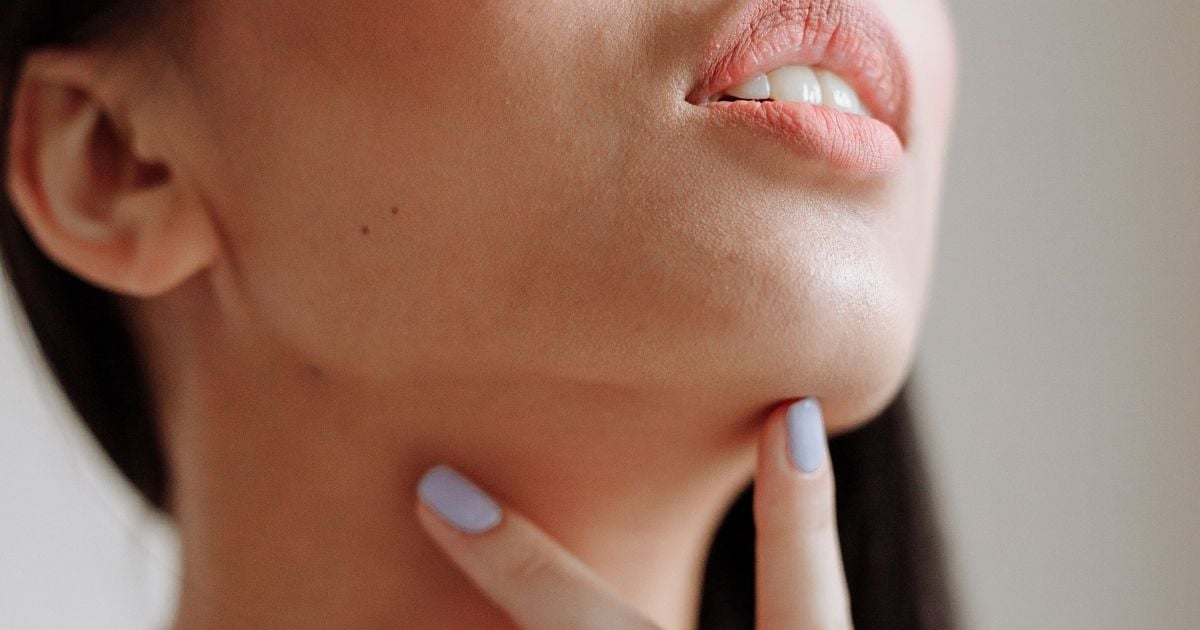
Hormones, genetics, and health—the actual reasons behind unwanted facial hair, and what genuinely helps.
Finding coarse or dark hair on your chin, upper lip, or jaw can feel alarming and isolating—but it is extremely common, and it almost always has an explainable cause. Some facial hair is completely normal; noticeable, coarse, male-pattern growth usually traces back to hormones, genetics, or an underlying condition. Understanding which applies to you is the first step, both for your peace of mind and for choosing what actually works. Here’s the honest breakdown.
One note before we start: this explains the common causes, but it isn’t a diagnosis. If your facial hair is new, sudden, or accompanied by other changes, the most important step is a doctor—not a hair-removal appointment. We’ll flag exactly when.
Everyone has fine, light, barely-visible hair across most of the face—this is called vellus hair, or “peach fuzz,” and it’s entirely normal. What people usually mean by “facial hair” is when some of that fine hair turns into terminal hair: the coarser, darker, longer kind. When and where that happens is driven mostly by hormones, which is where the real causes come in.
The hormones most responsible are androgens—often called “male” hormones, though everyone produces them. When androgen levels rise, or when hair follicles become more sensitive to them, fine facial hair can transform into coarse, dark growth in a male-like pattern (chin, upper lip, jaw, neck). The medical term for this is hirsutism. It doesn’t always mean something is wrong, but it’s the mechanism behind most noticeable female facial hair.
Polycystic ovary syndrome is the single most common medical cause of unwanted facial hair in women. PCOS involves elevated androgen levels, and facial hair is one of its hallmark signs, often alongside irregular periods, acne, or scalp hair thinning. If your facial hair showed up with any of those, PCOS is worth asking your doctor about. We go deeper in our guide to PCOS and unwanted hair.
Hormones shift throughout life, and facial hair often follows. During menopause, estrogen drops while androgens stay relatively steady—tilting the balance and allowing coarser facial hair to appear, commonly on the chin and upper lip. Pregnancy and puberty are other times hormonal change can alter facial hair. Our post on menopause and facial hair covers that stage specifically.
Less commonly, thyroid dysfunction and certain other endocrine conditions can disrupt hormone balance in ways that contribute to facial hair. It’s usually not the first or only cause, but it belongs on the list your doctor considers—especially if other symptoms are present. We cover the nuance in our post on thyroid and facial hair.
Sometimes there’s no hormonal imbalance at all—just genetics. Some women naturally have more facial hair because of family and ethnic background, with follicles simply more responsive to normal androgen levels. If you’ve always had some facial hair, it runs in your family, and there are no other symptoms, this is the likely explanation, and it’s completely normal.
Certain medications can cause increased hair growth as a side effect—some hormone therapies, steroids, and others. If new facial hair appeared after starting a medication, mention it to your prescribing doctor; don’t stop the medication on your own. This is a case where the cause is external and worth reviewing with the person who prescribed it.
Most facial hair is harmless. But see a doctor if your facial hair is sudden, rapidly increasing, or comes with other changes—irregular periods, acne, a deeper voice, or scalp hair thinning. Those can signal a hormonal condition worth diagnosing and treating. Getting the cause identified protects your health, and it also informs the smartest approach to the hair itself.
Here’s the key thing to understand: treating an underlying cause—balancing hormones, managing PCOS—may slow new growth, but it generally won’t remove hair that’s already established. Once a follicle is producing coarse, dark hair, addressing the hormones behind it doesn’t reliably reverse that follicle. That’s why most people need to address the existing hair directly. Electrolysis is the only method recognized for permanent hair removal, and it’s especially suited to hormonal facial hair: it treats one follicle at a time for precise chin and lip work, and because it targets the follicle rather than pigment, it removes the fine, light, and mixed-color hairs hormones tend to produce. It works regardless of the hormonal cause behind the hair.
The honest caveat that applies to all hormonal hair: electrolysis permanently closes the follicles it treats, but if an active hormonal driver keeps switching on new follicles, new hair can appear over time. That’s why managing the cause with your doctor and removing the hair with electrolysis work best together.
Is it normal for women to have facial hair?
However common it is, unwanted facial hair can weigh on you, and wanting it gone is completely valid with no medical justification required. We treat it permanently and without judgment, and a free consultation is a no-pressure place to start.
What is the most common cause of facial hair in women?
Knowing the cause helps both your health and your plan, but the removal approach stays the same across causes: close the follicles producing the unwanted hair. We handle that part while your doctor handles the diagnosis.
Will removing the cause make the facial hair go away?
Think of it as two jobs running in tandem. Your doctor manages what is coming, electrolysis removes what is already here, and together they get you the furthest.
Can electrolysis remove hormonal facial hair permanently?
We track what is clearing against what is newly active and adjust the cadence as we go, which matters most when a hormonal driver keeps switching on new follicles. Your plan gets mapped at the consultation from a real look at your hair.
If your facial hair is new or comes with other symptoms, start with your doctor. When you’re ready to remove the hair itself, electrolysis is the permanent option built for hormonal, mixed-texture facial hair—on every skin tone and hair color. Nios Skin Lab has specialized in electrolysis since 2009 across Manhattan, Brooklyn, and Astoria.
Ready to address unwanted facial hair for good? Book a free consultation and we’ll build a plan around your situation.