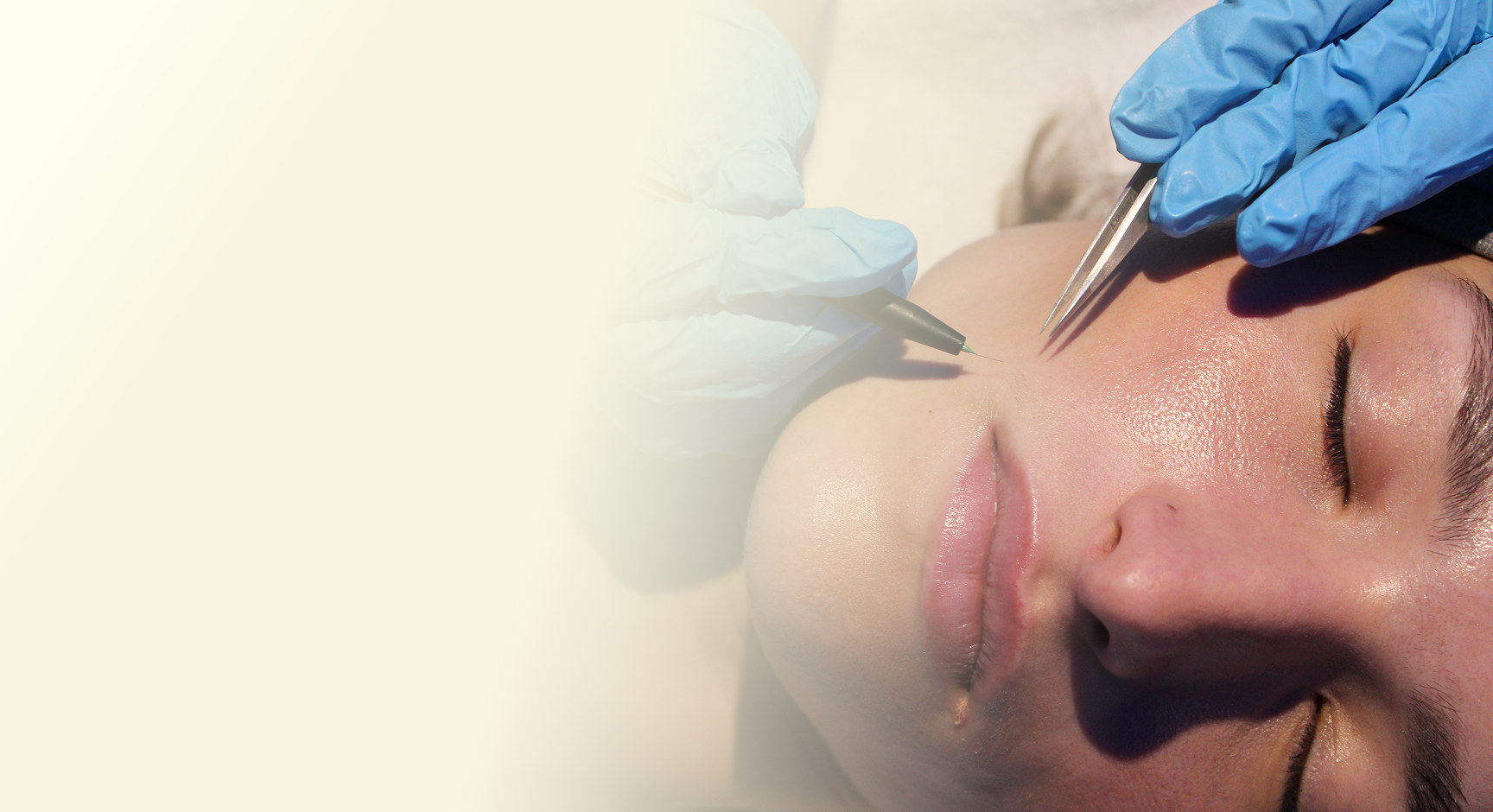

Chin Hair Comes Back. You Know Exactly Where, and Exactly When.
It’s usually the same follicles—the coarser one under the jaw, the stubborn cluster at the chin edge. Tweezing removes the hair but leaves the follicle ready for the next cycle. Threading schedules your life around regrowth. The real friction isn’t the hair; it’s that it comes back on a timeline you never agreed to and always arrives at the wrong moment. Electrolysis permanently shuts the follicle down. That’s the exit.
Follicle-Level Precision, Built for the Deepest, Coarsest Hairs on the Face.
Chin hair often sits deeper in the dermis than lip or cheek hair—part of why temporary removal feels less effective here. Electrolysis inserts a fine, sterile probe into each follicle and delivers a controlled pulse to the growth center, permanently disabling regrowth. The method targets follicle structure, not pigment. Dark and coarse, lighter and mixed, isolated recurring hairs that reappear in exactly the same spot—every follicle this zone produces can be permanently treated.

Stop Managing the Chin. Start Building a Baseline That Holds.
The shift isn’t just fewer hairs—it’s the end of the daily check. The mirror-before-leaving moment. The emergency tweeze. Most clients see meaningful density reduction within the first consistent months of sessions. Treated follicles stay permanently closed. New ones that activate—particularly with ongoing hormonal drivers—are added to the protocol as they appear, not restarted from scratch. The “always something” feeling drops. The baseline shifts. And once it shifts, it stays shifted.

Chin Hair Is Often Hormonal. Electrolysis Closes the Follicle Regardless.
Chin and jaw hair is among the most hormonally influenced facial growth. Androgens signal follicles to transition from fine vellus to coarser terminal hair—accelerated by PCOS, perimenopause, postpartum shifts, or certain medications. Electrolysis permanently closes every follicle it treats regardless of the driver. Hormones may continue activating new follicles, making this a sustained protocol rather than a fixed course—but treated follicles stay closed, and new arrivals are handled without restarting. See PCOS or Hirsutism.
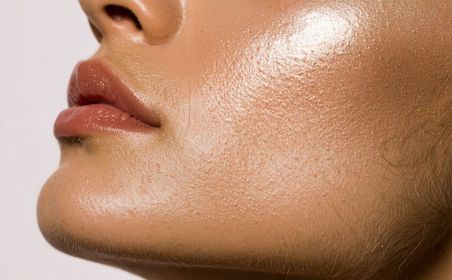
WHO IS CHIN ELECTROLYSIS FOR?
When chin hair keeps coming back coarser, deeper, and in the same spots regardless of what you’ve tried—the follicle is the problem. Electrolysis is the fix.
- Have chin or jaw hairs that reappear in the same spots days after tweezing or threading.
- Have coarser, darker chin growth that’s intensified over time—often tied to hormonal shifts, PCOS, or perimenopause.
- Have light, gray, or mixed-color chin hair that laser hasn’t reliably treated.
- Have darker skin and need a permanent method without laser’s pigmentation risk in the jaw zone.
- Have done laser on the chin and still have persistent hairs—or noticed growth increase after treatment.
- Chin growth is sudden, rapid, or newly appearing alongside other symptoms without medical evaluation—worth a physician conversation first.
- Skin is actively irritated, broken out, or recently waxed—we stabilize first.
- You’re using retinoids or strong sensitizing actives in this zone—timing sessions around a stable skin barrier matters.

Electrolysis vs Waxing vs Laser Hair Reduction
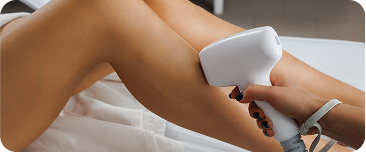
Waxing is temporary, laser is partial, electrolysis is permanent. Different tools, different results.
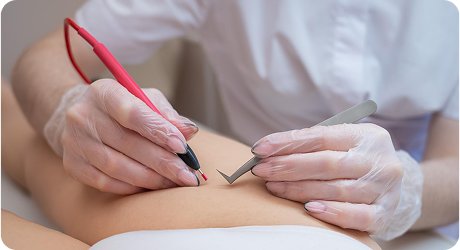
-
Perfect, individual-hair precision
-
Safe for all skin tones
-
Effective on all hair colors
-
Brief heat sensation
-
PERMANENT REMOVAL, NOT JUST REDUCTION
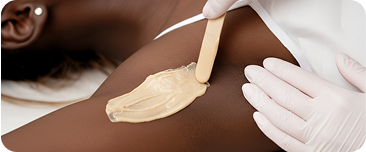
-
Approximate precision
-
All skin tones
-
All hair colors
-
Ripping sensation
-
Temporary results
-
Approximate (~½” applicator) precision
-
Struggles with dark & tan skin
-
Limited on light, gray, red, or fine hair
-
Snapping sensation
-
Permanent reduction
Electrolysis Results
See the visible reduction achieved through consistent electrolysis treatments over multiple sessions.
Results may vary depending on hair colors, treatment area, and consistency.
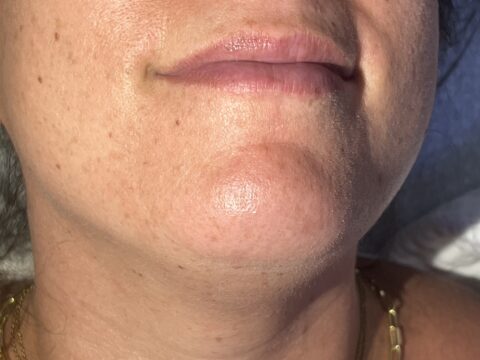 Before
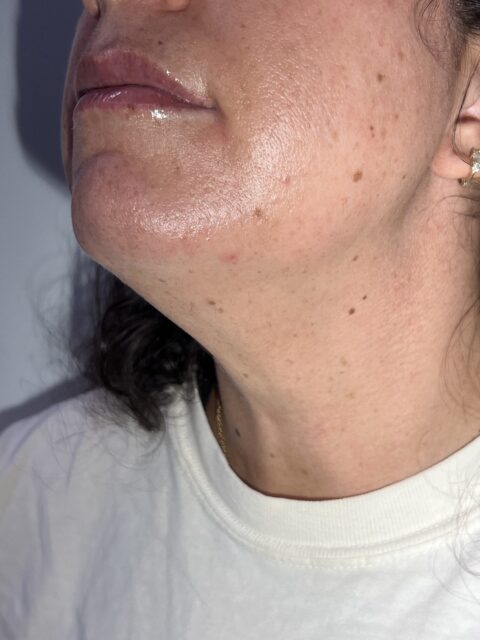 After 23 sessions
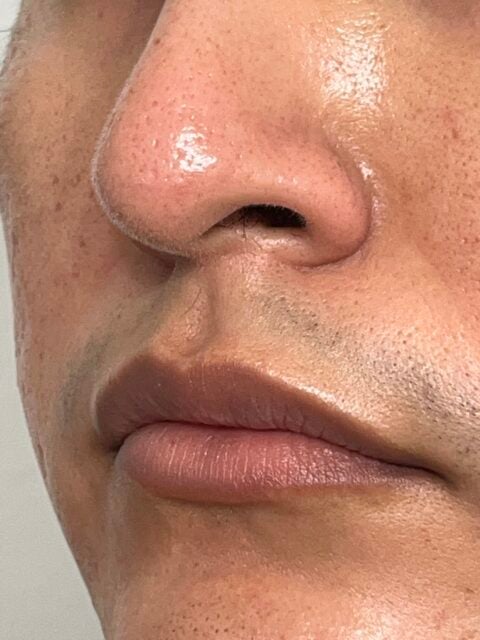 Before
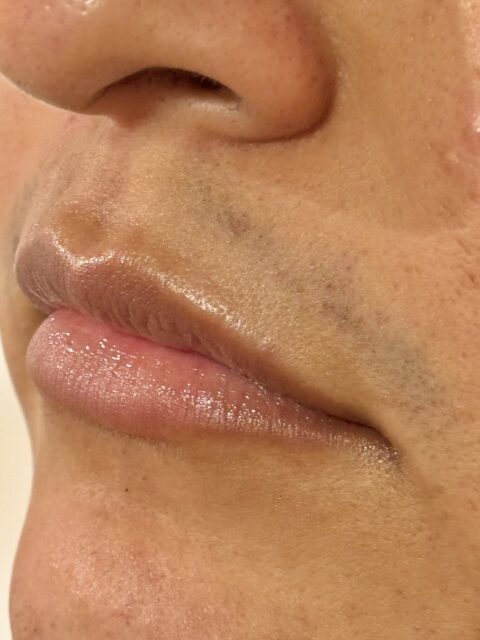 After 12 sessions
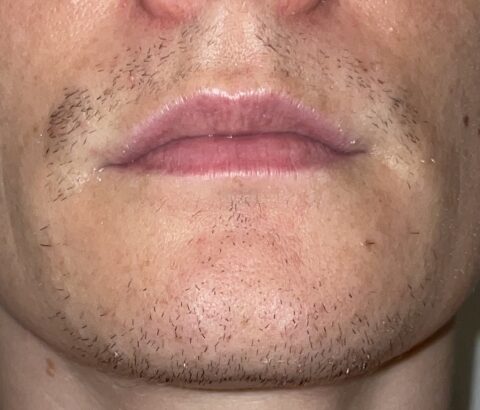 Before
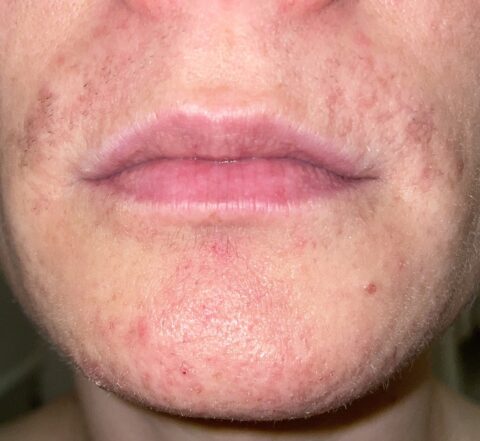 After 31 sessions
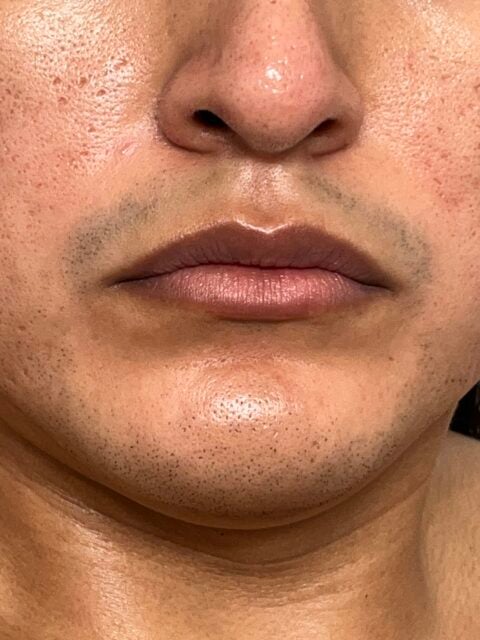 Before
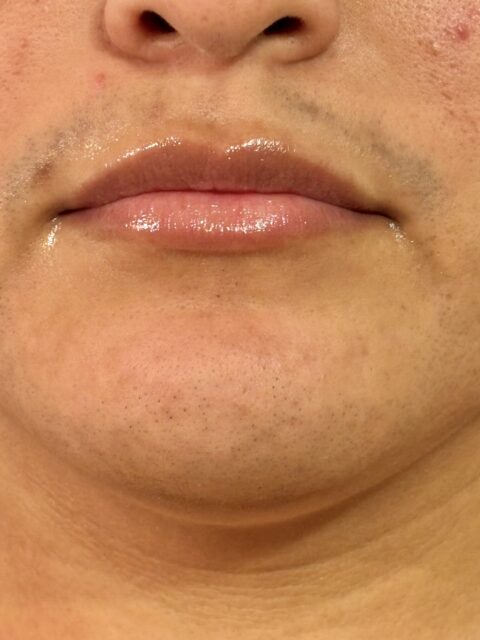 After 12 sessions
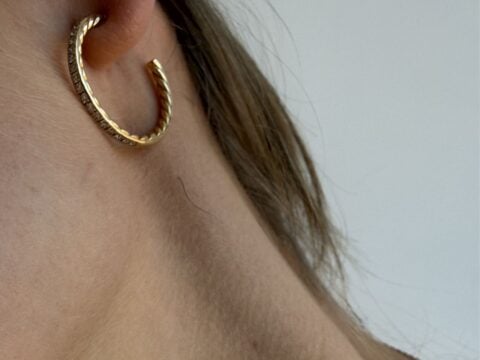 Before
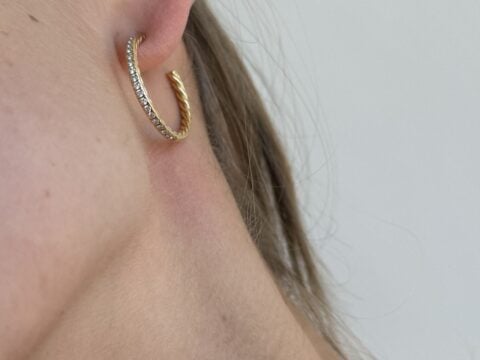 After 1 session
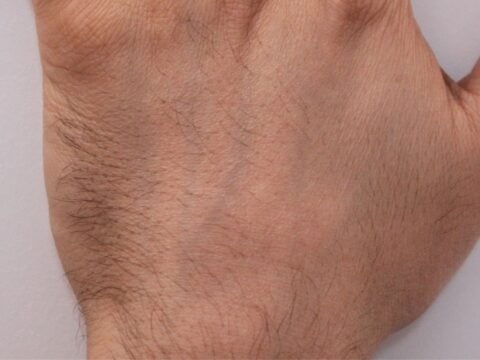 Before
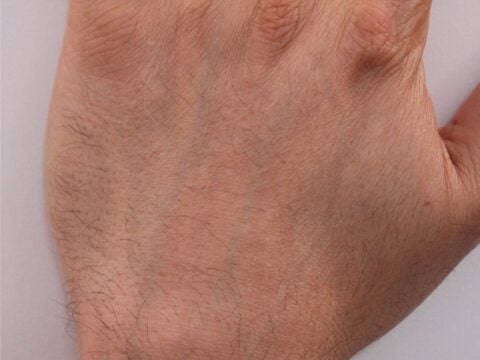 After 15 sessions
THE NIOS STANDARD

-
M.D. FOUNDED
Josh Gordon, M.D., earned his medical degree at NYU School of Medicine — then chose to build Nios rather than pursue a license. He leaves the treatments to the people who do them best: our licensed estheticians and trained electrologists.
-
SCIENCE, NOT SALES
Our technicians are paid to clear your skin, not to upsell you. No quotas, no pressure—just results.
-
CLINICAL-GRADE TECH
Apilus xCell Technology. We use the fastest, most precise epilators on the market.
-
RIGOROUS TRAINING
Expert hands only. Hand-picked and continuously tested. We hire for precision and keep for kindness.
-
OPEN 7 DAYS 9am–8pm
Locations across NYC with complimentary high-end sound healing systems. Your records sync across all of them, treat wherever is convenient.
THE TEAM
We are a multidisciplinary team of licensed estheticians, electrologists, engineers, creatives, and more—sharing expertise across disciplines and united by a single goal: You.













































YOUR QUESTIONS, OUR ANSWERS
-
Why does chin hair keep coming back in the same spots?
Tweezing and threading remove hair from the root—which produces a clean result temporarily—but the follicle’s growth center is completely undamaged and immediately begins the next cycle. For hormonally driven chin hair, that cycle often feels faster because the follicle is being actively stimulated. The same spots return because the same follicles are still producing. Electrolysis permanently destroys the growth center. The treated follicle stops producing hair entirely, regardless of hormonal activity.
Concierge Note:
There’s no version of tweezing that leads to a finish line—that’s not a willpower issue, it’s how follicles work. Electrolysis is the finish line. Most clients who’ve been managing chin hair for years find the actual protocol is shorter than they assumed once the follicle count is mapped. Book a Nios consult in NYC and we’ll show you what finishing this actually looks like. -
How many sessions does permanent chin hair removal take?
It depends on zone density, hair texture, and whether hormones are driving ongoing new follicle activity. Isolated chin hairs with no significant hormonal component can resolve relatively quickly. Denser or hormonally active chin growth requires a sustained protocol—treated follicles stay permanently closed, but new ones can activate over time. Most clients see meaningful density reduction within the first consistent months of sessions. A realistic timeline comes from your consult.
Concierge Note:
That range is wide on purpose—your number lives somewhere specific inside it. Think compound interest: the early sessions do the heaviest lifting, and each one builds on the last. At Nios, we map your actual density and any hormonal context at your consult, then build a cadence that reflects your real situation—not a number we walk back by session four. Manhattan, Brooklyn, Queens, or Union Square—pick your location and we’ll start there. -
I have PCOS—does that change how chin electrolysis works?
It changes the protocol timeline, not the effectiveness. Electrolysis permanently closes every follicle it treats regardless of what’s driving their activity. With PCOS or other androgenic conditions, ongoing hormonal signals may continue activating new follicles over time—so while treated follicles stay permanently closed, the protocol is sustained rather than a fixed short course. You don’t need to wait for PCOS to be under control before starting treatment. Electrolysis and medical management can run in parallel.
Concierge Note:
Hormones may turn the lights on, but we shut the factory down—follicle by follicle. Running treatment in parallel with medical management typically produces better outcomes than waiting for hormonal stability that may not arrive on a predictable schedule. See our PCOS page for the full clinical context. Your Nios consult is where we map what parallel looks like for your specific growth pattern. -
Does chin electrolysis hurt?
Chin hair tends to be coarser and sits deeper than most facial hair, which means you’ll feel it—a quick heat pulse and pinch at each follicle, more pronounced in denser zones. That said, we calibrate energy between insertions and work inside your tolerance throughout the session. Discomfort here has an exit strategy: we work at a pace your skin and your schedule can sustain, not at maximum volume in a single sitting.
Concierge Note:
Most clients find the first session tells them more than any description can. We establish your baseline tolerance early and build sessions around it. If prior hair removal methods have left your skin reactive in this zone—bumps, dark marks, texture—mention it at your Nios consult and we’ll sequence around it. Calm before clear applies here. The goal is consistent sessions, not white-knuckle appointments. -
Why doesn't laser work as well on chin hair?
Two specific reasons. First, chin hair is often mixed in color—coarser dark hairs alongside lighter or graying growth—and laser requires melanin contrast to function. Lighter hairs are invisible to the device regardless of how many sessions you complete. Second, the chin and jaw area is one of the highest-risk zones for paradoxical hypertrichosis—a documented pattern where laser stimulates dormant follicles in hormonally active tissue, increasing density rather than reducing it. Electrolysis targets each follicle individually and carries neither risk.
Concierge Note:
If you’ve done laser on your chin and seen patchy coverage, persistent hairs, or more growth than you started with—that’s not a provider failure, it’s the physics of the method in this zone. Laser gets you part of the way; electrolysis finishes the job. Most clients who’ve been through multiple laser rounds land on electrolysis when the mechanics finally make sense. See our Laser vs. Electrolysis page for the full comparison. -
What will my skin look like after a session?
At first, the treated area often looks like it has small mosquito bites. That’s normal. Most people look back to normal within a few days; for some it takes a week or two, and tiny scabs occasionally form. Chin skin can be more reactive in dense zones or areas with prior irritation history—plan your first few sessions around your social calendar until you know exactly how your skin responds. Aftercare is straightforward: keep it clean, no picking, pause aggressive actives until the surface settles.
Concierge Note:
If post-inflammatory hyperpigmentation is a pattern for you in this zone—common after years of tweezing or waxing—flag it at your Nios consult. We may recommend pairing early sessions with a calming facial to protect the barrier while follicles are permanently closed. Most clients find post-session skin settles well before their next appointment once we’ve calibrated session size to what their skin actually tolerates. Across our Manhattan, Brooklyn, Queens, and Union Square locations, we pace for your skin—not for volume. -
Can I treat the chin and upper lip together at the same appointment?
Yes—chin and upper lip are the two most commonly combined facial zones at Nios, and treating both in a single session is standard. Each is a targeted area with a defined follicle scope, so session time is mapped at your consult based on what we observe across both zones. Most clients find the combined session more efficient than they expected.
Concierge Note:
The chin tends to be the longer-term conversation; the upper lip often clears faster. Treating both at once gives you early wins on the lip while the chin protocol builds—which is useful momentum. Most clients across our NYC locations who treat one facial zone add the other within their first few visits once the combined session scope is clear. Ask your esthetician at your Nios consult how to sequence both zones together efficiently.
Related Solutions
Many similar clients also treat
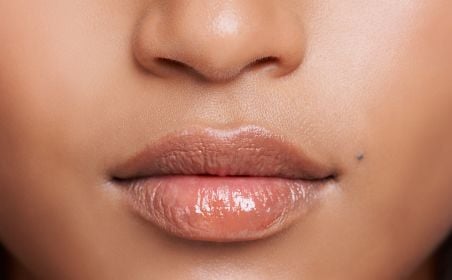
Upper Lip Electrolysis
The permanent solution for upper lip hair—fine fuzz, visible shadow, or coarser growth along the lip line. Safe for all skin tones. Effective on every hair color.
Learn More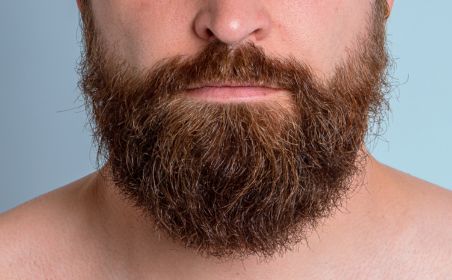
Beard Electrolysis
Permanent beard cleanup or full removal—electrolysis targets each follicle so you can stop chasing razor bumps and ingrowns.
Learn More
Pcos
When chin hair, neck stubble, or facial strays turn into a daily job, it’s time to stop managing hormones with a razor.
Learn MorePRICING
Electrolysis
Pricing goes by time
Junior Technician
$0
Senior Technician
$0
All Nios electrologists receive the same rigorous training. Senior electrologists offer more years of hands-on experience.
How Much Time Do I Need?
Electrolysis is billed by time, not body part, since every client’s hair density and treatment area are different.
-
Small areas
Lip, chin, eyebrows, fingers: ~5–30 minutes
-
Medium areas
Underarms, bikini: ~30–60 minutes
-
Large areas
Legs, chest, back, etc.: 60 to 120+ minutes
The exact timing varies from person to person — for example, underarms may take 30 minutes for one client and a full hour or more for another.
The best way to know what your treatment plan will look like is to book a free consultation, where we can assess your hair in person and give you a personalized estimate.
How many sessions do I need?
Hair grows in cycles—only active follicles can be treated, so multiple sessions are required. Most clients achieve permanent results within 12–18 months: twice a month at first, then monthly as hair thins.
Book a free consultation for a personalized estimate.
Client Testimonials


