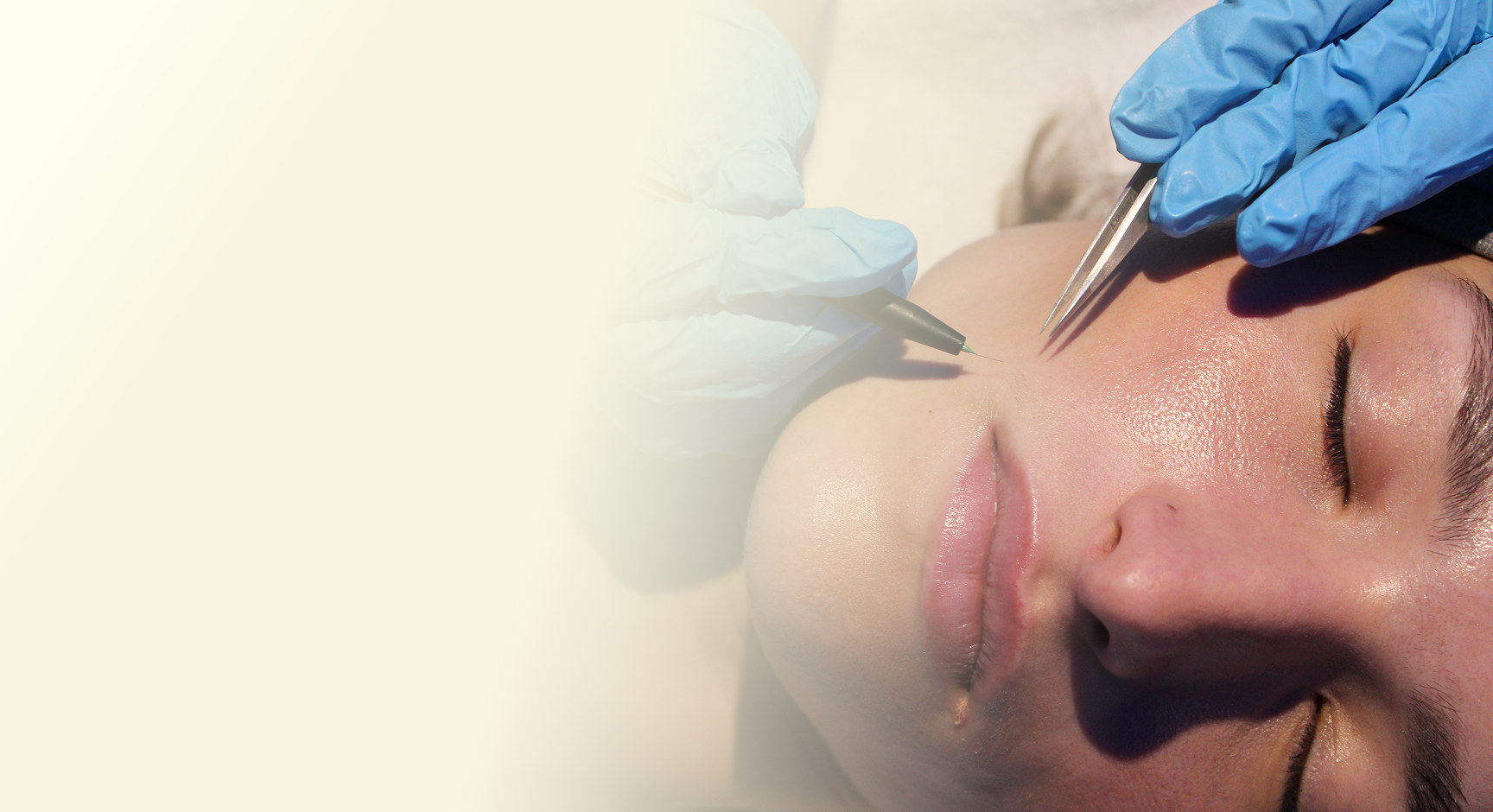

Cheek Hair Is Always Visible to Someone Else Before It’s Visible to You.
The angles you can’t see—turned profile, overhead lighting, phone camera—are exactly what other people see. Cheek hair tends to be quieter than chin or lip hair until it isn’t: a photo catches it, a Zoom call flags it, lighting makes it visible in ways the bathroom mirror doesn’t. Temporary options either miss the lighter hairs or irritate skin that’s always in frame. Electrolysis closes the follicle. Precisely. Permanently.
Hair-by-Hair Coverage—the Only Method That Handles the Full Cheek Profile.
Cheek hair is often mixed: coarser visible strays alongside lighter transitional growth that’s not quite fuzz. Laser requires melanin contrast—it treats the darker fraction and leaves the rest. Electrolysis inserts a fine, sterile probe into each follicle individually and delivers a controlled pulse to the growth center, regardless of pigment. Every hair this zone produces—dark, light, fine, or transitional—can be permanently treated. No approximation. No gap in coverage.

Fewer Hairs. Less Checking. A Baseline Your Skin Actually Holds.
The change most clients notice first isn’t dramatic—it’s the absence of the check. The camera angle that required a specific position. The lighting that used to be a pre-event calculation. Most clients see meaningful reduction within the first consistent months of sessions. Treated follicles stay closed. The cheek settles into a baseline that requires less management each session—not because you stayed on top of it, but because the follicles are gone.

When Cheek Hair Changes Over Time, Hormones Are Usually the Reason.
Cheek hair that has become darker, coarser, or more widespread in recent years is often hormonally driven. Androgens can signal follicles to transition from fine vellus to terminal growth—a process that accelerates with PCOS, perimenopause, or age-related hormonal shifts. Electrolysis permanently closes every follicle it treats regardless of the driver. Hormones may continue activating new follicles over time, extending the protocol—but treated follicles stay permanently closed. You can start treatment before hormones stabilize. See PCOS or Hirsutism.

WHO IS CHEEK ELECTROLYSIS FOR?
When cheek hair has become camera-visible, more noticeable over time, or the thing you catch before anyone else does—here’s who this protocol is built for.
- Have coarser or darker cheek hairs that have become more noticeable over time.
- Notice cheek hair in photos, on camera, or in certain lighting before you notice it at home.
- Have lighter or mixed-color cheek growth that laser hasn’t reliably addressed.
- Have darker skin and need a permanent method without laser’s pigmentation risk in this zone.
- Want to target specific strays rather than clear the full cheek surface.
- Have PCOS or hormonal changes driving cheek hair
- The concern is very fine, downy vellus fuzz across the full cheek.
- Skin is actively irritated or broken out in the treatment area—we stabilize first.
- Growth is sudden and accompanied by other symptoms without a medical evaluation—worth a physician conversation first.

Electrolysis vs Waxing vs Laser Hair Reduction
Waxing is temporary, laser is partial, electrolysis is permanent. Different tools, different results.
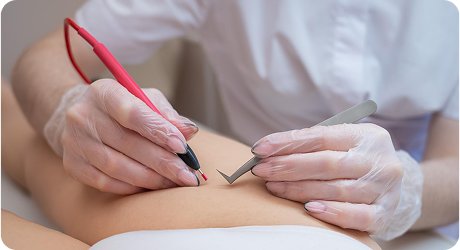
-
Perfect, individual-hair precision
-
Safe for all skin tones
-
Effective on all hair colors
-
Brief heat sensation
-
PERMANENT REMOVAL, NOT JUST REDUCTION
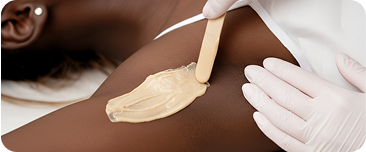
-
Approximate precision
-
All skin tones
-
All hair colors
-
Ripping sensation
-
Temporary results
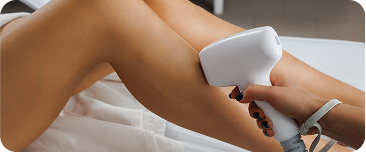
-
Approximate (~½” applicator) precision
-
Struggles with dark & tan skin
-
Limited on light, gray, red, or fine hair
-
Snapping sensation
-
Permanent reduction
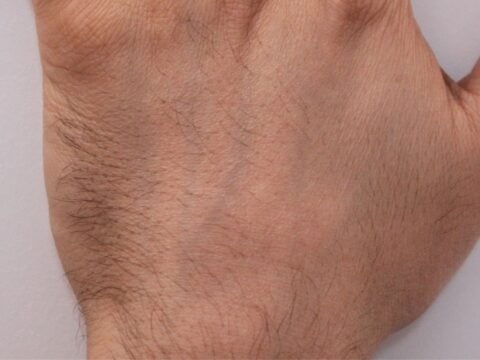
Electrolysis Results
See the visible reduction achieved through consistent electrolysis treatments over multiple sessions.
Results may vary depending on hair colors, treatment area, and consistency.
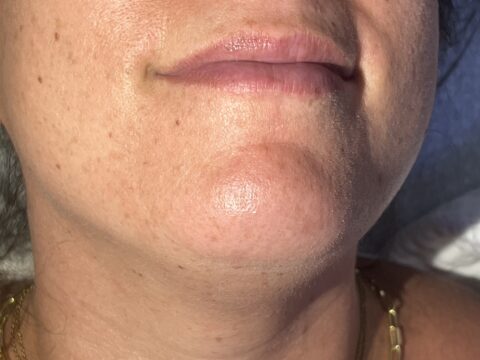 Before
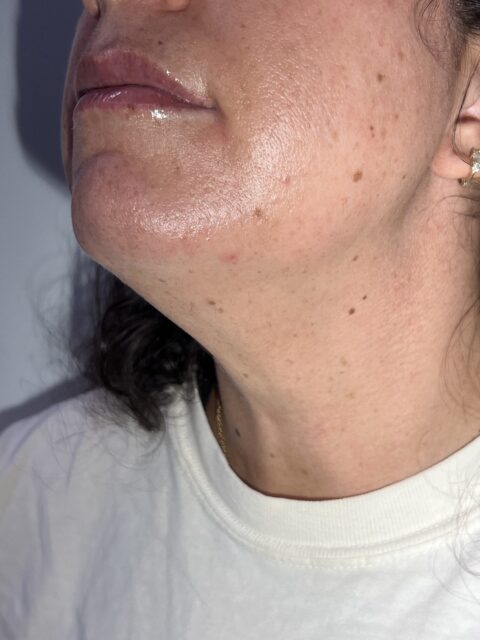 After 23 sessions
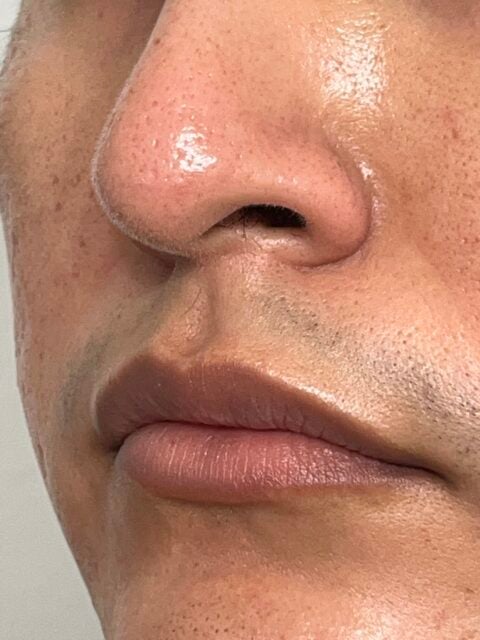 Before
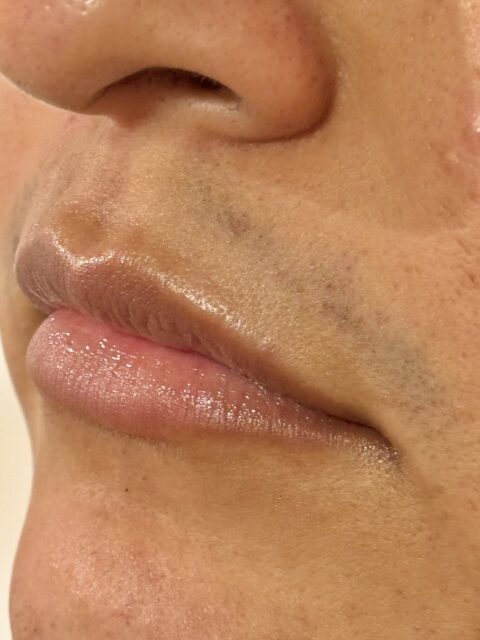 After 12 sessions
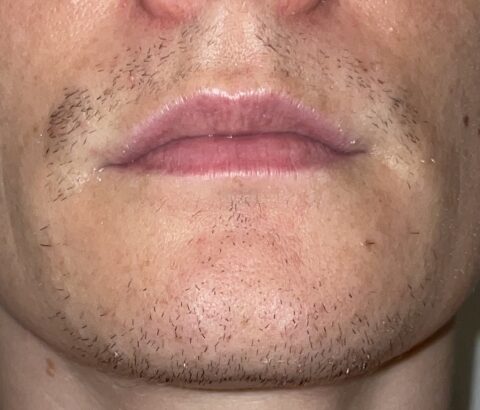 Before
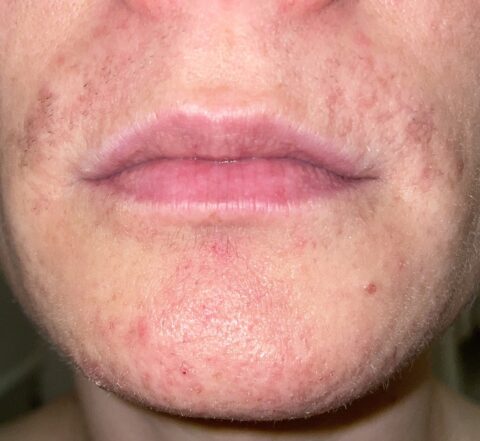 After 31 sessions
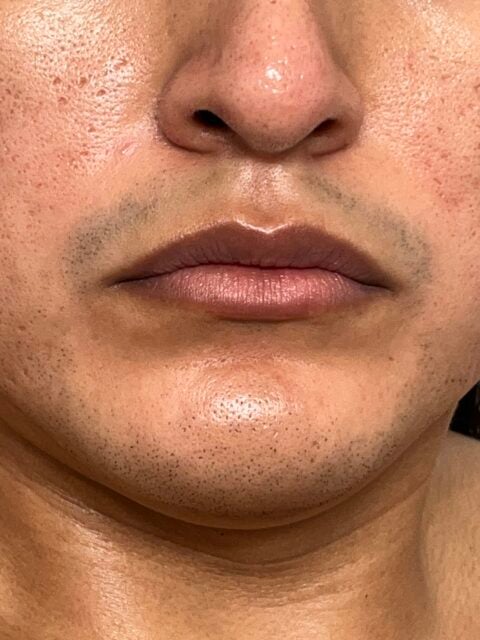 Before
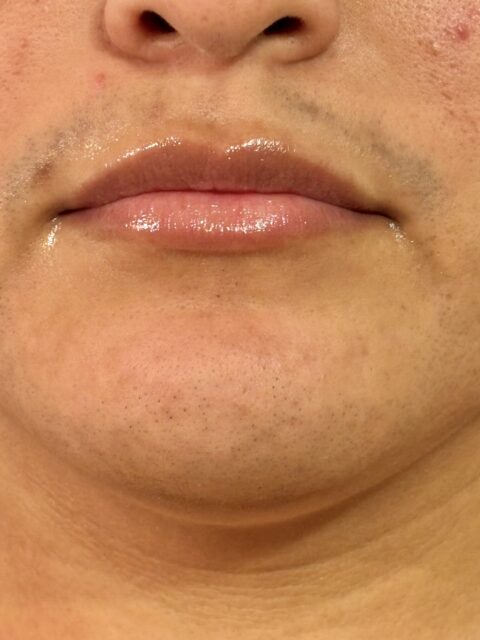 After 12 sessions
 Before
 After 1 session
 Before
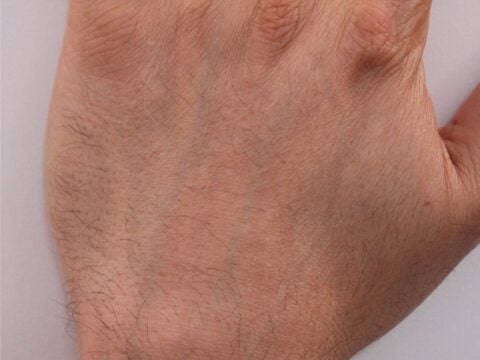 After 15 sessions
THE NIOS STANDARD

-
M.D. FOUNDED
Protocols designed by an M.D. We adhere to safety and hygiene standards that go beyond typical spa requirements.
-
SCIENCE, NOT SALES
Our technicians are paid to clear your skin, not to upsell you. No quotas, no pressure—just results.
-
CLINICAL-GRADE TECH
Apilus xCell Technology. We use the fastest, most precise epilators on the market.
-
RIGOROUS TRAINING
Expert hands only. Hand-picked and continuously tested. We hire for precision and keep for kindness.
-
OPEN 7 DAYS 9am–8pm
Locations across NYC with complimentary high-end sound healing systems. Your records sync across all of them, treat wherever is convenient.
THE TEAM
We are a multidisciplinary team of licensed estheticians, electrologists, engineers, creatives, and more—sharing expertise across disciplines and united by a single goal: You.











































YOUR QUESTIONS, OUR ANSWERS
-
Is cheek hair the same as peach fuzz? How do I know which page I'm on?
Not always—and the distinction matters for treatment planning. Peach fuzz refers to fine, soft vellus hair that covers the cheek surface broadly and is often too fine to target efficiently with electrolysis. Cheek hair in the context of this page means visible terminal or transitional hairs—coarser, darker, or lighter but present enough to locate with a probe—that have become noticeable as individual hairs rather than a general fuzz. If you’re unsure which profile applies to you, the consult is where we assess it directly.
Concierge Note:
Most clients who land on this page have both: a background of general fuzz and specific hairs that stand out from it. The specific hairs are electrolysis territory. The fuzz question is a separate conversation—see our Peach Fuzz page for how that profile is treated. At your Nios consult we assess both and map what falls into which category, so the plan matches what’s actually there. -
Can I permanently remove just a few specific cheek hairs?
Yes—targeted removal of specific recurring hairs is one of the most precise applications of electrolysis. The method treats individual follicles, so we can permanently close exactly the hairs you’re done managing without affecting surrounding skin or hair. Some clients want three follicles treated. Some want a broader zone addressed. The scope is determined at your consult based on what you observe and what we observe, not a fixed package.
Concierge Note:
Most clients find the specific hairs they can name—the one that keeps coming back under the cheekbone, the two that show on camera—are the entire scope of what they want treated. That’s a short, efficient protocol. Starting with the obvious ones and expanding from there is always an option. We don’t pressure volume; we map what you’re actually trying to solve. Ask your Nios esthetician at your consult what the realistic scope looks like. -
How many sessions does cheek electrolysis take?
It depends on the scope—how many hairs, how much surface area, and whether hormonal signals are driving new follicle activity over time. Targeting a handful of recurring strays resolves faster than clearing a broader zone. Hair grows in cycles, so sessions catch follicles as they become active. Most clients see meaningful reduction within the first consistent months of treatment. If a hormonal condition is part of the picture, the protocol extends—but treated follicles stay permanently closed.
Concierge Note:
We build timelines from your actual consult, not a generic estimate. The cheek tends to surprise clients on the more manageable end once the scope is defined—especially when the goal is specific strays rather than full coverage. Across our Manhattan, Brooklyn, Queens, and Union Square locations, we give you a realistic session range after we see your skin in person. Think compound interest: early consistency builds the result. -
Why doesn't laser work well on cheek hair?
Two reasons specific to this zone. First, cheek hair is often mixed in color—coarser visible strays alongside lighter transitional hairs—and laser can only target follicles with sufficient melanin contrast. The lighter fraction isn’t treated regardless of session count. Second, the cheek area carries meaningful pigmentation risk for darker skin tones when laser energy is applied; the melanin in the skin itself can absorb energy and cause post-inflammatory hyperpigmentation. Electrolysis targets each follicle individually with heat, independent of pigment and without broad surface energy delivery.
Concierge Note:
If laser has already treated your cheeks and left patchy coverage or lighter hairs behind, that’s the pigment ceiling—not a provider failure. Electrolysis finishes what laser can’t see. If skin tone was a factor in your hesitation around laser, that concern belongs to the method, not to you. Nios treats the architecture of the follicle regardless of what surrounds it. Book a consult and we’ll assess what’s left. -
My cheek hair has gotten noticeably worse over the last few years. Is that normal?
Yes—and it’s usually hormonal. Androgens can signal follicles in the cheek and jaw area to transition from producing fine vellus hair to coarser terminal growth, a shift that often becomes visible in the mid-thirties through perimenopause. PCOS accelerates this pattern. The change feels sudden because vellus hair is nearly invisible until it isn’t. Electrolysis permanently closes the follicles that have made this transition, regardless of when the shift started or what’s driving it.
Concierge Note:
The pattern is common, and the answer is the same regardless of when it started—the follicles that have transitioned can be permanently closed. New ones that activate with ongoing hormonal change get added to the protocol as they appear, not restarted from zero. If a hormonal condition is part of the picture, see our PCOS page for the full clinical context. Your Nios consult is where we map what parallel treatment looks like for your specific growth pattern. -
Is cheek electrolysis safe for darker skin tones?
Yes—electrolysis is safe for all skin tones. The probe delivers heat directly to the follicle structure, independent of the melanin in the skin surrounding it. There’s no broad surface energy delivery and no pigment-contrast requirement. This is a significant clinical distinction from laser, which carries real burn and hyperpigmentation risk in darker skin tones because laser energy is absorbed by melanin in the skin itself. Energy calibration, technique, and any history of post-inflammatory hyperpigmentation are all worth discussing at your consult so we pace and calibrate correctly from the start.
Concierge Note:
If darker skin tone was the reason you’ve been told laser isn’t safe for your cheeks—or why you’ve been cautious about facial hair removal generally—that’s a real concern with the right method applied to the wrong treatment. Electrolysis doesn’t have a skin tone ceiling. Nios treats the follicle and nothing else. Book a consult and we’ll assess your specific situation directly. -
What will my skin look like after cheek electrolysis?
Mild redness and small swelling around treated follicles are normal and typically settle within a few hours. The cheek is a large, visible surface, so we size sessions so the skin isn’t overworked in a single sitting—especially early in the protocol. Aftercare is straightforward: keep it clean, no picking, pause aggressive actives until the surface settles. If you have a history of post-inflammatory dark marks in this zone, flag it at your consult.
Concierge Note:
If prior hair removal methods have left texture, bumps, or hyperpigmentation on your cheeks, we plan around that from session one. We may recommend pairing early electrolysis sessions with our calming facials to keep inflammation down while follicles are permanently closed. Calm before clear applies here—especially on a zone this visible. Most clients find post-session skin settles well before their next appointment once session scope is calibrated to what their skin actually tolerates.
Related Solutions
Many similar clients also treat
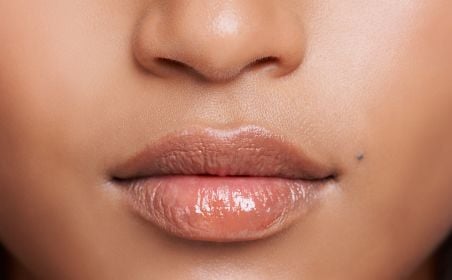
Upper Lip Electrolysis
The permanent solution for upper lip hair—fine fuzz, visible shadow, or coarser growth along the lip line. Safe for all skin tones. Effective on every hair color.
Learn More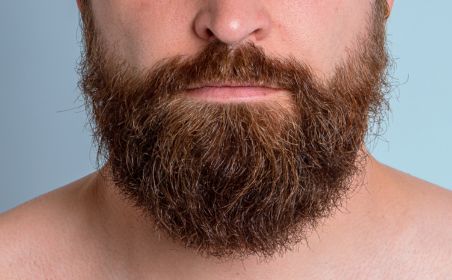
Beard Electrolysis
Permanent beard cleanup or full removal—electrolysis targets each follicle so you can stop chasing razor bumps and ingrowns.
Learn More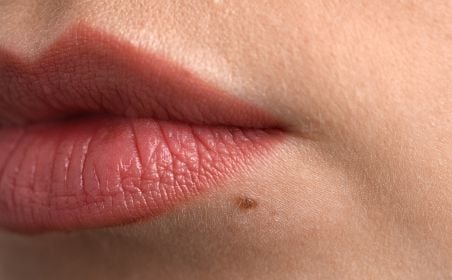
Pcos
When chin hair, neck stubble, or facial strays turn into a daily job, it’s time to stop managing hormones with a razor.
Learn MorePRICING
Electrolysis
Pricing goes by time
Junior Technician
$0
Senior Technician
$0
All Nios electrologists receive the same rigorous training. Senior electrologists offer more years of hands-on experience.
How Much Time Do I Need?
Electrolysis is billed by time, not body part, since every client’s hair density and treatment area are different.
-
Small areas
Lip, chin, eyebrows, fingers: ~5–30 minutes
-
Medium areas
Underarms, bikini: ~30–60 minutes
-
Large areas
Legs, chest, back, etc.: 60 to 120+ minutes
The exact timing varies from person to person — for example, underarms may take 30 minutes for one client and a full hour or more for another.
The best way to know what your treatment plan will look like is to book a free consultation, where we can assess your hair in person and give you a personalized estimate.
How many sessions do I need?
Hair grows in cycles—only active follicles can be treated, so multiple sessions are required. Most clients achieve permanent results within 12–18 months: twice a month at first, then monthly as hair thins.
Book a free consultation for a personalized estimate.
Client Testimonials


