

The Fear Here Is Less About Hair—and More About How Fast It Becomes a Daily Crisis.
For teens, unwanted hair rarely stays cosmetic. It becomes a school-year problem—comments, cameras, sports days, sleepovers, the constant question of “do they notice.” As a parent, you’re trying to do two things at once: protect their confidence and protect their skin. Nios takes both seriously. We don’t rush, we don’t over-treat, and we don’t sell a miracle. We map a plan that’s age-appropriate, realistic, and built around what your teen can actually tolerate.
Permanent Means Follicle-Level—Hair by Hair, on Purpose.
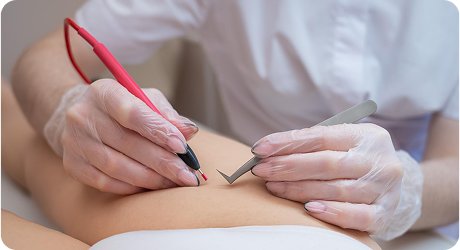
Electrolysis treats one follicle at a time with a fine, sterile probe and controlled heat. The hair releases, and over a series of sessions the follicle loses its ability to regenerate. That precision matters for younger clients—we can target exactly what’s bothering them without a blanket approach that inflames surrounding skin. Because the method doesn’t rely on pigment, it works on every hair color and skin tone—including the fine, blond, or mixed-texture growth that laser can’t address.

Less Time Managing It. More Time Not Thinking About It.
For teens, the goal isn’t a beauty routine—it’s relief. When a persistent area of unwanted hair is addressed permanently, most clients find the mental load around it simply disappears. No morning rituals, no planning around school photos or social situations, no watching it grow back. With consistent sessions, results compound. The area quiets. And the young person gets to think about something else entirely—which is the whole point.
This Isn’t Gatekeeping—It’s Timing.
Two non-negotiables before the clinical detail: we do not treat clients under 12, and clients under 18 require a legal guardian to attend and sign consent at the first session. Beyond that:
A lot of hair in adolescence is hormone-driven, and hormones can activate new follicles even while treatment is underway. Hormones may turn the lights on, but we shut the factory down—over time, with consistency. Electrolysis can be highly effective for teens, but the protocol has to respect growth cycles, skin sensitivity, and what’s stable versus still changing. If a hair pattern looks rapidly shifting, we may recommend monitoring first—so we’re treating what’s real, not what’s transient. For sudden or significant changes, a physician evaluation before or alongside treatment is the right call. We flag what we observe; assessment is your doctor’s role.

We Treat Tolerance Like a Strategy, Not a Test.
Post-treatment redness and minor swelling are normal for any client. For teens, we adjust: shorter sessions to establish comfort, conservative intensity, and a pace that respects both the skin barrier and a teenager’s actual schedule. We walk the parent or guardian through aftercare directly—younger clients are more likely to touch or pick at treated areas, which is the main risk to healing. We’d rather go slower and protect the surface than push through and compromise results. Your teen has agency in the room. We won’t proceed past what they can tolerate, and we’ll always tell you what we observed and what comes next.

Who is Teen Electrolysis for?
When unwanted hair is affecting school days, social situations, or your teen’s daily confidence—and you want a method built around their skin and pace, not an adult protocol—here’s who this is for.
- Has facial or body hair that’s become a genuine confidence and social issue—not a passing complaint.
- Gets irritation from shaving, waxing, or depilatory creams and needs a more permanent path.
- Has a specific area they want handled: upper lip, chin, sideburns, brows, or neck.
- Has mixed hair colors—blond, red, gray, fine—and wants one approach that covers all of it.
- Has PCOS or hormonal hair growth presenting in adolescence
- Needs privacy, predictability, and a provider who won’t make it weird.
- The hair pattern is rapidly changing—we may recommend monitoring first so we’re treating what’s real, not what’s transient.
- Skin is actively irritated, broken out, or inflamed in the target area—we’ll pause and pivot to a skin-calming protocol first.
- Your child is under 12—we don’t treat this age group, and we’ll tell you that directly rather than work around it.

Electrolysis vs Waxing vs Laser Hair Reduction
Waxing is temporary, laser is partial, electrolysis is permanent. Different tools, different results.
-
Perfect, individual-hair precision
-
Safe for all skin tones
-
Effective on all hair colors
-
Brief heat sensation
-
FDA-RECOGNIZED PERMANENT REMOVAL
-
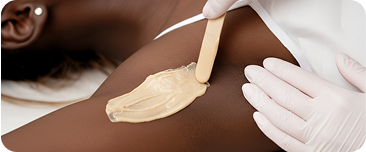
Approximate precision
-
All skin tones
-
All hair colors
-
Ripping sensation
-
Temporary results

-
Approximate (~½” applicator) precision
-
Struggles with dark & tan skin
-
Limited on light, gray, red, or fine hair
-
Snapping sensation
-
Permanent reduction
Electrolysis Results
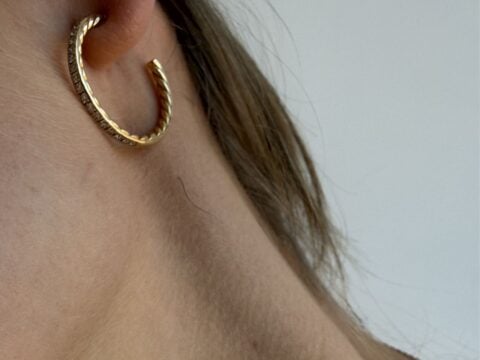
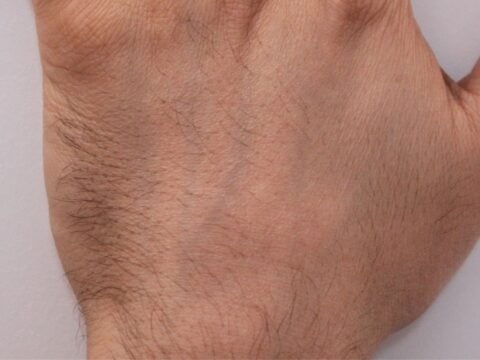
See the visible reduction achieved through consistent electrolysis treatments over multiple sessions.
Results may vary depending on hair type, treatment area, and consistency.
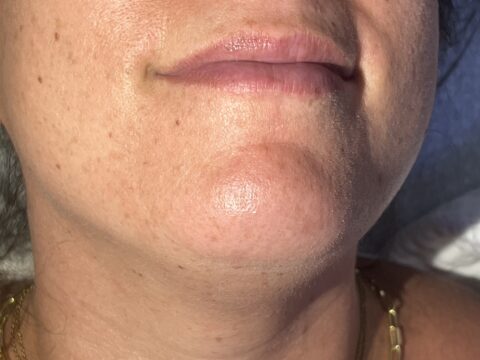 Before
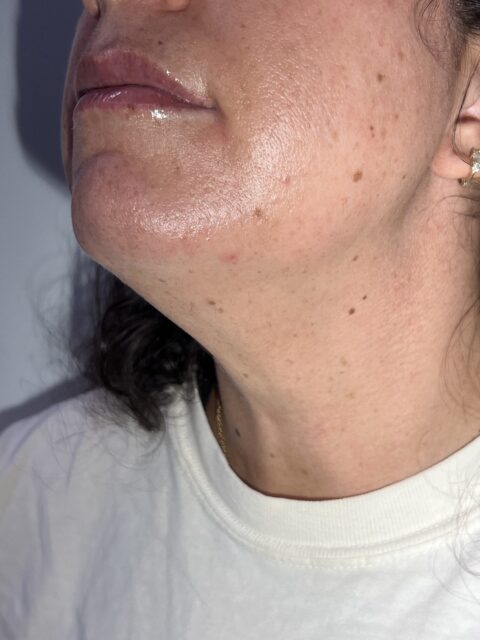 After 23 sessions
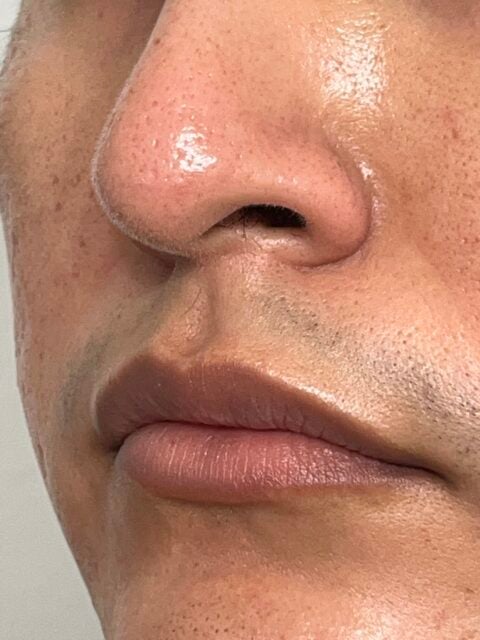 Before
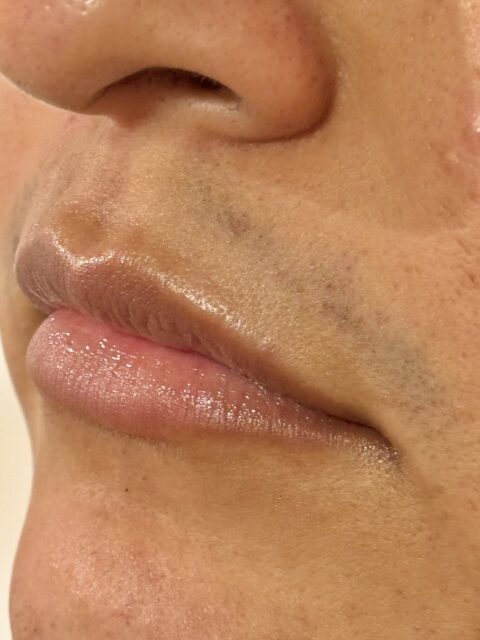 After 12 sessions
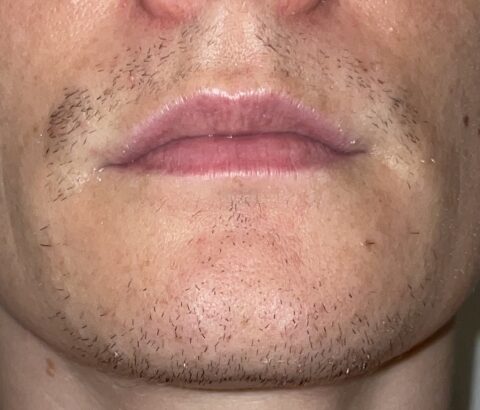 Before
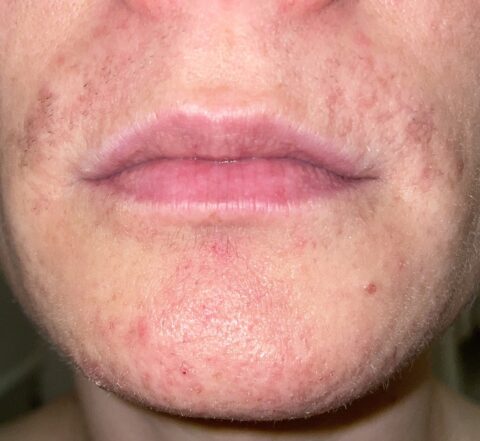 After 31 session
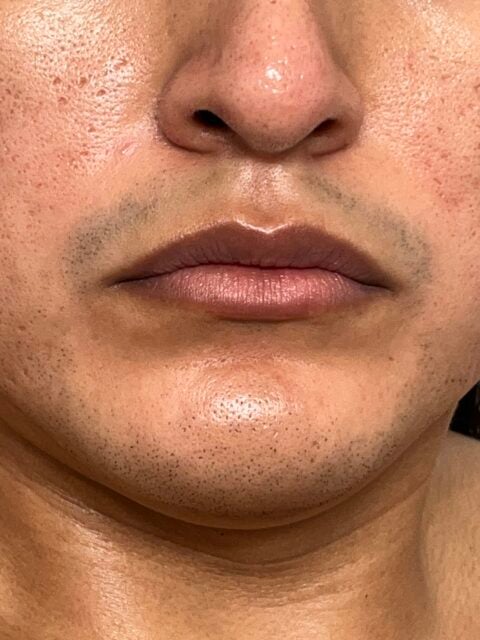 Before
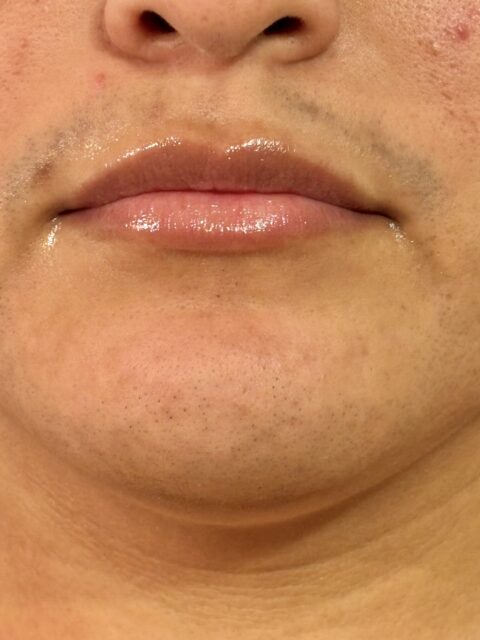 After 12 sessions
 Before
 After 1 session
 Before
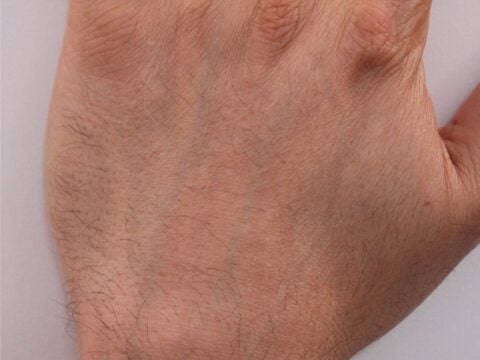 After 15 sessions
The NIOS Standard

-
M.D. Founded
Protocols designed by an M.D.. We adhere to safety and hygiene standards that go beyond typical spa requirements.
-
Science,not sales
Our technicians are paid to clear your skin, not to upsell you. No quotas, no pressure—just results.
-
Clinical-Grade tech
Apilus xCell Technology. We use the fastest, most precise epilators on the market.
-
Rigorous training
Expert hands only. Hand-picked and continuously tested. We hire for precision and keep for kindness.
-
Open 7 days 9am–8pm
Locations across NYC with complimentary high-end sound healing systems. Your records sync across all of them, treat wherever is convenient.
The Team
We are a multidisciplinary team of healthcare experts, licensed estheticians, electrologists, engineers, creatives, and more—sharing expertise across disciplines and united by a single goal: You.













































Your Questions,
Our Answers
-
Is electrolysis safe for teens?
Electrolysis is safe for teens when technique, pacing, and aftercare are calibrated correctly. Conservative sessions—controlled energy, shorter duration, skin-appropriate sequencing—minimize risk. We walk parents and guardians through aftercare directly because the main healing risk isn’t the treatment; it’s what happens in the twenty-four hours after.
Concierge Note:
Younger clients feel sensation more acutely and are more likely to touch treated areas afterward. The consult isn’t just about readiness—it’s about whether now is the right time or whether a short-term grooming plan is smarter to start. Book a Nios consult in Manhattan, Brooklyn, Queens, or Union Square to map your strategy. -
What if my teen is currently shaving, waxing, or using hair removal creams?
Current removal method directly affects treatment readiness. Shaving often triggers ingrowns and irritation; waxing can inflame the follicle; depilatory creams stress a younger skin barrier. If the surface is reactive, we stabilize first—then layer electrolysis in when conditions support it. We never treat on top of active irritation.
Concierge Note:
The question isn’t which method is worst—it’s what the skin is telling us right now. If your teen’s skin is angry, calm before clear is the rule. We’ll pivot to our Calming Facial first, then layer in electrolysis once the barrier cooperates. Ask your Nios electrologist at the consult. -
Why electrolysis instead of laser for a teenager?
Laser targets melanin in the hair shaft—it cannot treat fine, light, blond, red, or gray hair. Many adolescents have early-stage growth that’s variable in texture and lighter in pigment, making them poor laser candidates. Electrolysis targets the follicle directly, independent of pigment or skin tone—no exceptions.
Concierge Note:
Laser gets you part of the way; Nios electrolysis finishes the job. If your teen has been through rounds and still has the “why is this still here” hairs, that’s your answer. Mixed types, variable pigment, lighter hair—this is what electrolysis was built for. We solve it across our four NYC locations. -
My teen has PCOS or hormonal hair growth—does that change the plan?
Yes—the protocol stays effective, but the timeline shifts. PCOS and other hormonal conditions can continue activating new follicles during treatment, so the plan is sustained rather than a fixed short course. Treated follicles stay permanently closed; new arrivals get addressed as they appear. Electrolysis runs in parallel with medical management—no need to wait for hormones to stabilize before starting.
Concierge Note:
Many parents bring teens to Nios specifically because PCOS-related hair growth is affecting confidence at school. See our PCOS Electrolysis page for the full clinical context. Your consult is where we map what parallel treatment looks like for your teen’s specific growth pattern. -
Will new hair grow back after treatment?
We permanently destroy treated follicles—they don’t regenerate. But adolescent hormones can activate dormant, untreated follicles, producing new growth that has nothing to do with what we’ve already treated. This isn’t a failure of method; it’s puberty at work. We treat what’s present and return as new growth emerges.
Concierge Note:
Hormones may turn the lights on, but we shut the factory down—follicle by follicle. Most families find the overall picture improves steadily as hormones stabilize, and the need for sessions drops naturally. Think of it like compound interest: the early sessions carry the most weight. -
What will the skin look like after a session?
Expect temporary redness and mild swelling around treated follicles—most pronounced on the face. This is a normal inflammatory response that typically resolves within a few hours to a day. Most clients return to their regular routine immediately. Plan for a short window where skin looks worked on.
Concierge Note:
The anticipation is usually worse than the reality. We’ll build sessions around school events, performances, and anything with a camera—just flag it at the consult. The planning conversation exists for exactly this reason. Skin that gets consistent care looks better than skin that never did. -
How many sessions will my teen need?
Session count depends on area size, hair density, and where your teen is hormonally. Smaller, targeted areas resolve faster; larger or denser areas take longer. Adolescent hormones can continue activating new follicles, which extends the timeline compared to treating the same area in adulthood. Realistic estimates come from the consult.
Concierge Note:
We’d rather give you an honest scope than an optimistic number that falls apart by session three. At Nios, the consult is where we set expectations—not sell a package. Most clients find the commitment more manageable once they see the actual roadmap. That’s the point of the conversation.
Related Solutions
Many similar clients also treat
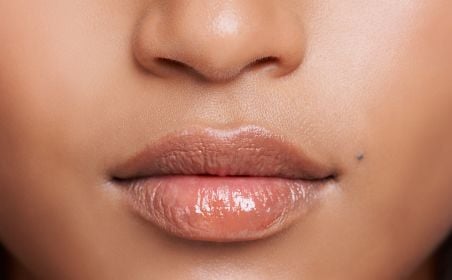
Upper Lip Electrolysis
The permanent solution for upper lip hair—fine fuzz, visible shadow, or coarser growth along the lip line. Safe for all skin tones. Effective on every hair color.
Learn More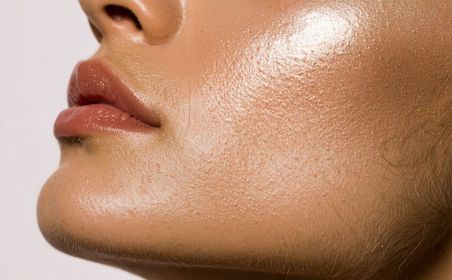
Lip chin facial hair removal
Threading schedules, daily mirror checks, emergency tweezing—if facial hair is running your routine, electrolysis closes each follicle permanently.
Learn More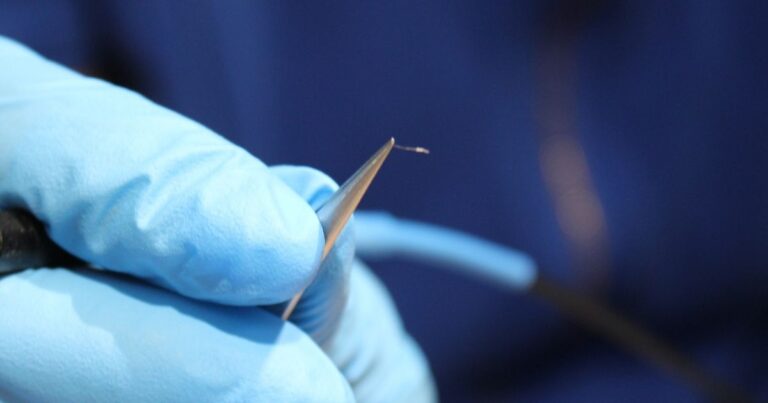
Home permanent hair removal
Learn MorePricing
Electrolysis
Pricing goes by time
Junior Technician
$0
Senior Technician
$0
All Nios electrologists receive the same rigorous training. Senior electrologists offer more years of hands-on experience.
How Much Time Do I Need?
Electrolysis is billed by time, not body part, since every client’s hair density and treatment area are different.
-
Small areas
Lip, chin, eyebrows, fingers: ~5–30 minutes
-
Medium areas
Underarms, bikini: ~30–60 minutes
-
Large areas
Legs, chest, back, etc.: 60 to 120+ minutes
The exact timing varies from person to person — for example, underarms may take 30 minutes for one client and a full hour or more for another.
The best way to know what your treatment plan will look like is to book a free consultation, where we can assess your hair in person and give you a personalized estimate.
How many sessions do I need?
Hair grows in cycles—only active follicles can be treated, so multiple sessions are required. Most clients achieve permanent results within 12–18 months: twice a month at first, then monthly as hair thins.
Book a free consultation for a personalized estimate.
Client Testimonials


