

The At-Home Hair Removal Cycle Never Actually Ends. That’s the Problem.
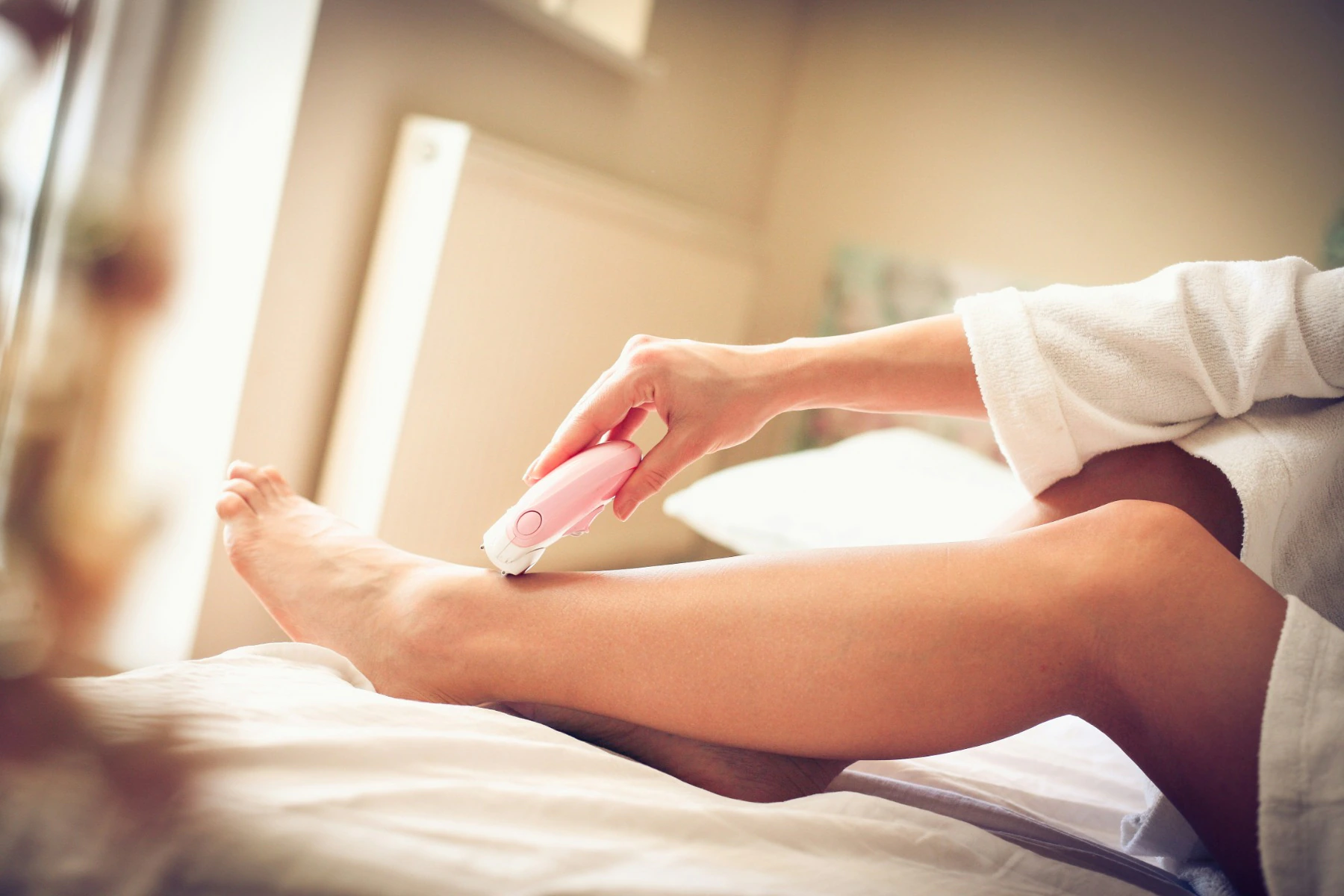
From epilator pens to DIY IPL kits, at-home devices promise the moon and usually deliver inconsistent, short-lived results. Most are limited in power and precision—a poor match for coarse, stubborn, or hormonally driven hair (looking at you, chin whiskers). Many also aren’t safe for deeper skin tones or sensitive areas, leaving users open to irritation or pigmentation issues. The result is a routine you reset every few days, forever. Electrolysis permanently closes the follicle. No hair, no cycle, no daily reset.
“Home Laser” and IPL Are Deliberately Underpowered—So Results Stay Partial.
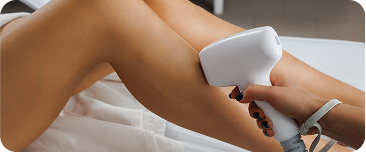
At-home IPL, diode wands, and electrolysis-style gadgets all claim to target the follicle and slow regrowth. They’re convenient for small areas, but they’re manufactured at reduced power settings to minimize risk—understandably, since no one wants a bathroom burn. That safety margin comes at a cost: weaker energy that rarely reaches true permanence (Cleveland Clinic). And like in-clinic laser, these light-based devices need melanin contrast to work at all—so light, gray, red, and fine hairs are essentially invisible to them.

Professional Electrolysis Is the Only FDA-Recognized Permanent Removal.
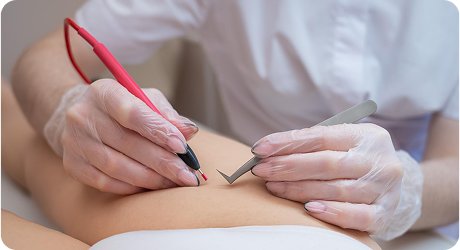
Electrolysis inserts a fine, sterile, bendy probe into each follicle and delivers a controlled pulse to the growth center, permanently disabling regrowth. Because it targets the follicle directly rather than chasing pigment, it works on every hair color and every skin tone—the white, gray, red, and fuzz hairs no home device can address. No batteries dying mid-treatment, no shaving every other day. Whether it’s your chin, bikini line, legs, or the tiniest peach fuzz, our electrologists close the follicle for good.
Who is Professional Electrolysis for?
When at-home devices have you stuck in an endless maintenance loop—inconsistent results, irritation, hairs that always come back—permanent closure changes the whole equation.
- Have tried home IPL, diode wands, epilators, or wax kits and are tired of short-lived, inconsistent results.
- Have coarse, stubborn, or hormonally driven hair (chin, lip, bikini) that home devices can’t fully handle.
- Have light, gray, red, or fine hair that light-based home devices physically can’t target.
- Have a deeper or tan skin tone and want a permanent method without the pigmentation risk home lasers carry.
- Want a real end point—permanent removal—rather than a routine you reset every few days.
- Skin has active irritation, open bumps, or infection in the area—we let it settle first.
- You’ve had recent at-home or in-clinic laser on the zone and skin is still recovering.

Electrolysis vs Waxing vs Laser Hair Reduction
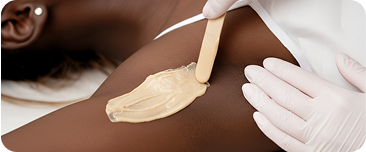
Waxing is temporary, laser is partial, electrolysis is permanent. Different tools, different results.
-
Perfect, individual-hair precision
-
Safe for all skin tones
-
Effective on all hair colors
-
Brief heat sensation
-
FDA-RECOGNIZED PERMANENT REMOVAL
-
Approximate precision
-
All skin tones
-
All hair colors
-
Ripping sensation
-
Temporary results
-
Approximate (~½” applicator) precision
-
Struggles with dark & tan skin
-
Limited on light, gray, red, or fine hair
-
Snapping sensation
-
Permanent reduction
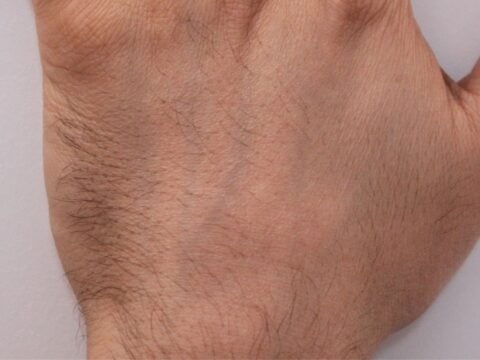
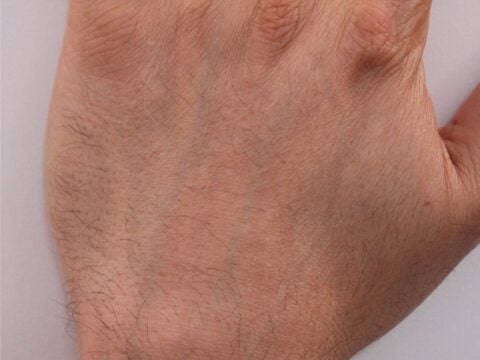
Electrolysis Results
See the visible reduction achieved through consistent electrolysis treatments over multiple sessions.
Results may vary depending on hair type, treatment area, and consistency.
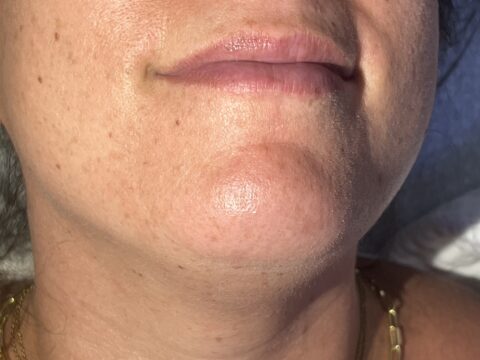 Before
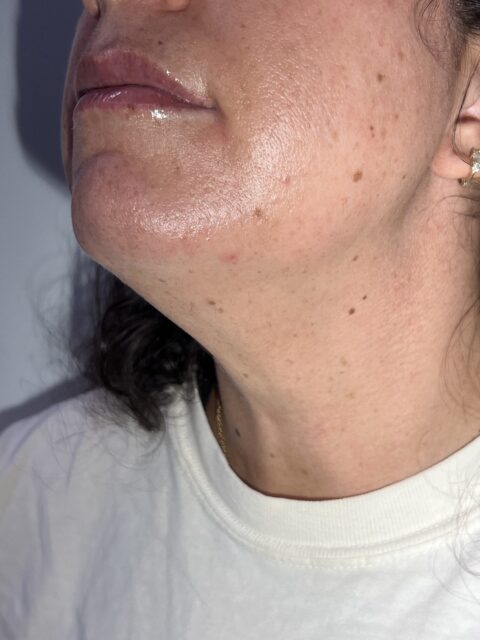 After 23 sessions
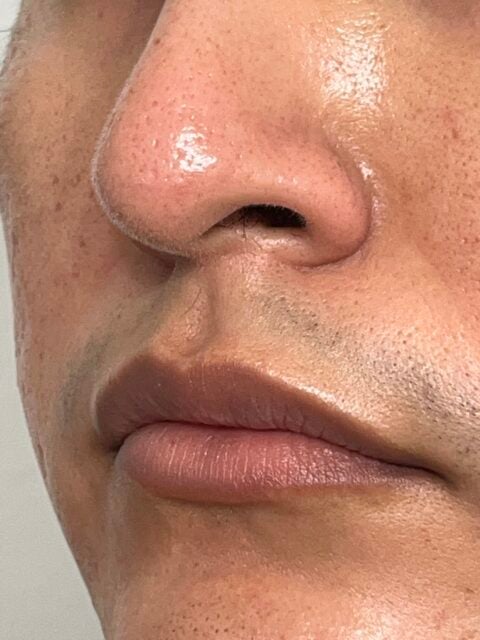 Before
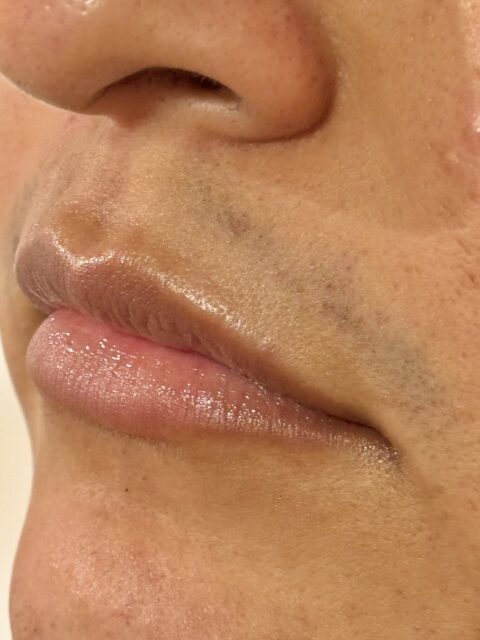 After 12 sessions
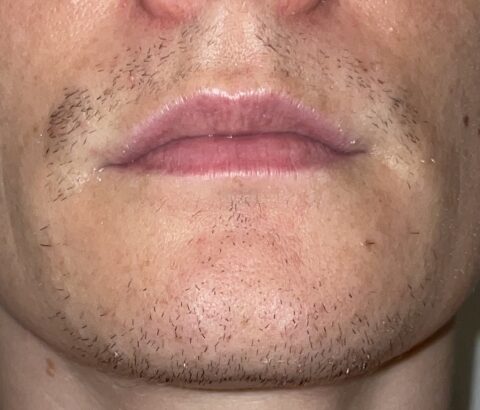 Before
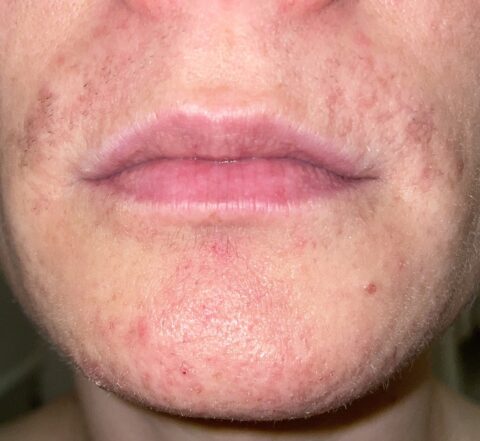 After 31 session
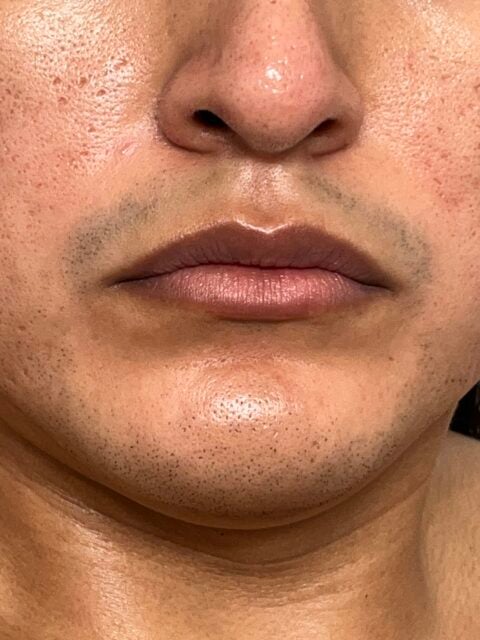 Before
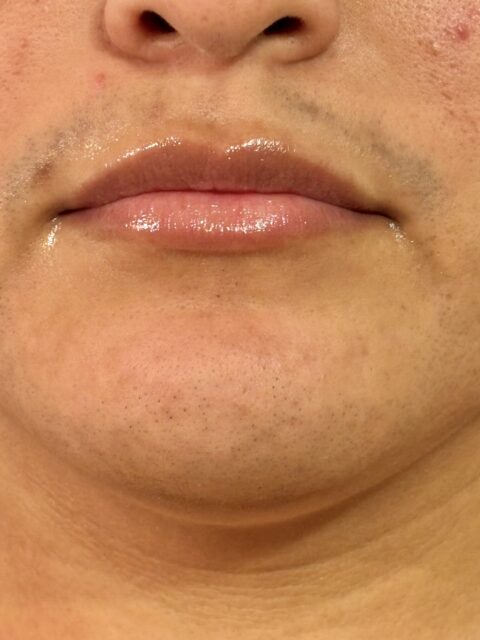 After 12 sessions
 Before
 After 1 session
 Before
 After 15 sessions
The NIOS Standard

-
M.D. Founded
Protocols designed by an M.D.. We adhere to safety and hygiene standards that go beyond typical spa requirements.
-
Science,not sales
Our technicians are paid to clear your skin, not to upsell you. No quotas, no pressure—just results.
-
Clinical-Grade tech
Apilus xCell Technology. We use the fastest, most precise epilators on the market.
-
Rigorous training
Expert hands only. Hand-picked and continuously tested. We hire for precision and keep for kindness.
-
Open 7 days 9am–8pm
Locations across NYC with complimentary high-end sound healing systems. Your records sync across all of them, treat wherever is convenient.
The Team
We are a multidisciplinary team of healthcare experts, licensed estheticians, electrologists, engineers, creatives, and more—sharing expertise across disciplines and united by a single goal: You.











































Your Questions,
Our Answers
-
Do at-home IPL and laser devices actually work?
They can slow regrowth on the right hair, but they rarely deliver true permanence. Home devices are deliberately built at low power settings for safety, which means weaker results than professional treatment. They also rely on melanin contrast, so they underperform on light, gray, red, or fine hair and carry pigmentation risk on tan and dark skin. For many people, the result is a thinner version of the same maintenance cycle—not an end to it.
Concierge Note:
If a home device has slowed things down but never finished the job, that’s expected—the leftover hairs are usually the ones light-based tools can’t see. Book a Nios consult and we’ll assess what a finishing protocol looks like. -
Is electrolysis better than at-home waxing or sugaring?
Waxing and sugaring remove hair from the surface, so they’re temporary by design—the follicle is untouched and regrowth always follows. Repeatedly pulling hair can also trigger ingrowns and irritation over time. Electrolysis closes the follicle permanently, hair by hair, so the cycle ends rather than resets. Different tools, genuinely different results.
Concierge Note:
Home wax kits are fine for a quick fix, but if you’re doing them on repeat for the same area, the lifetime cost in time and product quietly overtakes finishing the area permanently. See our Electrolysis vs. Waxing comparison for the long view. -
Why can’t home lasers treat my light, gray, or red hair?
Light-based devices—whether in-clinic or at-home—target the pigment in the hair shaft. Light, gray, red, and fine hairs don’t have enough pigment for the device to detect, so it can’t deliver meaningful energy to those follicles. No amount of repeat sessions changes that; you’d be pointing a pigment-seeking tool at hair with no pigment. Electrolysis works mechanically on the follicle itself, so color is irrelevant.
Concierge Note:
This is the single most common reason people switch to electrolysis after a home device or after in-clinic laser. The hairs that remain are a predictable profile electrolysis is built for. -
Are at-home devices safe for darker skin tones?
Many home IPL and laser devices explicitly warn against use on deeper skin tones, because higher melanin in the skin absorbs the light non-selectively—raising the risk of burns and pigment changes. Even where a device is “rated” for darker skin, the low power that makes it safer also makes it less effective. Electrolysis carries no pigmentation risk and works on all skin tones without exception.
Concierge Note:
If you have a deeper or tan skin tone, electrolysis sidesteps the core problem with light-based devices entirely. Your free consult is a no-pressure way to see how your skin responds. -
Is professional electrolysis worth it if home devices are cheaper?
A single home device looks cheaper than a course of electrolysis—until you count time. Home tools never stop costing you: the device, the refills, and the hours spent every few days, indefinitely. Electrolysis is front-loaded—you invest over a course of sessions, and then treated follicles are done, with no upkeep. Over the years, the running cost of “cheap” maintenance quietly passes the one-time cost of finishing.
Concierge Note:
If budget is the concern, start with your highest-priority area—lip, chin, or wherever bothers you most—and expand as results build. You don’t have to commit to everything on day one. We’ll map a realistic scope at your consult. -
Can I keep doing my own at-home routine between sessions?
You can shave between electrolysis sessions—that’s completely fine and won’t affect results. What to avoid is tweezing, waxing, or epilating the area being treated, because pulling hair from the root distorts the follicle and makes electrolysis harder. We’re not here to kill your self-care vibe; we’ll simply tell you which at-home habits help and which ones work against the protocol.
Concierge Note:
Think of shaving as the maintenance that’s compatible with electrolysis, and pulling-based methods as the ones to pause. Your electrologist will give you the simple do/don’t list at your first visit.
Related Solutions
Many similar clients also treat
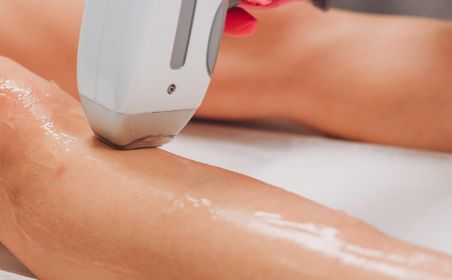
Laser vs electrolysis permanent hair removal
Both are marketed as permanent. One is FDA-cleared for permanent reduction. The other is FDA-recognized for permanent removal.
Learn More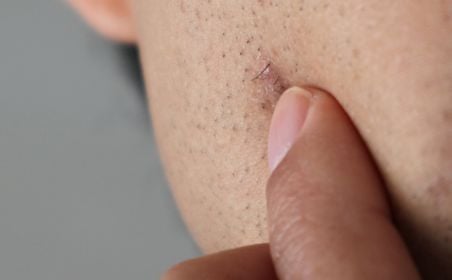
Ingrown hair razor bumps pseudofolliculitis removal
Razor bumps aren’t random—they’re a system. Electrolysis ends the cycle at the source.
Learn More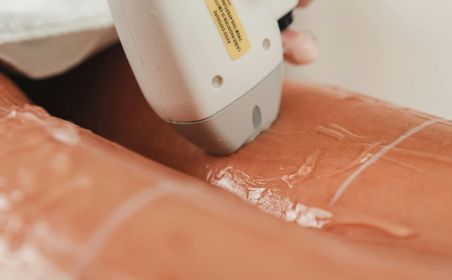
After Laser Didn’t Work
Laser has a pigment ceiling. If your hair came back, never cleared, or got worse after laser treatment—electrolysis targets the follicle directly.
Learn MorePricing
Electrolysis
Pricing goes by time
Junior Technician
$0
Senior Technician
$0
All Nios electrologists receive the same rigorous training. Senior electrologists offer more years of hands-on experience.
How Much Time Do I Need?
Electrolysis is billed by time, not body part, since every client’s hair density and treatment area are different.
-
Small areas
Lip, chin, eyebrows, fingers: ~5–30 minutes
-
Medium areas
Underarms, bikini: ~30–60 minutes
-
Large areas
Legs, chest, back, etc.: 60 to 120+ minutes
The exact timing varies from person to person — for example, underarms may take 30 minutes for one client and a full hour or more for another.
The best way to know what your treatment plan will look like is to book a free consultation, where we can assess your hair in person and give you a personalized estimate.
How many sessions do I need?
Hair grows in cycles—only active follicles can be treated, so multiple sessions are required. Most clients achieve permanent results within 12–18 months: twice a month at first, then monthly as hair thins.
Book a free consultation for a personalized estimate.
Client Testimonials


