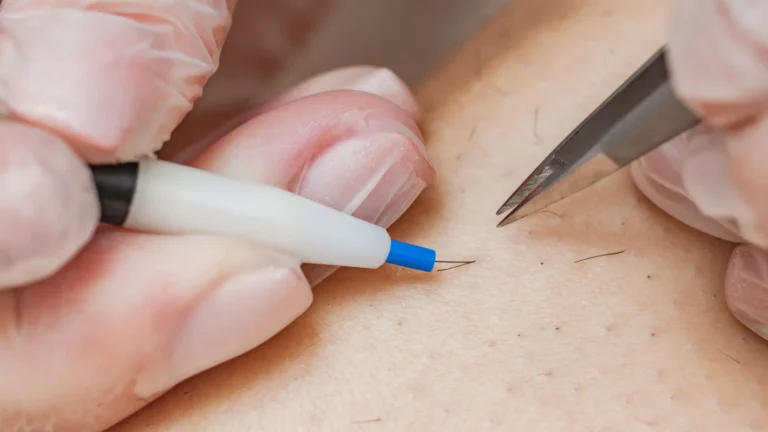
5 Ways To Get Rid of Unwanted Hair At Home…And What You Need To Know About Them
When it comes to hair removal, it’s worth exploring all of your options.
The practical version: how to clear one safely, what causes them, and when to stop picking and see someone.
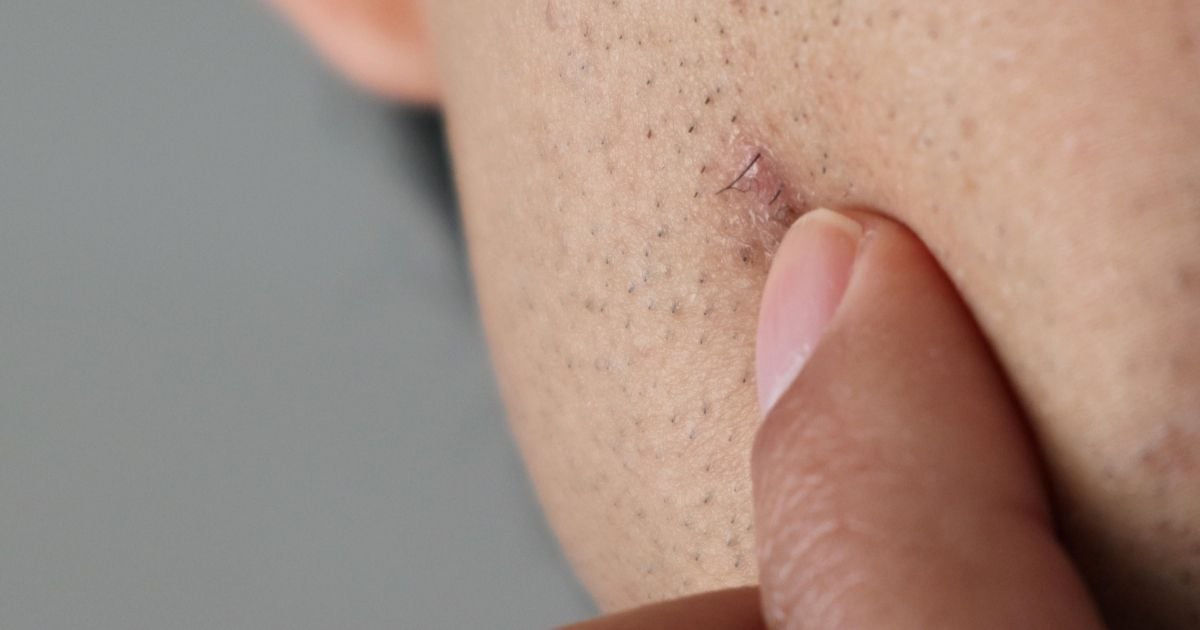
You can feel it before you can see it—that tender little bump where a hair should have grown out and instead curled back into the skin. The instinct is to grab tweezers and dig. Resist it. Digging is how a minor ingrown becomes a scar, a dark mark, or an infection. Here’s how to actually deal with one without making it worse, and how to stop the cycle if they keep coming back.
Quick reassurance first: ingrown hairs are extremely common, rarely serious, and usually clear on their own. The goal of this guide is to help you speed that along safely—and to know the small number of situations where a bump needs more than patience.
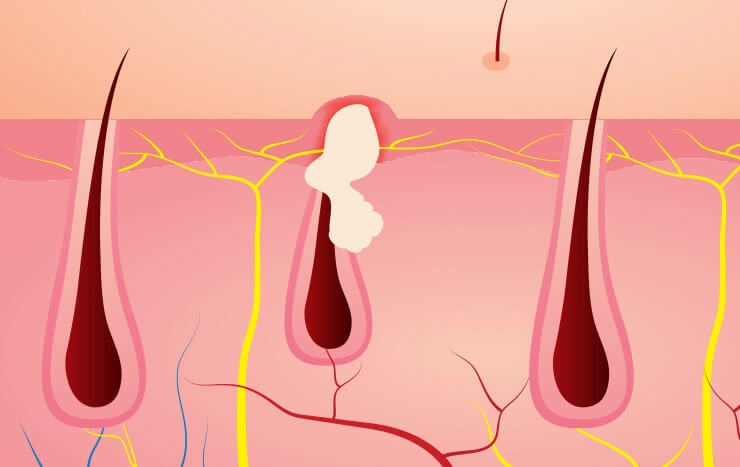
An ingrown hair is simply a hair that, instead of growing up and out of the follicle, grows sideways or curls back into the skin. Your body reads the trapped hair as a foreign object and responds with inflammation—a small, often pus-topped red bump that can be tender or itchy. The medical name for the recurring, razor-related version is pseudofolliculitis, and it’s mechanical, not infectious—which matters for how you treat it.
Most ingrowns trace back to one of a few causes, and they often stack:
Hair texture. Coarse, curly, or tightly coiled hair is structurally more likely to curl back into the skin as it regrows. This is why ingrowns are so common in the beard area and bikini line, and why people with curlier hair get them more often.
Hair removal method. Shaving cuts hair at a sharp angle that can re-enter the skin; waxing and tweezing pull hair out by the root, and the new hair growing into an empty, sometimes-damaged follicle can get misdirected. Every pass can restart the cycle.
Dead skin buildup. When dead skin cells clog the top of a follicle, they can trap the emerging hair beneath the surface and force it sideways.
Friction. Tight clothing that rubs freshly shaved areas—especially around the bikini line—can push hairs back into the skin.
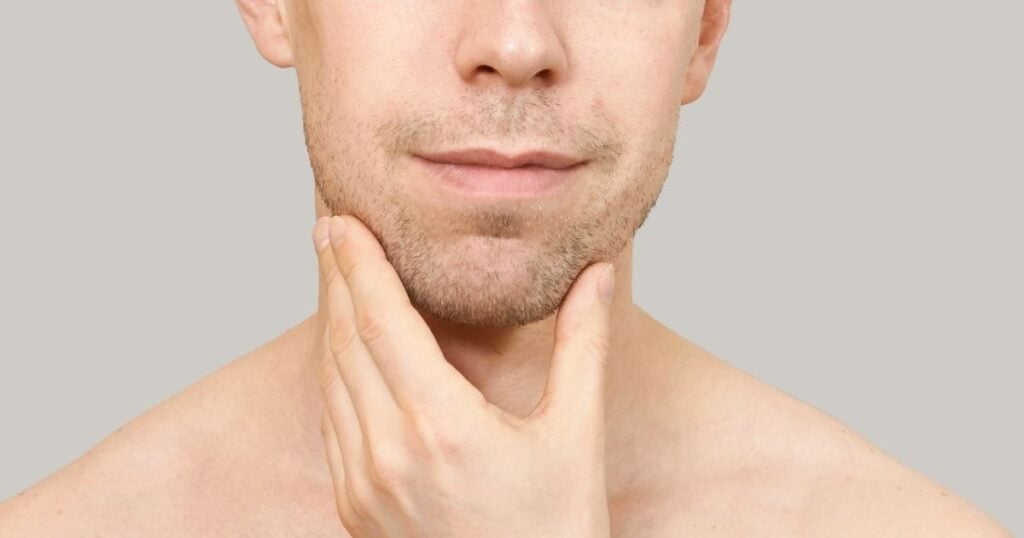
Yes. Shaving is the most common trigger, but it isn’t the only one. Anyone can get an occasional ingrown from dead-skin buildup, friction, or naturally curly hair re-entering the skin—no razor required. Waxing, tweezing, and even just very coarse hair growing through clogged follicles can all produce them. So if you’ve sworn off shaving and still get the odd bump, you’re not doing anything wrong; the follicle is just doing what follicles sometimes do.
If you can see the hair and the bump isn’t infected, here’s the safe sequence. The whole philosophy: coax, don’t carve.
1. Stop removing hair in the area. Give it a break from shaving, waxing, and tweezing so you’re not adding new trauma while it heals.
2. Warm compress. Hold a clean, warm, damp cloth on the bump for a few minutes, a few times a day. The warmth softens the skin, calms inflammation, and often coaxes the hair closer to the surface on its own.
3. Gentle exfoliation. Light, gentle exfoliation can help clear the dead skin trapping the hair. Be gentle—aggressive scrubbing makes inflammation worse, not better.
4. Let it surface—don’t dig. If the loop of the hair works its way to the surface on its own, you can gently ease it out with clean tweezers. If it hasn’t surfaced, leave it alone. Digging beneath intact skin to fish out a hair is the single fastest way to cause scarring, dark marks, and infection.
5. Be patient. Most ingrown hairs resolve on their own within a week or so once you stop irritating the area.

When the hair is buried and there’s no visible loop at the surface, the rule is simpler: don’t go after it. There’s nothing to safely grab, and trying to dig one out almost always causes the trauma you’re trying to avoid. Stick to warm compresses and gentle care, stop removing hair in the area, and give it time—deep ingrowns usually work themselves out as the skin calms and the hair grows. If a deep bump is large, increasingly painful, or not improving after a week or two, that’s a reason to see a professional rather than escalate your own efforts.
Most ingrowns are mildly inflamed, not infected—but it’s worth knowing the difference. A simple ingrown is a small, tender red bump. Signs that a bump may be infected, or may be folliculitis (an actual infection of the follicle) rather than a simple ingrown, include spreading redness or warmth, significant or growing pain, pus beyond a tiny white tip, or a bump that keeps enlarging. If you see those, skip the home remedies and see a doctor—infections need medical treatment, not tweezers. The same goes for any bump that’s weeping, crusting, or spreading.
Clearing one ingrown is easy. The real frustration is the cycle—especially if you get them constantly in the same areas. A few changes genuinely lower the frequency:
But here’s the honest limit of all of the above: every one of these tips manages the symptom. As long as there’s a hair growing in an ingrown-prone follicle, the possibility of it curling back is always there. The only way to end the cycle in a given spot permanently is to remove the follicle itself—which is what electrolysis for chronic ingrown hairs and razor bumps does. A fine probe disables the follicle so no hair grows there to ingrow in the first place. No follicle, no ingrown. Because it works on the follicle directly rather than targeting pigment, it’s also effective on the coarse, curly, and dark or mixed-color hair most prone to ingrowns, and on every skin tone—including the deeper skin tones where laser carries real pigmentation risk in these areas.
Should I pop an ingrown hair?
The urge to dig is universal and so is the regret, since most of the long-term marks people dislike come from picking rather than from the ingrown itself. If you are fighting the same spots over and over, that is worth a different conversation than tweezers.
How long does an ingrown hair take to go away?
Healing speed depends a great deal on leaving it alone, because every time you pick, the clock resets. If patience is not working and the same areas keep flaring, the issue is usually the follicle itself rather than your aftercare.
Why do I get ingrown hairs in the same spots every time?
The bikini line and the beard area are the two spots we hear about most, since they combine coarse hair, curl, and friction. Permanently closing the handful of follicles that keep misbehaving is often less work than people expect, and we map exactly which ones at your first visit.
Does laser treatment stop ingrown hairs?
The people most plagued by razor bumps are frequently the same people laser serves least safely, which is a structural mismatch rather than a coincidence. Electrolysis has no pigment floor and no skin-tone ceiling, and you get an honest read on what permanent clearance looks like at the consultation.
If the occasional ingrown is your whole problem, the steps above will handle it. But if you’ve been managing the same bumps in the same places for years—serums, special razors, careful technique, and they still come back—that’s the follicle’s doing, and managing it isn’t the same as ending it. Permanent ingrown hair removal with electrolysis closes the source so the cycle stops. We’ve treated every ingrown-prone area across our Manhattan, Brooklyn, and Astoria locations.
Tired of the same bumps in the same spots? Book a free consultation and we’ll map a plan to end the cycle for good.