

We Distinguish Between Sensation and Pain. That Distinction Matters Practically.
Electrolysis involves a quick heat pulse at each follicle—you will feel something. Most clients describe it as a brief pinprick, warmth, or sting at the point of insertion. That’s sensation: it’s real, it’s transient, and it ends with the pulse. Pain is sustained, escalating, and hard to manage. Our goal is to keep you in the sensation zone, not push you into the pain zone. We calibrate between every insertion. If something runs hot, we adjust before the next one.
Not Every Area Feels the Same. Here’s What to Expect.
Sensitivity varies significantly by zone—anatomy, nerve density, follicle depth, and skin thickness all affect how a pulse registers. The upper lip, inner bikini line, and areas near cartilage (ears, nose) tend to run more sensitive. The back, legs, arms, and scalp are typically less reactive. Within any zone, denser hair or deeper follicles may feel stronger than fine or surface-level growth. Knowing your zone before your first session sets accurate expectations—which is usually half the battle.

What We Do Every Session to Keep You in the Chair.
We work at your pace, not maximum speed. Energy is calibrated to each follicle—not set once and left. If a zone runs hot or skin becomes reactive mid-session, we adjust energy, change the area, or pause. Session length is sized to what your skin can handle: we’d rather close sixty follicles well than rush through two hundred and leave the skin reactive. First sessions are treated as calibration sessions—establishing your tolerance before committing to a longer scope.

Practical Steps That Actually Change How a Session Feels.
Before: arrive well-rested and fed—low blood sugar makes sensation sharper. Avoid caffeine and alcohol before sensitive-zone sessions. If you’re treating a high-sensitivity zone, ask about purchasing topical numbing cream at your consult—you’ll apply it yourself thirty to sixty minutes before arriving, so plan your timing around that.
During: breathe normally. Tell your esthetician immediately if a pulse runs unusually hot—not after several in a row.
After: mild redness and swelling are normal; avoid heat, heavy sweating, and picking at treated follicles for one day.

Who is Electrolysis for?
Here’s when electrolysis may be right for you—and when it’s better to wait.
- Prioritize permanence. Done with “reduction” and temporary maintenance. You want the hair gone—forever.
- Have “laser leftovers.” Patchy regrowth, stubborn stragglers that other methods couldn’t finish.
- Have light hair. Blonde, gray, red, white, fine—hair laser can’t see.
- Have melanin-rich skin. Electrolysis targets the follicle, not pigment. Safe for all skin tones.
- Are battling hormonal growth. PCOS, menopause, genetics—we break the cycle.
- Have active cold sores or infections. Treatment area needs to fully heal first.
- Are taking Accutane/Isotretinoin. We require 6–12 months after stopping.
- Have a fresh sunburn. Skin needs to cool and repair first.
- Have keloids. Patch test + 4-week wait required.

Electrolysis vs Waxing vs Laser Hair Reduction
Waxing is temporary, laser is partial, electrolysis is permanent. Different tools, different results.
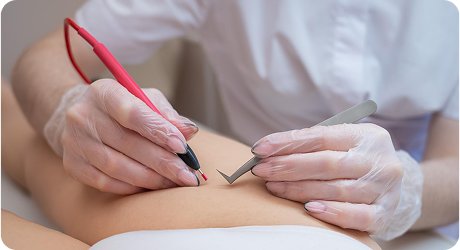
-
Perfect, individual-hair precision
-
Safe for all skin tones
-
Effective on all hair colors
-
Brief heat sensation
-
FDA-RECOGNIZED PERMANENT REMOVAL
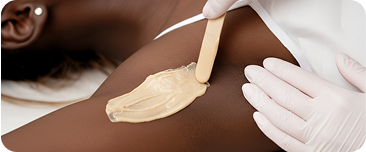
-
Approximate precision
-
All skin tones
-
All hair colors
-
Ripping sensation
-
Temporary results
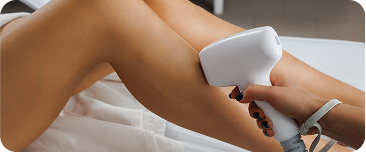
-
Approximate (~½” applicator) precision
-
Struggles with dark & tan skin
-
Limited on light, gray, red, or fine hair
-
Snapping sensation
-
Permanent reduction
Electrolysis Results
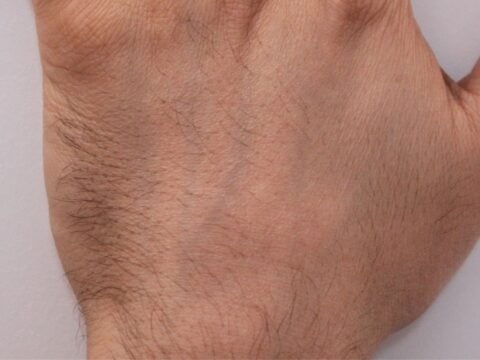
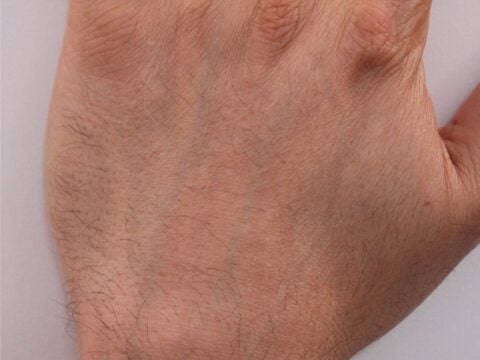
See the visible reduction achieved through consistent electrolysis treatments over multiple sessions.
Results may vary depending on hair type, treatment area, and consistency.
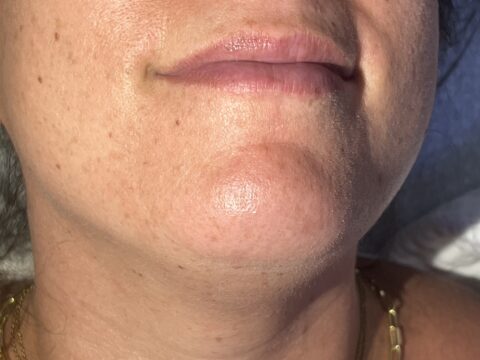 Before
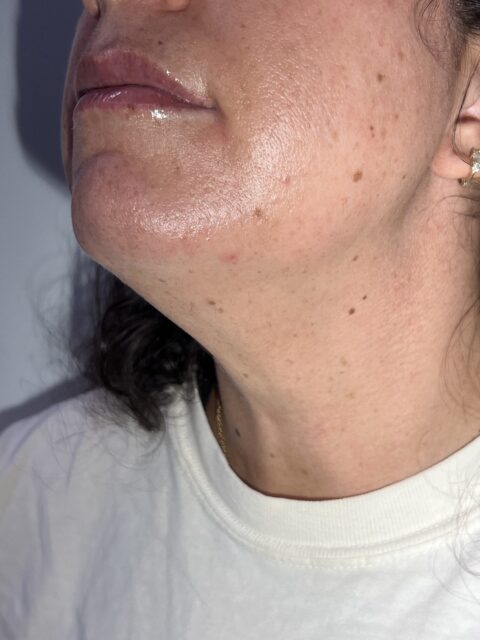 After 23 sessions
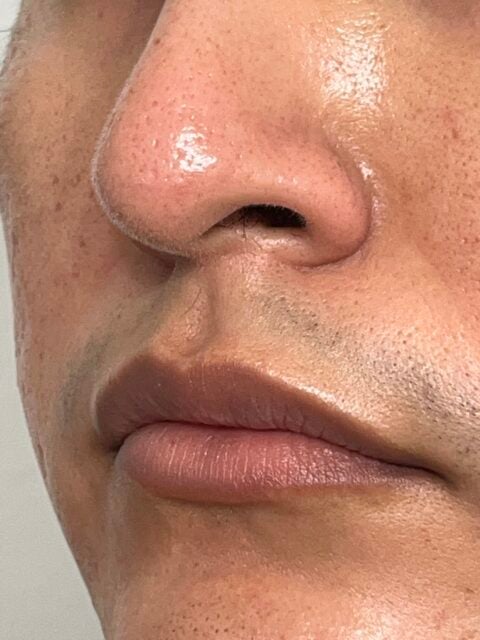 Before
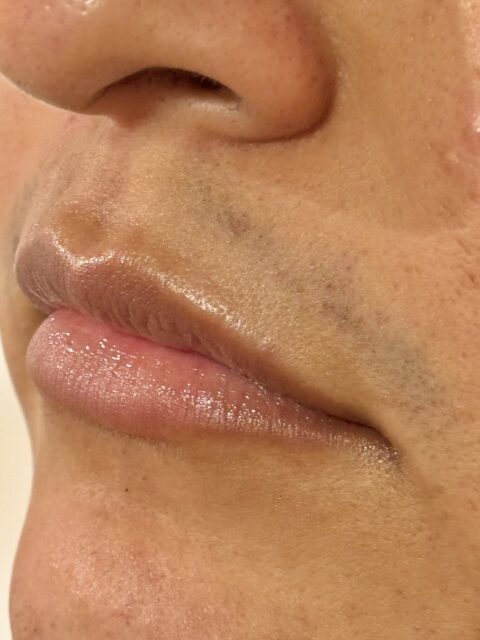 After 12 sessions
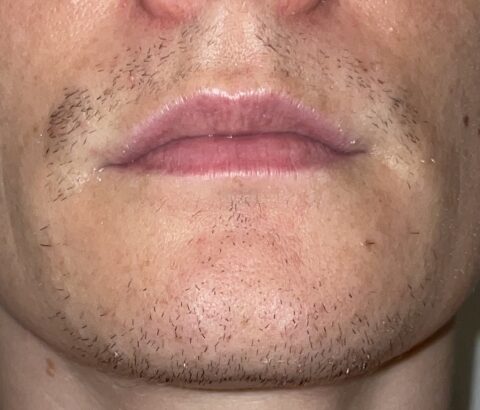 Before
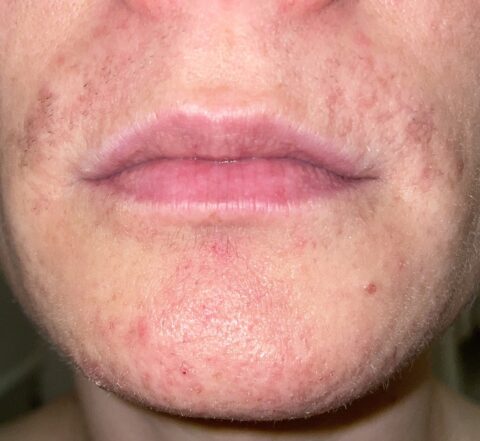 After 31 session
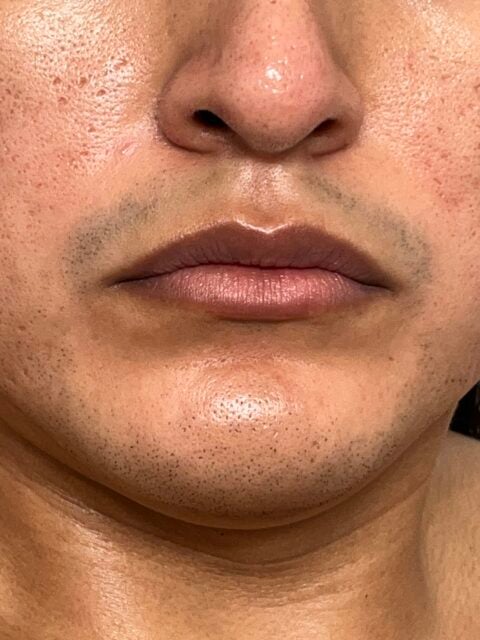 Before
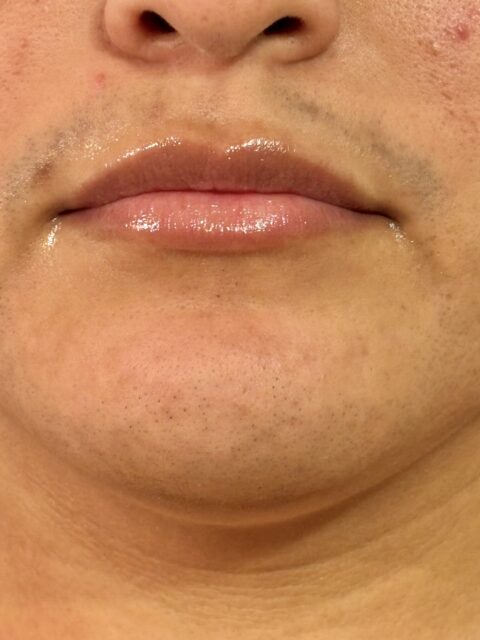 After 12 sessions
 Before
 After 1 session
 Before
 After 15 sessions
The NIOS Standard

-
M.D. Founded
Protocols designed by an M.D.. We adhere to safety and hygiene standards that go beyond typical spa requirements.
-
Science,not sales
Our technicians are paid to clear your skin, not to upsell you. No quotas, no pressure—just results.
-
Clinical-Grade tech
Apilus xCell Technology. We use the fastest, most precise epilators on the market.
-
Rigorous training
Expert hands only. Hand-picked and continuously tested. We hire for precision and keep for kindness.
-
Open 7 days 9am–8pm
Locations across NYC with complimentary high-end sound healing systems. Your records sync across all of them, treat wherever is convenient.
The Team
We are a multidisciplinary team of healthcare experts, licensed estheticians, electrologists, engineers, creatives, and more—sharing expertise across disciplines and united by a single goal: You.













































Your Questions,
Our Answers
-
Can I use numbing cream before electrolysis?
Yes—Nios sells topical numbing cream for clients treating high-sensitivity zones. You apply it yourself thirty to sixty minutes before your session (under occlusion if instructed), which meaningfully reduces sensation for areas like the upper lip, inner bikini line, and zones near cartilage. Energy calibration adjusts slightly when numbing is in play, since it changes how your skin gives feedback—your esthetician accounts for this automatically. Ask at your consult whether it makes sense for your specific zone, and we’ll send you home with what you need before your first treatment.
Concierge Note:
Numbing isn’t necessary for most clients or most zones—it’s a tool for specific situations. If pain concern around a high-sensitivity area has delayed your booking, this is worth raising at your consult before you decide it’s required. Most clients find the upper lip, for example, more manageable than expected even without it. That said, if numbing is what gets you in the chair, buy it and use it. The protocol matters more than the prep. -
Does it get easier over time, or does it always hurt the same?
It typically gets easier. Two things improve with consistent sessions: skin familiarity and reduced follicle density. As treated follicles close, there are fewer to treat per session—which means shorter sessions, less cumulative sensation, and faster recovery. Many clients also find the sensation less surprising with each visit once they know what to expect. The first session is almost always the reference point clients remember as the hardest—subsequent sessions often feel more manageable by comparison.
Concierge Note:
The anticipation before the first session is almost always worse than the session itself—and the sessions after that tend to prove the first one wasn’t that bad. Most clients at Nios reach a point a few sessions in where the routine feels genuinely manageable. That’s not always true for every zone or every client, but it’s the common pattern. Consistent pacing is what gets you there: not grinding through more than your skin can handle, but not avoiding appointments either. -
What if I'm very sensitive—is electrolysis still a realistic option?
Yes—electrolysis can be adapted to high-sensitivity clients through energy calibration, session sizing, zone sequencing, and client-applied topical numbing where appropriate. High sensitivity doesn’t disqualify you; it changes how we pace the protocol. Shorter sessions, more conservative energy settings, and longer spacing between appointments in reactive zones are all standard adjustments. The goal isn’t to override your sensitivity threshold—it’s to build a protocol that stays consistently inside it so you can keep showing up.
Concierge Note:
“I’m very sensitive” is one of the most common things we hear at consultations—and it doesn’t prevent treatment. It shapes it. We distinguish between sensation and pain, and we work inside your window throughout every session. Most clients who self-identify as highly sensitive find that the reality of treatment is more manageable than the anticipation suggested, particularly once pacing is calibrated to what their skin actually tolerates. The consult is where we establish your baseline. From there, we build. -
What's the difference between how electrolysis for facial zones feel versus body zones?
Facial zones—particularly the upper lip, chin, and areas near cartilage—tend to register higher sensation because of nerve density and skin thinness. Body zones are generally more forgiving: skin is thicker, follicle spacing often wider, and nerve density lower. That said, the inner bikini and groin area rival facial sensitivity for many clients. The most helpful frame: small precision zones feel more intense per insertion but run shorter. Large body zones feel more manageable per insertion but accumulate over longer sessions.
Concierge Note:
Most clients have one zone they’re particularly concerned about—usually the upper lip or bikini line. The consult is the right time to name it so we can address it directly. Sometimes the answer is purchasing numbing cream to apply before your session. Sometimes it’s starting with a shorter scope to establish the sensation baseline before committing to a longer session. We’d rather give you accurate expectations and a plan for managing them than tell you it won’t hurt and have you cancel after the first appointment. -
Should I take anything before my session to manage pain?
Over-the-counter pain relief like ibuprofen can help with post-session inflammation and is fine to take after treatment. Taking ibuprofen before a session is less helpful because electrolysis sensation is instantaneous rather than sustained—the pain relief mechanism doesn’t work the same way on a quick pulse as it does on ongoing inflammation. Topical numbing cream, applied by you thirty to sixty minutes before arriving, is more effective for pre-session management of high-sensitivity zones. Nios sells it too—ask at booking or at your consult, and we’ll send you home with what you need. Avoid alcohol before sessions; it increases skin reactivity.
Concierge Note:
The practical pre-session prep that makes the most difference is blood sugar (eat before you come), rest (tired bodies run more reactive), and client-applied topical numbing for specific zones if needed. The rest is expectations management—which is what the consult is for. If you’re genuinely anxious about sensation before your first session, name it at the consult so we can walk through what you’ll actually feel before we start. -
What does the skin feel like after a session? Is it painful afterward?
Post-session, treated follicles typically feel mildly tender and look slightly red or raised—this is the normal inflammatory response as the skin begins healing. It usually settles within a few hours and is largely resolved by the next morning. Most clients describe post-session skin as feeling like a mild sunburn in the treated area: warm, slightly sensitive, and resolving on its own. Picking at treated follicles or applying heavy products slows recovery. Keeping the area clean and letting it settle is the right move.
Concierge Note:
If post-session redness or sensitivity runs longer than a few days, or if anything looks infected rather than just inflamed, contact your esthetician. That’s not the typical pattern—but it’s worth addressing directly rather than waiting through it. Most clients find that once a few sessions have established the routine, they can accurately predict how their skin will respond and plan around it with minimal disruption. That calibration happens earlier than most people expect.
Related Solutions
Many similar clients also treat
First Visit
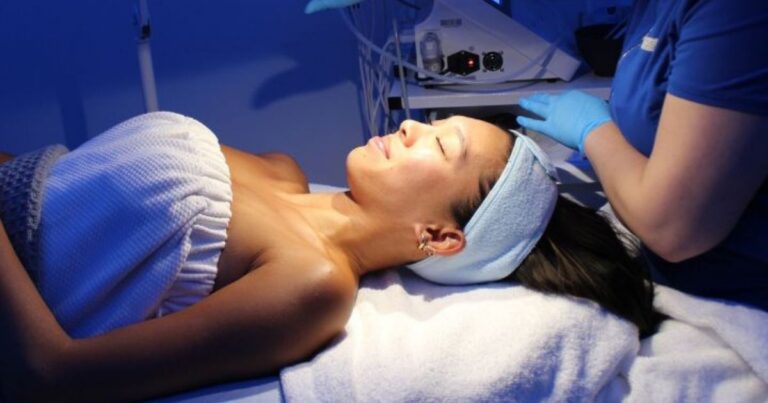
Here’s exactly what happens from your free consultation through your first session—and how to prepare for both.
Learn More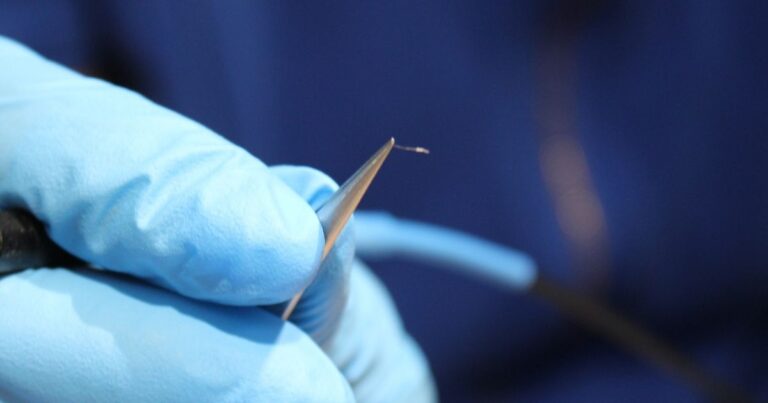

Affordable electrolysis
Clear pricing, efficient sessions, and a protocol built to finish the job.
Learn MorePricing
Electrolysis
Pricing goes by time
Junior Technician
$0
Senior Technician
$0
All Nios electrologists receive the same rigorous training. Senior electrologists offer more years of hands-on experience.
How Much Time Do I Need?
Electrolysis is billed by time, not body part, since every client’s hair density and treatment area are different.
-
Small areas
Lip, chin, eyebrows, fingers: ~5–30 minutes
-
Medium areas
Underarms, bikini: ~30–60 minutes
-
Large areas
Legs, chest, back, etc.: 60 to 120+ minutes
The exact timing varies from person to person — for example, underarms may take 30 minutes for one client and a full hour or more for another.
The best way to know what your treatment plan will look like is to book a free consultation, where we can assess your hair in person and give you a personalized estimate.
How many sessions do I need?
Hair grows in cycles—only active follicles can be treated, so multiple sessions are required. Most clients achieve permanent results within 12–18 months: twice a month at first, then monthly as hair thins.
Book a free consultation for a personalized estimate.
Client Testimonials


