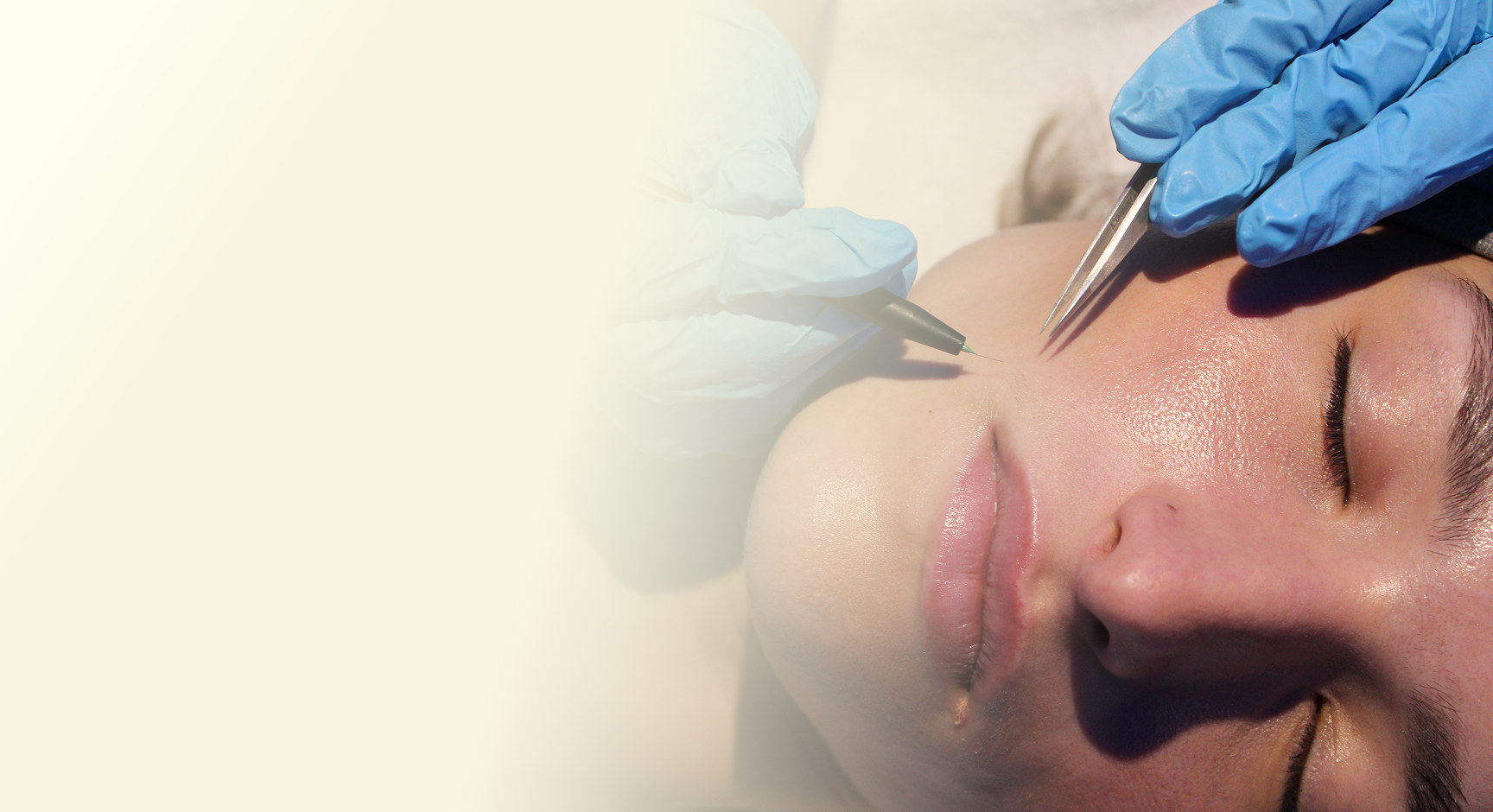

Your Hairline Has Its Own Agenda. Electrolysis Lets You Set the Terms.
The edge of your hair frames everything else—more than most styling decisions. Baby hairs escape updos. The widow’s peak shows through in photos. Temple hair catches in certain lighting. A sleek look requires a hairnet, not just effort. These aren’t style failures—they’re follicle decisions. No edge control gel changes where the hair grows. Electrolysis permanently removes the follicles you’ve decided don’t belong, so the shape you want is the shape you have.
Hairline Shaping Requires Follicle-Level Precision. That’s Exactly What Electrolysis Delivers.
Electrolysis inserts a fine, sterile probe into each follicle along the hairline and delivers a controlled pulse that permanently destroys the growth center. Adjacent hair is untouched—only follicles within the agreed boundary are treated. Because it works independent of pigment, electrolysis handles the full hairline range: coarse dark hairs, fine or gray baby hairs, and transitional growth that laser can’t target. The shape is built follicle by follicle—precise by design.

The Shape You Chose Holds—Without a Hairnet, Without a Touch-Up.
For most clients, the payoff is felt before it’s articulated: the updo holds without the usual escape hairs. The mirror check shortens. The widow’s peak that showed through every low bun is gone. The temple cleanup that required gel every morning is permanent. Most clients see meaningful changes to their highest-impact zones within the first consistent months of sessions. The result isn’t a different hairline—it’s the one you already had in mind, made stable.

WHO IS HAIRLINE SHAPING FOR?
When baby hairs, a widow’s peak, or temple growth has been working against every style you attempt—permanent shaping closes the follicles, not just the gap.
- Have baby hairs or flyaways along your hairline that escape updos, braids, or sleek styles.
- Want permanent widow’s peak removal or softening without ongoing maintenance.
- Want temple cleanup or forehead edge definition that styling products can’t deliver.
- Have fine, light, or gray hairline hairs that laser can’t treat.
- Are treating hairline shaping as part of a broader precision protocol—commonly combined with eyebrows, ears, or sideburns.
- Have a natural hairline you want to refine rather than dramatically change.
- You haven’t settled on your exact desired shape yet—the consult is where we map it, before anything is permanent.
- You’re expecting dramatic hairline lowering across a wide forehead—a different scope than edge cleanup, and worth a consult conversation to clarify what’s achievable.
- Scalp skin in the treatment area is currently irritated or has active breakouts—we stabilize before treating.
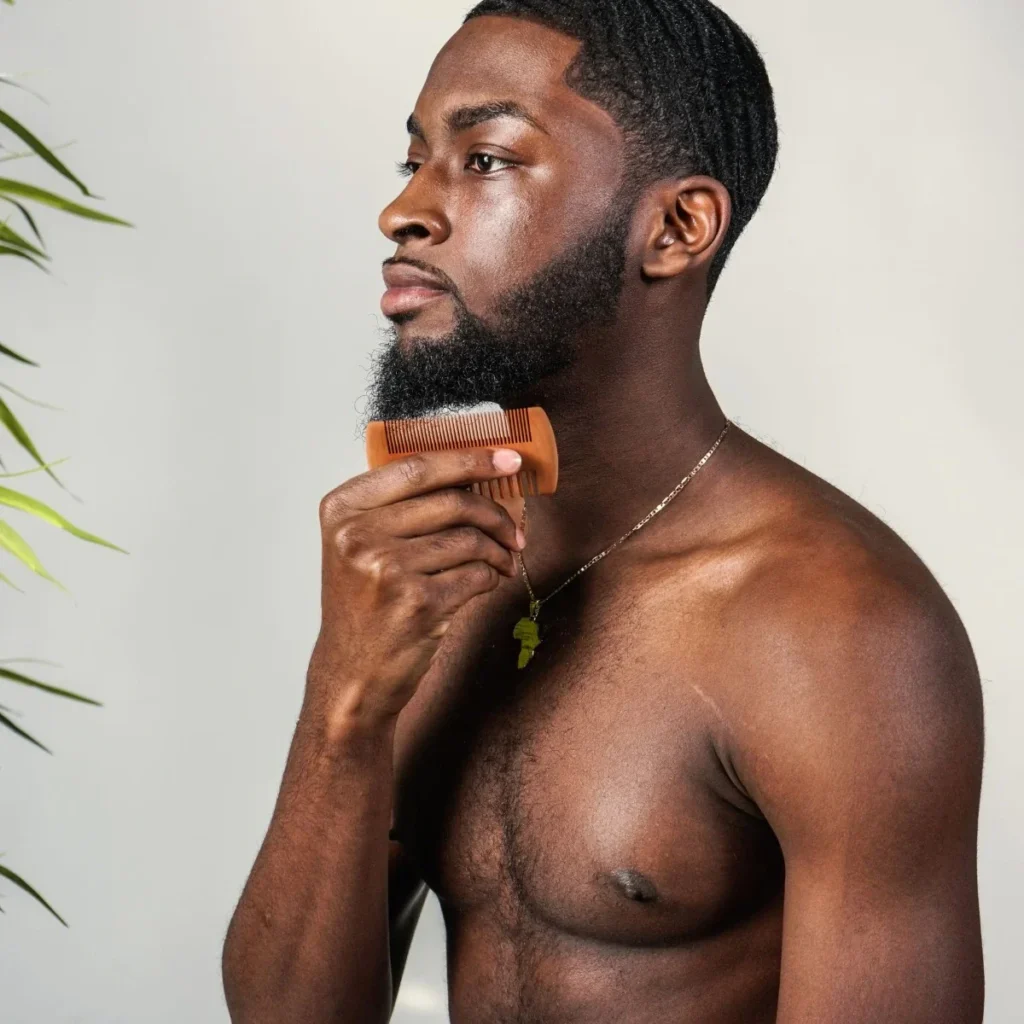
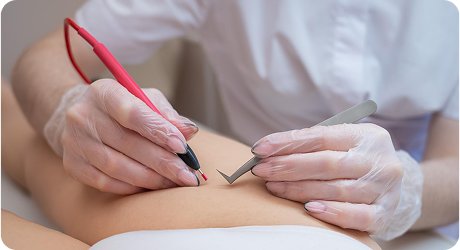
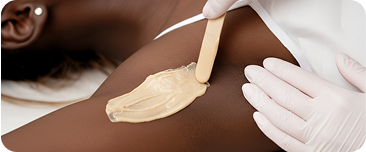
Electrolysis vs Waxing vs Laser Hair Reduction
Waxing is temporary, laser is partial, electrolysis is permanent. Different tools, different results.
-
Perfect, individual-hair precision
-
Safe for all skin tones
-
Effective on all hair colors
-
Brief heat sensation
-
PERMANENT REMOVAL, NOT JUST REDUCTION
-
Approximate precision
-
All skin tones
-
All hair colors
-
Ripping sensation
-
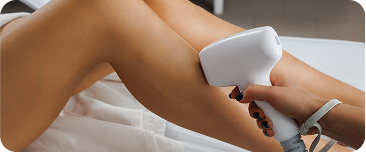
Temporary results
-
Approximate (~½” applicator) precision
-
Struggles with dark & tan skin
-
Limited on light, gray, red, or fine hair
-
Snapping sensation
-
Permanent reduction
Electrolysis Results
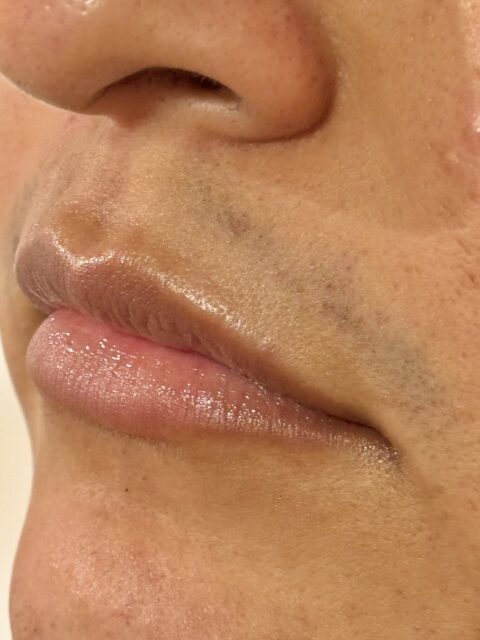
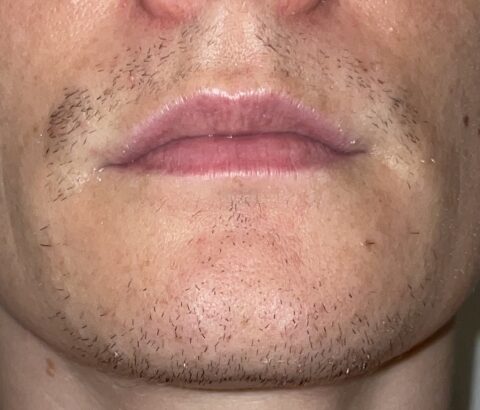
See the visible reduction achieved through consistent electrolysis treatments over multiple sessions.
Results may vary depending on hair colors, treatment area, and consistency.
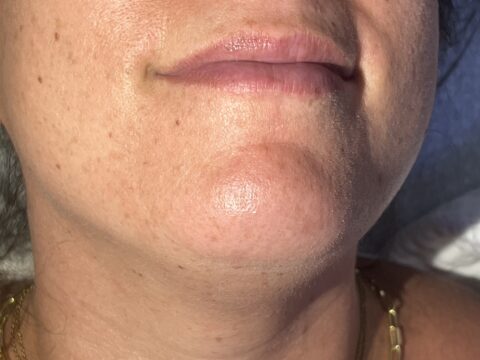 Before
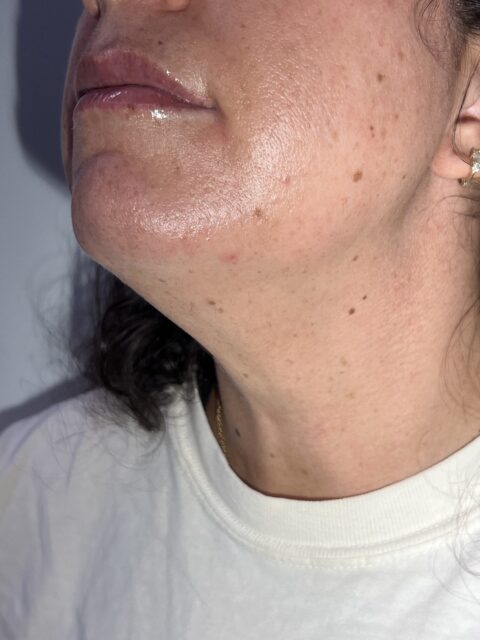 After 23 sessions
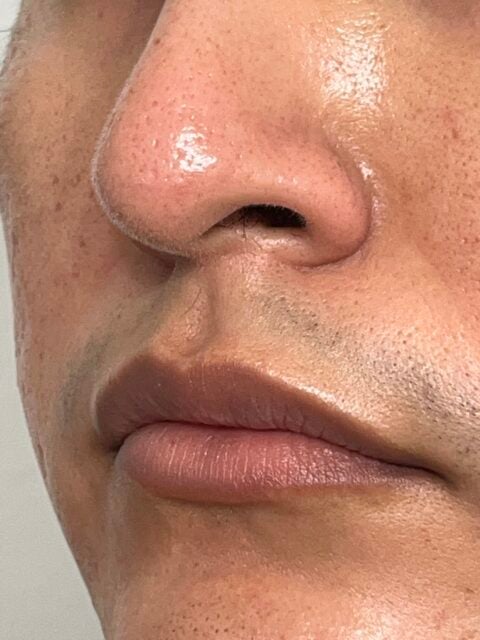 Before
 After 12 sessions
 Before
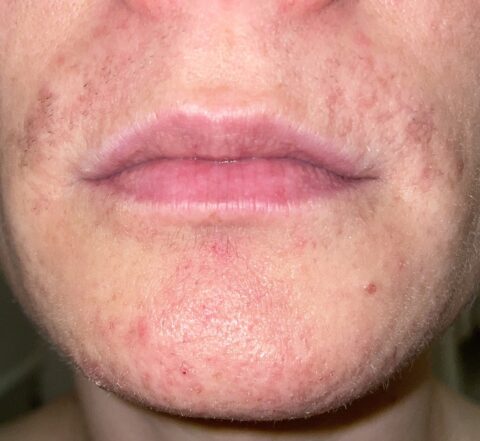 After 31 sessions
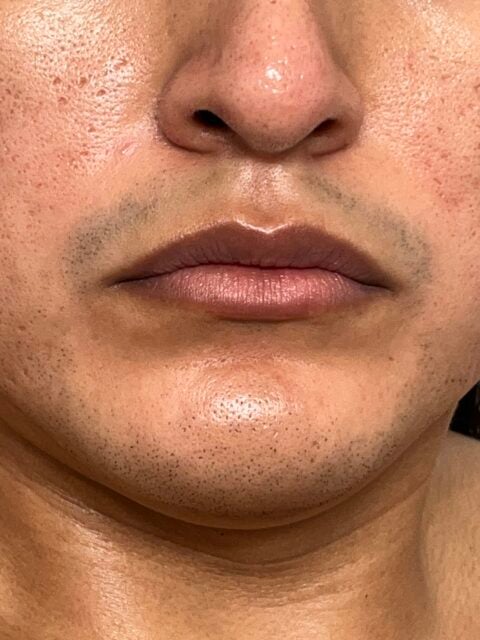 Before
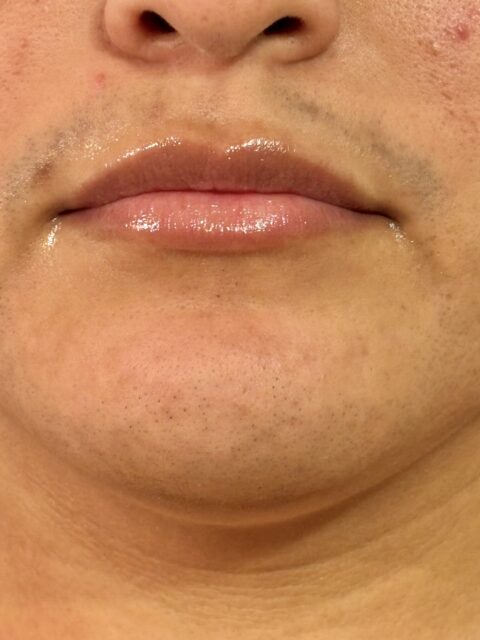 After 12 sessions
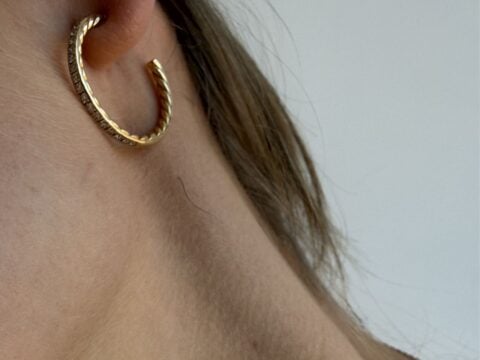 Before
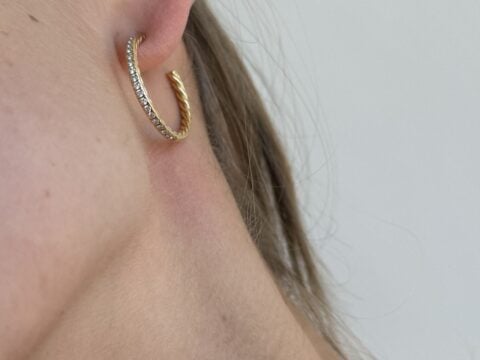 After 1 session
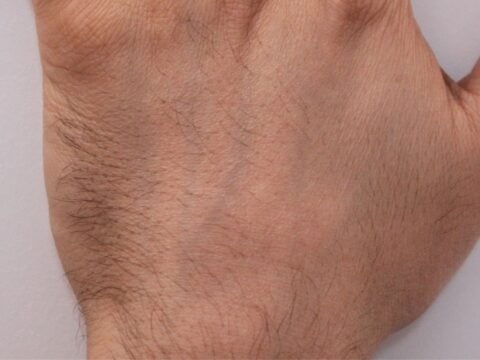 Before
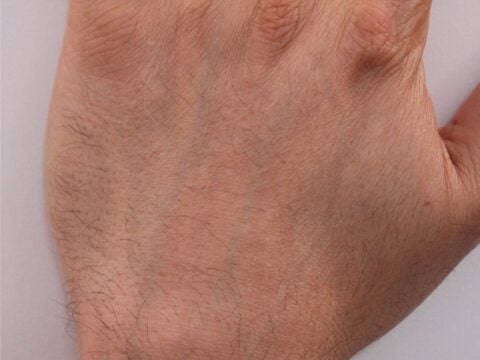 After 15 sessions
THE NIOS STANDARD

-
M.D. FOUNDED
Josh Gordon, M.D., earned his medical degree at NYU School of Medicine — then chose to build Nios rather than pursue a license. He leaves the treatments to the people who do them best: our licensed estheticians and trained electrologists.
-
SCIENCE, NOT SALES
Our technicians are paid to clear your skin, not to upsell you. No quotas, no pressure—just results.
-
CLINICAL-GRADE TECH
Apilus xCell Technology. We use the fastest, most precise epilators on the market.
-
RIGOROUS TRAINING
Expert hands only. Hand-picked and continuously tested. We hire for precision and keep for kindness.
-
OPEN 7 DAYS 9am–8pm
Locations across NYC with complimentary high-end sound healing systems. Your records sync across all of them, treat wherever is convenient.
THE TEAM
We are a multidisciplinary team of licensed estheticians, electrologists, engineers, creatives, and more—sharing expertise across disciplines and united by a single goal: You.













































YOUR QUESTIONS, OUR ANSWERS
-
Can electrolysis permanently reshape my hairline?
Yes—permanent hairline shaping is one of the most precise applications of electrolysis. The method targets individual follicles, so we can permanently remove exactly what falls outside your desired shape without affecting any hair you want to keep. Widow’s peak softening or removal, temple cleanup, forehead edge definition, baby hair removal, and nape of neck shaping are all within scope. The hairline that results reflects the shape agreed on at your consult—not an approximation.
Concierge Note:
The consult is where the shape gets mapped—before any follicle is treated. We look at your natural growth pattern, the styles you actually wear, and what you want the hairline to accomplish. Starting with the obvious strays and tightening from there is always an option. This isn’t gatekeeping—it’s the right sequence for a zone where permanent means permanent. Most clients at Nios find the first session conservative by design, and they appreciate that once they see the result in their actual life. -
Will hairline electrolysis look natural?
Yes—because electrolysis treats follicles individually, the result is as gradual and precise as you want it to be. We don’t clear a zone at once; we remove specific hairs within the agreed boundary, session by session. The hairline evolves toward the target shape without a sudden change that reads as “done.” Most clients report that people notice they look polished or put-together before they can identify why. That’s the point: clean, not obvious.
Concierge Note:
The fear behind this question is usually: “What if I hate it.” Fair. We answer that with pacing—starting conservative, confirming the shape reads right in your real life before we tighten further. You won’t wake up from one session with a dramatically different hairline. The process is deliberate. At Nios, we treat hairline shaping like tailoring: measure twice, commit once. Most clients find the result looks exactly like themselves, just more intentional. -
What hairline zones can be treated?
Electrolysis can address any external area where hair grows along the hairline boundary. The most common zones at Nios:
- Widow’s peak: softening the V-shape or removing it for a straighter frontal line
- Temples: reducing density, cleaning up irregular growth, or defining a corner
- Forehead edge: removing stray hairs above the desired hairline definition
- Baby hairs: permanently removing fine flyaways along the front hairline that escape styling
- Nape of neck: cleaning up the back hairline for a sharper, lower edge
Each zone is assessed separately at your consult. Scope, follicle count, and session estimates are specific to what we observe—not a generic package.
How many sessions does permanent hairline shaping take?
Most clients come in focused on one zone and discover at the consult that treating an adjacent area makes the overall result more cohesive. Baby hairs and temple cleanup together often create a cleaner result than either alone. We’ll show you what the full picture looks like before you commit to anything. Ask your Nios esthetician what combination makes the most sense for your specific hairline. -
How many sessions does permanent hairline shaping take?
Fewer than most clients expect—hairline zones are targeted and contained, with a specific and finite follicle count compared to larger body areas. Baby hair removal and widow’s peak shaping tend to resolve relatively quickly with consistent sessions. Temple and broader edge definition may take a few more rounds as dormant follicles become active. A realistic session estimate comes from your consult, based on the zones being treated and what we observe in the hairline.
Concierge Note:
Hairline shaping is one of the more satisfying protocols in terms of return on investment: small zone, specific goal, permanent result. Most clients treating baby hairs or a widow’s peak find the protocol contained and the improvement visible early. Think compound interest—early sessions build the foundation, and later ones refine the edges. Book a Nios consult in Manhattan, Brooklyn, Queens, or Union Square and we’ll map what the timeline actually looks like for your specific zones. -
Does hairline electrolysis hurt?
You’ll feel a quick heat pulse at each follicle. The hairline is a zone of varying sensitivity—the frontal edge and temples tend to be more manageable than follicles at the nape of the neck. Session time is short because hairline zones have a defined follicle scope, which keeps cumulative sensation low. We calibrate energy between insertions and work inside your tolerance. Most clients find hairline sessions among the more comfortable electrolysis protocols.
Concierge Note:
If you’ve had electrolysis elsewhere on the face or body, the hairline will likely feel familiar—sometimes more comfortable than zones like the upper lip or chin. If this is your first electrolysis experience, the hairline is actually a reasonable starting point: small zone, short session, fast payoff. Most clients find the anticipation runs ahead of the reality. We distinguish between sensation and pain, and we work inside your window throughout every session. -
Is hairline electrolysis safe for all hair types and skin tones?
Yes—electrolysis works on every hair type and skin tone because it targets the follicle structure directly, independent of melanin. This matters specifically for baby hairs: fine, light, or gray hairs along the hairline that laser can’t treat at all are fully within scope for electrolysis. For darker skin tones, the individual-follicle approach eliminates the pigmentation risk that laser carries from broad surface energy delivery. Energy calibration and technique—not hair color or skin tone—determine the outcome.
Concierge Note:
If fine or light baby hairs are the primary concern and laser has been suggested as an option, it’s worth understanding why laser misses them: no melanin contrast, no laser treatment. Electrolysis doesn’t have a pigment floor. And for anyone who’s been cautious about treating a visible, prominent zone because of skin tone concerns—those concerns belong to laser, not to this method. Book a Nios consult and we’ll assess your specific hairline directly. -
Can I treat my hairline at the same time as other precision zones like eyebrows or ears?
Yes—hairline, eyebrows, and ears are three of the highest-return precision zones in electrolysis, and they can often be addressed in a single session because each involves a small, targeted area with a defined follicle scope. Treating multiple precision zones together is both time-efficient and gives a clearer picture of how each zone interacts with the overall result. Total session scope is mapped at your consult based on what we observe across all zones.
Concierge Note:
Clients who treat hairline alongside eyebrows or ears often describe the combined result as a grooming upgrade that’s visible from across the room before anyone can identify what changed. One appointment, multiple permanent results in progress—each zone contained, each protocol finite. See our Permanent Eyebrow Shaping and Ear Hair Removal pages for how those protocols combine. Most clients across our NYC locations who treat one precision zone add the others within the first few visits.
Related Solutions
Many similar clients also treat
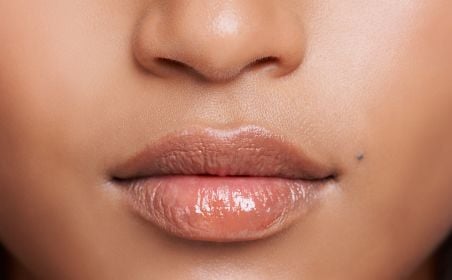
Upper Lip Electrolysis
The permanent solution for upper lip hair—fine fuzz, visible shadow, or coarser growth along the lip line. Safe for all skin tones. Effective on every hair color.
Learn More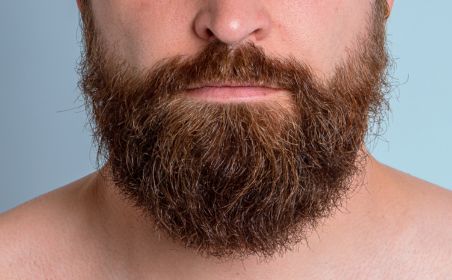
Beard Electrolysis
Permanent beard cleanup or full removal—electrolysis targets each follicle so you can stop chasing razor bumps and ingrowns.
Learn More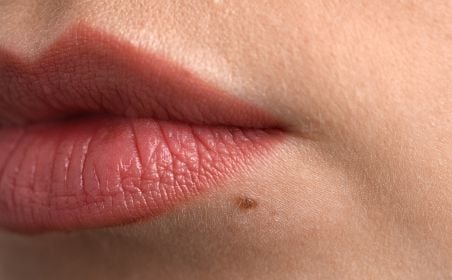
Pcos
When chin hair, neck stubble, or facial strays turn into a daily job, it’s time to stop managing hormones with a razor.
Learn MorePRICING
Electrolysis
Pricing goes by time
Junior Technician
$0
Senior Technician
$0
All Nios electrologists receive the same rigorous training. Senior electrologists offer more years of hands-on experience.
How Much Time Do I Need?
Electrolysis is billed by time, not body part, since every client’s hair density and treatment area are different.
-
Small areas
Lip, chin, eyebrows, fingers: ~5–30 minutes
-
Medium areas
Underarms, bikini: ~30–60 minutes
-
Large areas
Legs, chest, back, etc.: 60 to 120+ minutes
The exact timing varies from person to person — for example, underarms may take 30 minutes for one client and a full hour or more for another.
The best way to know what your treatment plan will look like is to book a free consultation, where we can assess your hair in person and give you a personalized estimate.
How many sessions do I need?
Hair grows in cycles—only active follicles can be treated, so multiple sessions are required. Most clients achieve permanent results within 12–18 months: twice a month at first, then monthly as hair thins.
Book a free consultation for a personalized estimate.
Client Testimonials


