

Temporary Hair Removal Isn’t Failing You—It’s Doing Exactly What It’s Built to Do.
Waxing and sugaring remove hair from the root. That’s why you get a clean, smooth result that lasts a few weeks. The follicle stays intact, begins producing a new hair immediately, and the cycle restarts. If you’re here, the question behind the question is simple: “How do I stop re-buying the same result?” Waxing and sugaring are a subscription. Electrolysis is a plan. It’s follicle-level work—one hair at a time—repeated until the factory shuts down permanently. The distinction isn’t that waxing doesn’t work. It’s that it works indefinitely, and there’s no version of it that ends.
What Each Method Actually Targets—and Where Each One Stops.
Waxing and sugaring grip the hair shaft and pull it from the follicle. The extraction is clean and effective. The growth center—the part of the follicle that produces new hair—is entirely undamaged. Regrowth begins immediately.
Electrolysis inserts a fine, sterile probe directly into the follicle alongside the hair and delivers a controlled pulse of heat to the growth center. The follicle’s ability to regenerate is permanently destroyed. The hair releases. Because the method is mechanical rather than optical—it doesn’t rely on pigment contrast—it works on every hair color and skin tone, including the light, fine, and mixed-color growth that laser can’t reliably treat.

Front-Loaded Investment. Permanent Baseline.
Regular waxing—twelve appointments a year, at current NYC prices, for ten or twenty years—is a recurring expense with no finish line. Electrolysis is front-loaded: a defined course of sessions in which follicles are permanently closed, after which the cost for that area drops to zero. The math crossover point depends on area size, treatment density, and what you currently spend on waxing. For most clients treating a focused zone, the total electrolysis investment is comparable to one to three years of waxing appointments—after which waxing continues to cost indefinitely while electrolysis stops costing anything. We give honest cost estimates at the consult based on your specific area and density, so the comparison to what you’re currently spending is concrete, not theoretical.

Who is Electrolysis for?
When in doubt about choosing waxing/sugaring vs electrolysis.
- Wax or sugar a defined area consistently and have been doing so for a year or more.
- Have meaningful recurring spending on waxing appointments and want to know the long-term cost comparison.
- Have ingrown hairs, dark marks, or skin irritation from repeated extraction that you’d like to stop managing entirely.
- Have an area where the regrowth management window (visible stubble between sessions) creates friction in your life.
- Have light, fine, or mixed-color hair in the treatment area that laser won’t reliably address.
- Are done with the mental load of scheduling, regrowth timing, and appointment management.
- You’re looking for a one-time result for a specific event—waxing is more practical for a single occasion; electrolysis is the investment for a recurring situation you want to end.
- You’re not sure which area you want to commit to—we start conservative, and the free consult is the place to sort this out before building a protocol.

Electrolysis vs Waxing vs Laser Hair Reduction
Waxing is temporary, laser is partial, electrolysis is permanent. Different tools, different results.
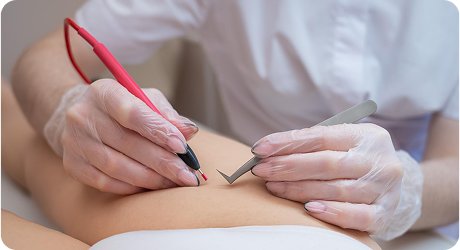
-
Perfect, individual-hair precision
-
Safe for all skin tones
-
Effective on all hair colors
-
Brief heat sensation
-
PERMANENT REMOVAL, NOT JUST REDUCTION
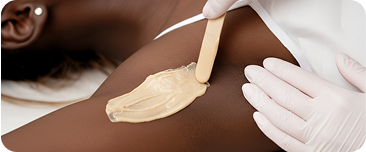
-
Approximate precision
-
All skin tones
-
All hair colors
-
Ripping sensation
-
Temporary results
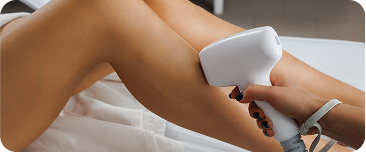
-
Approximate (~½” applicator) precision
-
Struggles with dark & tan skin
-
Limited on light, gray, red, or fine hair
-
Snapping sensation
-
Permanent reduction
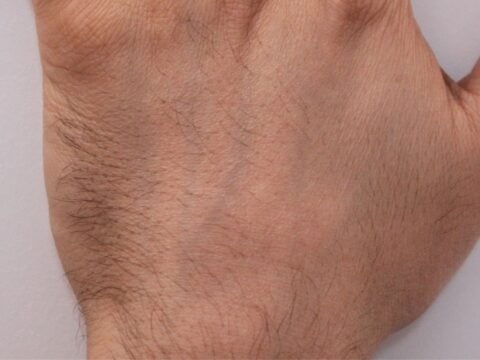
Electrolysis Results
See the visible reduction achieved through consistent electrolysis treatments over multiple sessions.
Results may vary depending on hair colors, treatment area, and consistency.
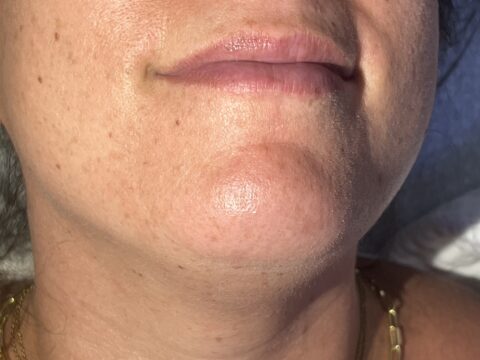 Before
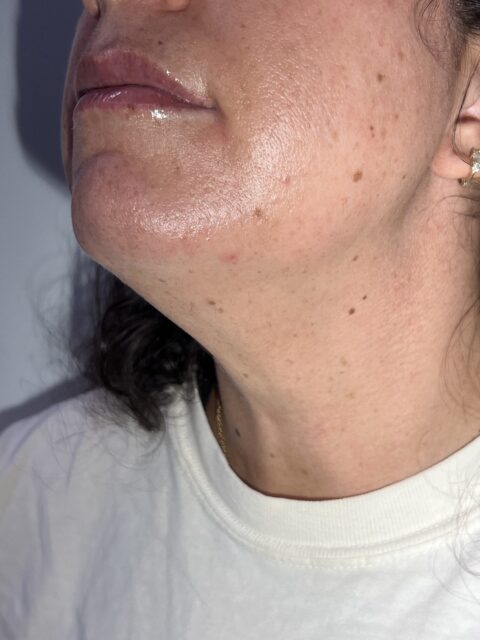 After 23 sessions
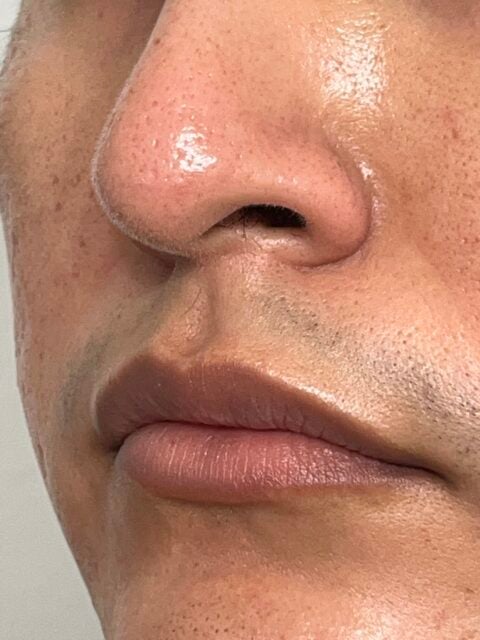 Before
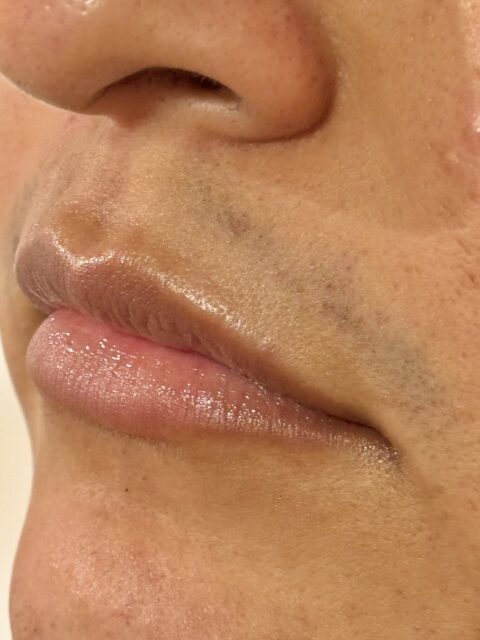 After 12 sessions
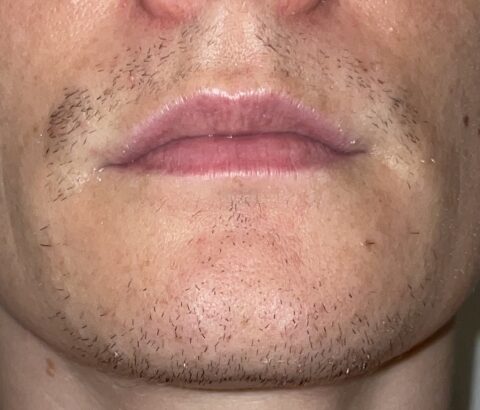 Before
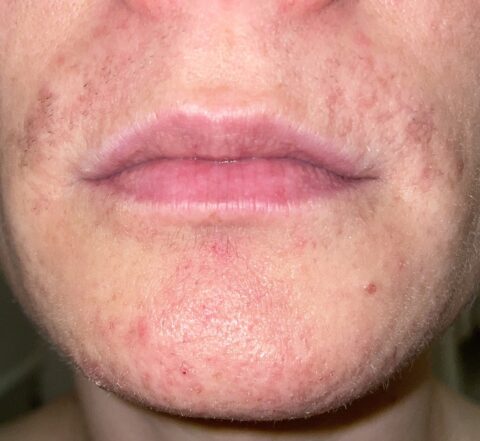 After 31 sessions
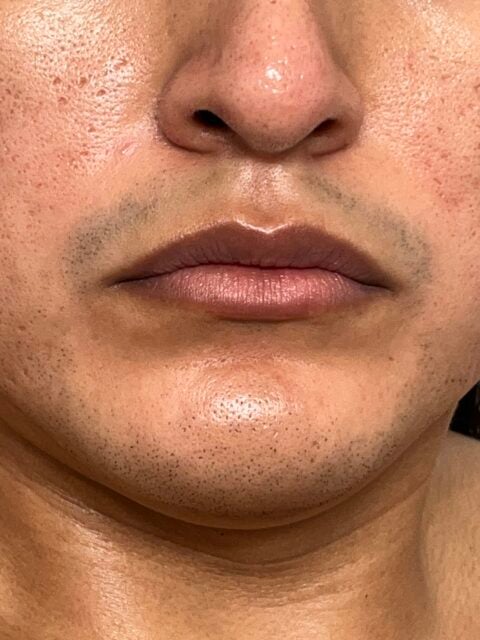 Before
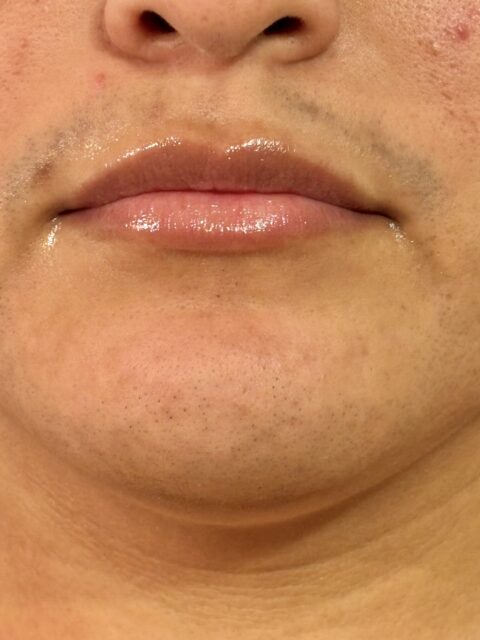 After 12 sessions
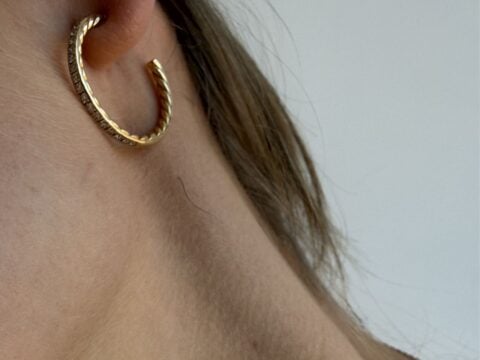 Before
 After 1 session
 Before
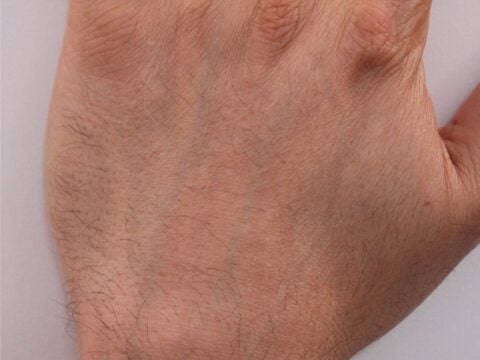 After 15 sessions
The NIOS Standard

-
M.D. Founded
Protocols designed by an M.D. We adhere to safety and hygiene standards that go beyond typical spa requirements.
-
Science,not sales
Our technicians are paid to clear your skin, not to upsell you. No quotas, no pressure—just results.
-
Clinical-Grade tech
Apilus xCell Technology. We use the fastest, most precise epilators on the market.
-
Rigorous training
Expert hands only. Hand-picked and continuously tested. We hire for precision and keep for kindness.
-
Open 7 days 9am–8pm
Locations across NYC with complimentary high-end sound healing systems. Your records sync across all of them, treat wherever is convenient.
The Team
We are a multidisciplinary team of licensed estheticians, electrologists, engineers, creatives, and more—sharing expertise across disciplines and united by a single goal: You.













































Your Questions,
Our Answers
-
What's the actual difference between waxing and electrolysis?
Waxing pulls hair from the root—clean, effective, and entirely temporary. The follicle’s growth center is undamaged, regrowth begins immediately, and the cycle resets every four to six weeks, indefinitely. Electrolysis inserts a probe into the follicle and permanently destroys the growth center with heat. The follicle can’t produce another hair. Waxing removes the hair. Electrolysis closes the factory producing it.
Concierge Note:
One is a subscription; the other is a plan with an endpoint. Most clients who’ve been waxing the same area for years don’t realize the exit strategy exists until they ask. Book a Nios consult and we’ll map what finishing that area actually looks like—in sessions, timeline, and cost. -
Is sugaring "better" than waxing—and how does either compare to electrolysis?
Sugaring can feel gentler than waxing because the paste adheres primarily to hair rather than skin, reducing surface trauma per session. For sensitive or repeatedly treated skin, that difference is real. But the fundamental outcome is identical: temporary removal, follicle intact, cycle resets. Switching from wax to sugar changes the texture of the experience without changing the result. Electrolysis doesn’t compete with either—it replaces the need for both.
Concierge Note:
If your issue is the cycle itself—the endless return to the same appointment—the paste you use isn’t the variable worth changing. The method is. Electrolysis is in a different category entirely. Most clients find this distinction clarifying rather than complicated once it’s laid out. That’s exactly what the consult is for. -
Do I have to stop waxing when I start electrolysis?
Yes—and this is the most important practical point for anyone making the switch. Electrolysis requires hair to be present in the follicle to treat it. Waxing pulls hair from the root, leaving the follicle empty with nothing for the probe to target. You’ll need to switch to shaving the treatment area, with at least a few days of growth before each session. The main adjustment is visible regrowth instead of waxed-clean skin during the active protocol.
Concierge Note:
The transition is the part most clients dread most and find most manageable in practice. We’ll help you time the switch at your consult so the regrowth window is as workable as possible—built around your schedule, not a generic timeline. Most clients find the adjustment easier than expected once sessions start and the growth begins visibly thinning. -
Why didn't laser work for me?
The most common reasons: hair is too light or mixed in color for reliable targeting, the area is hormone-driven, skin tone reduces the safe contrast range, or laser addressed the area partially and left residual growth it couldn’t finish. Electrolysis handles all of these—it doesn’t depend on pigment, works on every hair color and skin tone, and treats each follicle individually. If laser got most of the way but left “why is this still here” hairs behind, electrolysis closes what laser couldn’t reach.
Concierge Note:
Laser gets you part of the way; Nios electrolysis finishes the job. A failed laser course isn’t a reason to stop—it’s a reason to switch methods. The hairs that survived aren’t stubborn; they’re just the wrong color or profile for the technology. Book a consult in NYC and we’ll assess exactly what’s left and how long it actually takes to close. -
Is electrolysis actually worth it financially compared to waxing?
For most clients treating a defined area consistently, yes—over a multi-year horizon. Waxing is a flat recurring cost with no reduction in frequency or expense over time. Electrolysis is front-loaded: investment concentrates in an active treatment period, after which the cost for that area is zero. The crossover point depends on your current waxing spend and session count for your specific area. We make this concrete at your consult—not a theoretical argument, but an actual estimate based on what we observe.
Concierge Note:
The point isn’t that electrolysis is cheaper in year one. It’s that it ends, and waxing doesn’t. Most clients find the math more favorable than expected once the total cost-to-done is mapped against years of recurring appointments. Electrolysis starts at $30 at Nios, and a 10-session package saves 10%. See the full pricing page for current rates. -
Will electrolysis help with ingrowns from waxing?
Yes—permanently. Ingrown hairs from waxing occur when skin closes over the follicle opening between sessions, trapping re-emerging hair. The more often you extract from the root, the more consistently you create the conditions for trapping. Electrolysis eliminates the follicle producing the hair—no re-emerging hair means no ingrown cycle. For clients with waxing-related ingrowns, dark marks, and texture changes, electrolysis ends the hair and the secondary skin problem waxing created.
Concierge Note:
If the surface is currently inflamed from recent ingrowns, we may recommend pairing early sessions with our Calming Facial to stabilize the barrier while we do follicle-level work. Calm before clear applies here. Most clients find skin texture improves noticeably within the first months of consistent sessions—once the cycle stops refreshing, the surface has space to recover. -
What areas make the most sense to switch from waxing to electrolysis?
Upper lip, chin, and jawline are the most common facial switches—areas where clients have maintained a waxing or threading cycle for years and want it to actually stop. Bikini line and underarms are the most common body switches—high-frequency waxing areas with meaningful ingrown and irritation history. Eyebrow shaping is a common switch for clients who want a permanent defined shape rather than an indefinite maintenance appointment.
Concierge Note:
The approach is consistent regardless of area: stop waxing, switch to shaving the zone, maintain consistent sessions until the growth is permanently closed. Across our Manhattan, Brooklyn, and Queens locations, these are the switches we map most often—and the ones with the clearest return on investment. Ask your esthetician at your consult which area gives you the fastest, most visible win first.
Related Solutions
Many similar clients also treat

Hirsutism
PCOS, menopause, thyroid, genetics—the cause varies, but the solution doesn’t. Hormones flip the switch. We cut the power.
Learn More
Light hair: white/grey/blonde
White, gray, blonde, red, fine—if other methods left it behind, we finish the job. Electrolysis doesn’t need pigment. It targets the follicle directly.
Learn More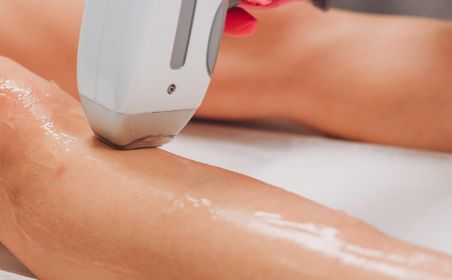
Laser vs electrolysis permanent hair removal
Both are marketed as permanent. Laser is generally FDA-cleared only for permanent hair reduction; electrolysis is permanent hair removal.
Learn MorePricing
Electrolysis
Pricing goes by time
Junior Technician
$0
Senior Technician
$0
All Nios electrologists receive the same rigorous training. Senior electrologists offer more years of hands-on experience.
How Much Time Do I Need?
Electrolysis is billed by time, not body part, since every client’s hair density and treatment area are different.
-
Small areas
Lip, chin, eyebrows, fingers: ~5–30 minutes
-
Medium areas
Underarms, bikini: ~30–60 minutes
-
Large areas
Legs, chest, back, etc.: 60 to 120+ minutes
The exact timing varies from person to person — for example, underarms may take 30 minutes for one client and a full hour or more for another.
The best way to know what your treatment plan will look like is to book a free consultation, where we can assess your hair in person and give you a personalized estimate.
How many sessions do I need?
Hair grows in cycles—only active follicles can be treated, so multiple sessions are required. Most clients achieve permanent results within 12–18 months: twice a month at first, then monthly as hair thins.
Book a free consultation for a personalized estimate.
Client Testimonials


