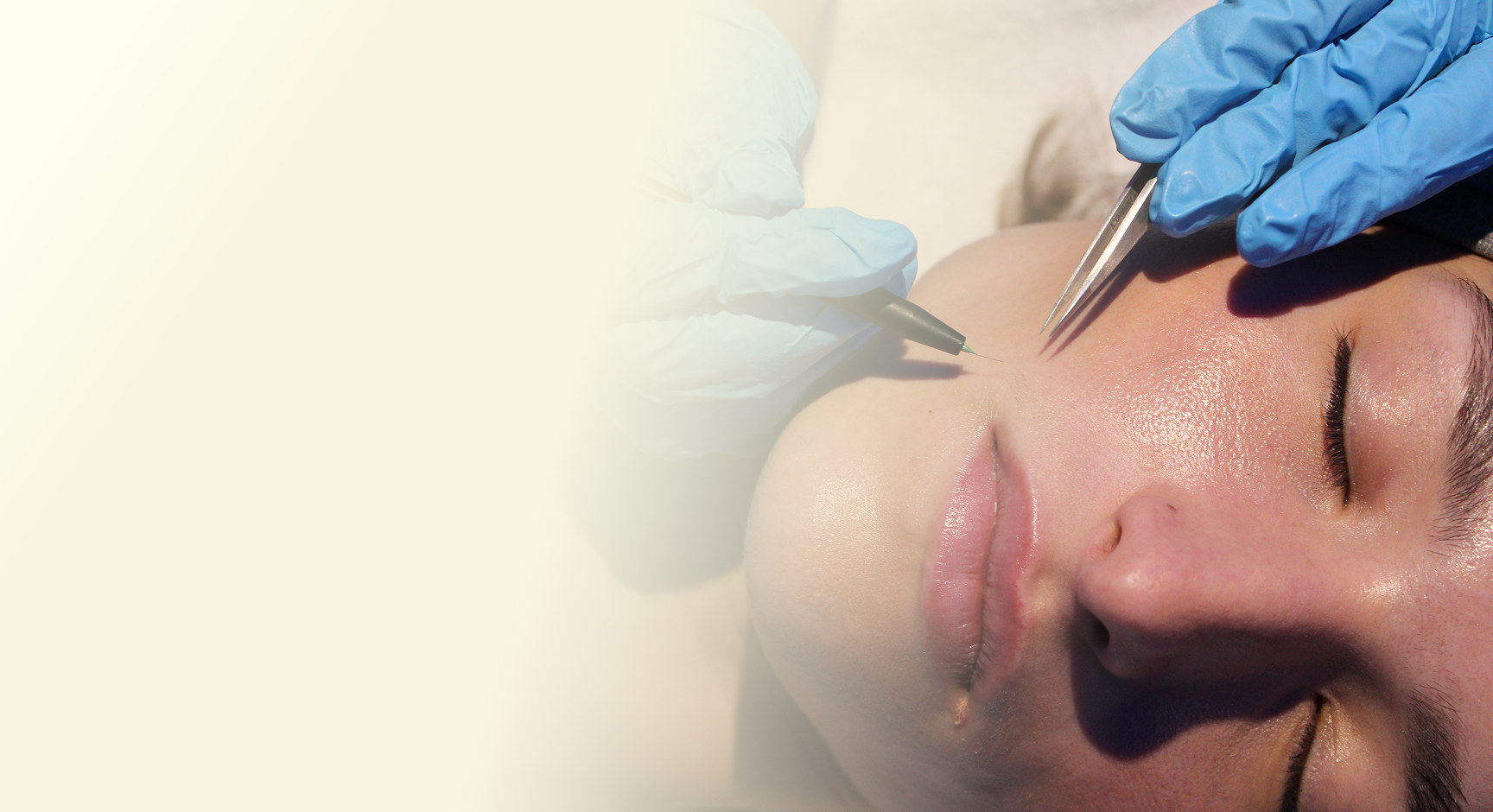

Foot Hair Is a Sandal-Season, Pedicure-Chair, Pool-Day Kind of Problem.
It’s the kind of hair you forget about until exactly the wrong moment—the pedicurist’s polite mention, a beach photo, sandals you wanted to wear but didn’t. Foot and toe hair sits in a zone with awkward angles for self-managed removal: trimming looks uneven within days, waxing the top of the foot is painful and imprecise, and shaving brings back stubble fast. Electrolysis closes the follicle. The foot stops being a recurring grooming item.
Precision on Small Surfaces—Without the Pigment Problem That Limits Laser.
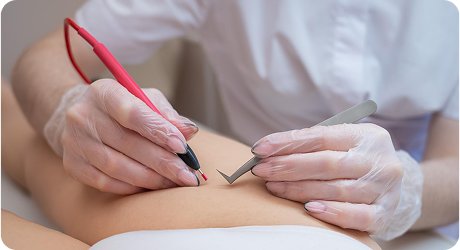
Electrolysis inserts a fine, sterile probe into each follicle and delivers a controlled pulse that permanently destroys the growth center. Foot and toe hair is often a mix: coarser darker hair on the tops of the toes, finer growth across the foot surface, sparse strays around the ankle. Laser misses the lighter fraction and struggles on the curved surfaces of toes. Electrolysis closes every follicle this zone produces, regardless of color or texture.
Small Zone. Fast Protocol. Done Before Sandal Season.
Feet and toes are one of the lowest-follicle-count zones in body electrolysis—session count is low, sessions are short, and the protocol has a defined end point. Most clients see meaningful reduction in the highest-visible areas within the first consistent months of sessions. The pedicure looks cleaner. Sandals stop being a calculation. The beach photo isn’t something to manage in advance. Once the follicles are closed, the foot stays clear permanently.

WHO IS FEET & TOES ELECTROLYSIS FOR?
When foot or toe hair becomes the thing you check before sandals, pedicures, or the beach—the smallest grooming detail with the most visibility—here’s who benefits most.
- Have toe or foot hair that shows up in sandals, on the beach, or at every pedicure.
- Have fine or light foot hair that laser hasn’t been able to treat.
- Want a permanent grooming upgrade for the feet as part of a broader body protocol.
- Get regular pedicures and want feet to maintain a cleaner baseline between appointments.
- Are treating feet alongside other body zones—commonly paired with legs—in the same session.
- Skin on the feet is currently irritated, cut, or has an active infection—we wait until it clears.
- You’re expecting immediate single-session clearance—hair grows in cycles so a short series is needed.

Electrolysis vs Waxing vs Laser Hair Reduction
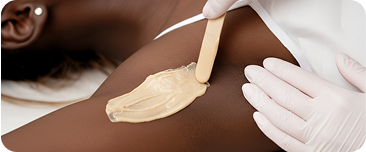
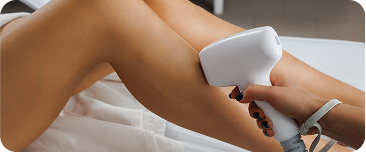
Waxing is temporary, laser is partial, electrolysis is permanent. Different tools, different results.
-
Perfect, individual-hair precision
-
Safe for all skin tones
-
Effective on all hair colors
-
Brief heat sensation
-
PERMANENT REMOVAL, NOT JUST REDUCTION
-
Approximate precision
-
All skin tones
-
All hair colors
-
Ripping sensation
-
Temporary results
-
Approximate (~½” applicator) precision
-
Struggles with dark & tan skin
-
Limited on light, gray, red, or fine hair
-
Snapping sensation
-
Permanent reduction
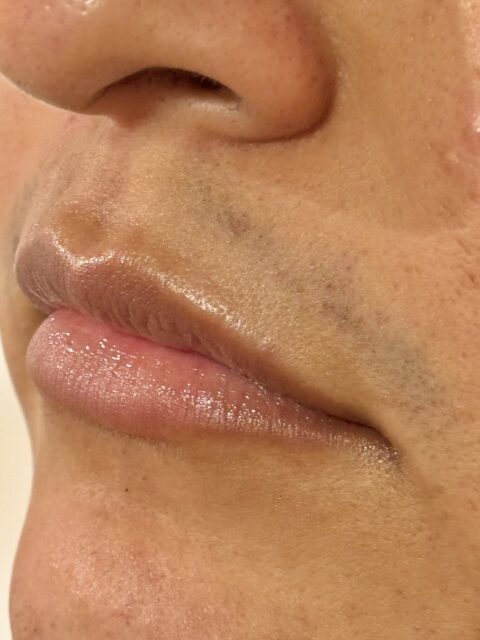
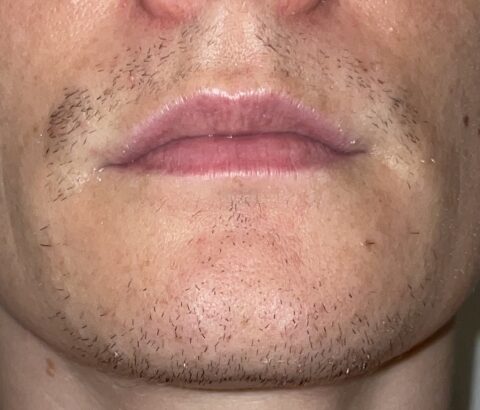
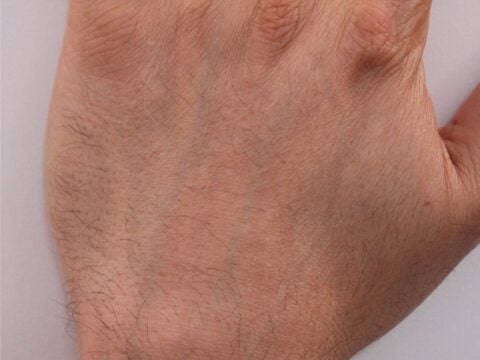
Electrolysis Results
See the visible reduction achieved through consistent electrolysis treatments over multiple sessions.
Results may vary depending on hair colors, treatment area, and consistency.
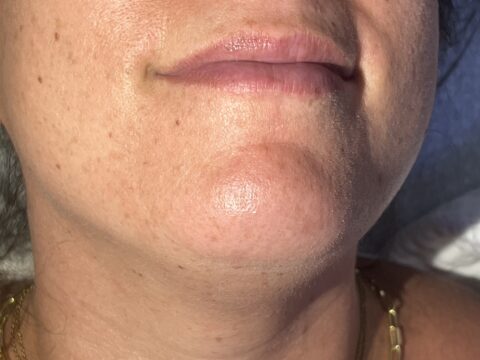 Before
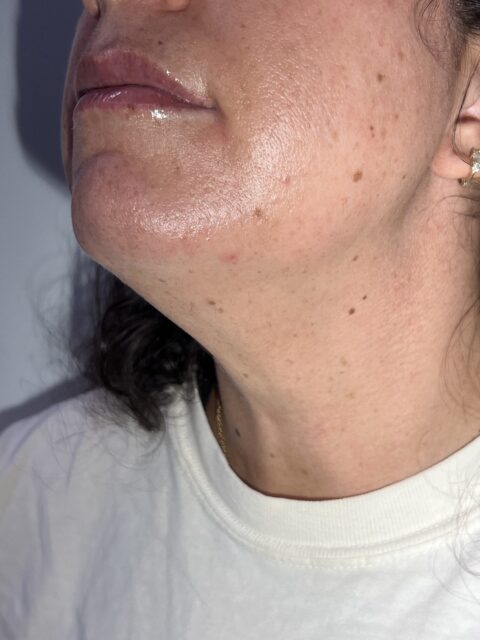 After 23 sessions
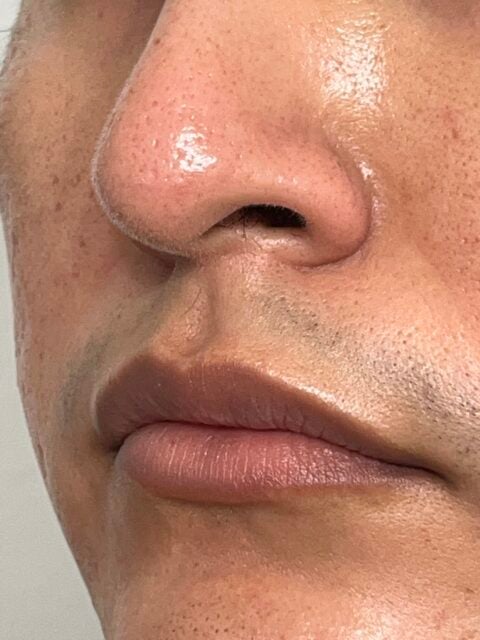 Before
 After 12 sessions
 Before
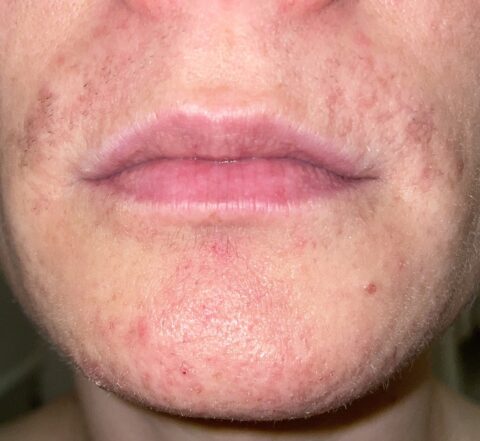 After 31 sessions
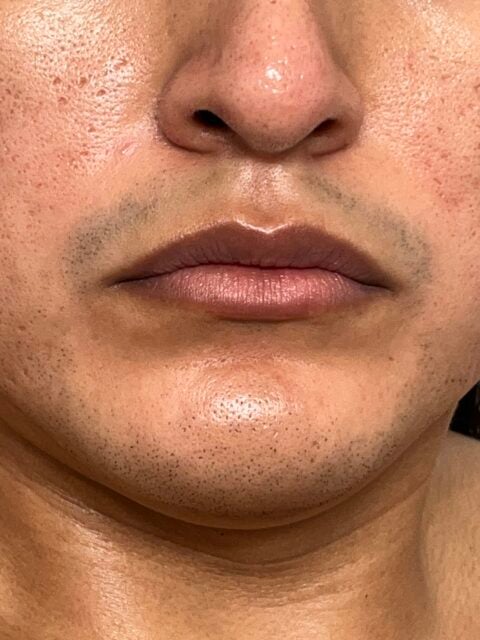 Before
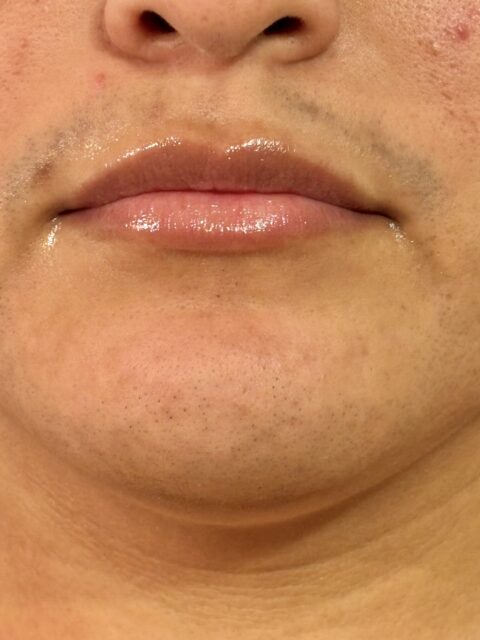 After 12 sessions
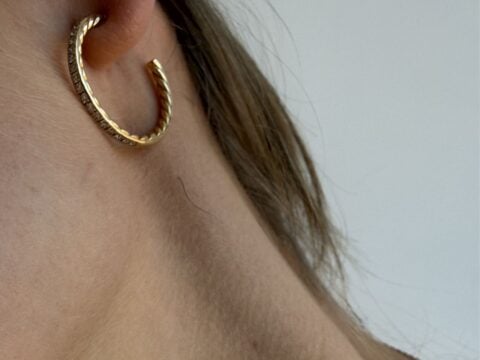 Before
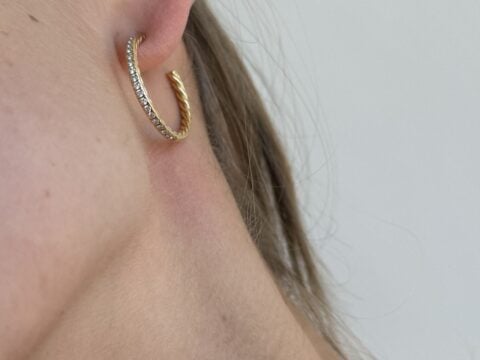 After 1 session
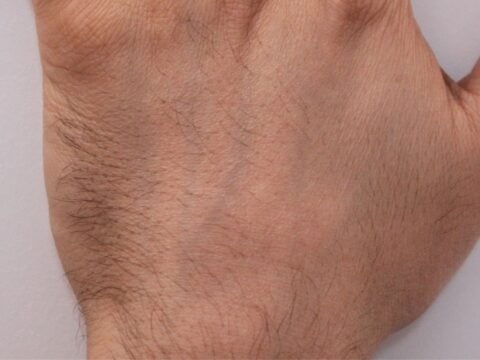 Before
 After 15 sessions
THE NIOS STANDARD

-
M.D. FOUNDED
Josh Gordon, M.D., earned his medical degree at NYU School of Medicine — then chose to build Nios rather than pursue a license. He leaves the treatments to the people who do them best: our licensed estheticians and trained electrologists.
-
SCIENCE, NOT SALES
Our technicians are paid to clear your skin, not to upsell you. No quotas, no pressure—just results.
-
CLINICAL-GRADE TECH
Apilus xCell Technology. We use the fastest, most precise epilators on the market.
-
RIGOROUS TRAINING
Expert hands only. Hand-picked and continuously tested. We hire for precision and keep for kindness.
-
OPEN 7 DAYS 9am–8pm
Locations across NYC with complimentary high-end sound healing systems. Your records sync across all of them, treat wherever is convenient.
THE TEAM
We are a multidisciplinary team of licensed estheticians, electrologists, engineers, creatives, and more—sharing expertise across disciplines and united by a single goal: You.













































YOUR QUESTIONS, OUR ANSWERS
-
How many sessions does foot and toe electrolysis take?
Fewer than almost any other zone. The tops of feet and toes contain a relatively small number of follicles—far less than larger body areas like legs or back. Most clients see the most prominent hairs cleared within the first few consistent sessions, with follow-up appointments catching follicles that were dormant earlier. Because the total follicle count is genuinely low, this is one of the faster-finishing protocols in body electrolysis. A realistic estimate comes from your consult.
Concierge Note:
This is one of the quicker wins in electrolysis—small zone, low follicle count, specific goal. Most clients find the protocol contained and the early results satisfying. If you’re combining feet with legs or other body zones, the consult is the right place to map the full scope and sequence efficiently. Book a Nios consult in Manhattan, Brooklyn, Queens, or Union Square. -
Does foot electrolysis hurt?
Foot and toe skin varies in sensitivity—the tops of the feet and toes themselves can run more sensitive than thicker zones like the legs. You’ll feel a quick heat pulse at each follicle. Session time for this zone is short, which keeps cumulative sensation low. We calibrate energy throughout the session and work inside your tolerance. For clients particularly sensitive in this area, topical numbing is available—ask when booking so we can build it into your appointment timing.
Concierge Note:
Most clients find foot sessions more manageable than expected because the zone is so contained. The anticipation tends to run ahead of the reality. We distinguish between sensation and pain, and the foot is small enough that cumulative discomfort doesn’t build the way it might on larger zones. Nios offers numbing options if sensitivity is a real concern. -
Can I treat feet and toes in the same session?
Yes—feet and toes are essentially treated as a combined zone. Both surfaces are mapped together at your consult and addressed in the same session. The protocol is efficient because the zones are adjacent and the total follicle count is finite. Many clients also combine feet with other body zones in the same session—legs are a natural pairing since the protocol is already on the lower body.
Concierge Note:
If you’re treating legs, ankles, or other adjacent body zones, addressing feet at the same time is more efficient than scheduling separately. Your Nios esthetician maps the full scope at the consult and sequences zones based on what your skin can handle in one sitting. Most clients who add feet to a leg protocol find it adds minimal session time for a permanent result on a high-visibility zone. -
Can electrolysis remove very fine foot hair?
Yes—if the hair is visible and the follicle is accessible, electrolysis can permanently close it. The probe targets the follicle structure directly with controlled heat, independent of hair color or thickness. Very fine foot or toe hairs that are too light or sparse for laser to detect are fully within scope. The practical qualifier: hair needs to be present in the follicle at the time of treatment so we can locate and target it.
Concierge Note:
Most clients with fine foot hair have been told laser isn’t an option—that’s accurate for laser, and it doesn’t apply to electrolysis. The visibility threshold for what electrolysis can treat is much lower than what laser requires. The consult is where we look at the foot directly and confirm what’s treatable based on what we actually observe. -
Can I get a pedicure right after my session?
Wait at least twenty-four to forty-eight hours after a foot electrolysis session before a pedicure. Treated follicles are temporarily open and reactive, and pedicure-room conditions—foot baths, lotion application, friction—can irritate freshly treated skin or introduce contamination. If you have a regular pedicure schedule, time your electrolysis sessions with a day of buffer between treatment and the next pedicure.
Concierge Note:
For clients with regular pedicure routines, the simplest pattern is to book electrolysis a few days before your next pedicure rather than right after one. That way the pedicure removes any residual stubble while the treated follicles are well past the initial recovery window. Your Nios electrologist walks through pedicure timing at the consult so the routine stays clear. -
What should I avoid before a foot electrolysis appointment?
Stop tweezing or waxing the foot area—hair needs to be present in the follicle for treatment. Shaving is fine up until four days before your appointment. Avoid heavy foot cream, lotion, or self-tanner on the treatment area the day of your session—come in with clean, product-free skin. If you’ve had a recent pedicure with aggressive callus work or paraffin treatment, let your esthetician know; skin may need a few days to recover before treatment.
Concierge Note:
The prep is straightforward: stop plucking, keep shaving until four days out, show up clean. If you have any foot-specific skin concerns—chronic dryness, eczema, athlete’s foot history—mention them at your consult. We adjust around skin health, not just hair removal. Across Manhattan, Brooklyn, Queens, and Union Square, the prep checklist is the same.
Related Solutions
Many similar clients also treat
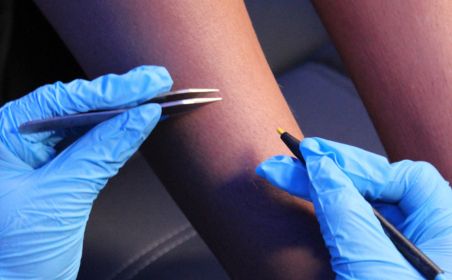
Leg permanent hair removal electrolysis
Does shaving, waxing, or lasering your legs feel like a recurring bill? Electrolysis may be for you.
Learn More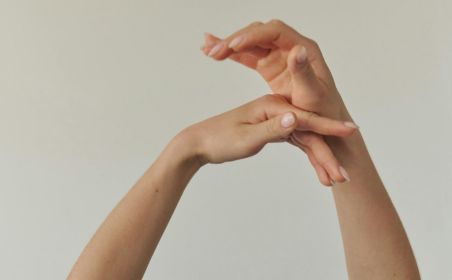
Arms & Hands Electrolysis
From upper arm to forearm to the back of the hands—electrolysis permanently closes every follicle the zone produces, regardless of hair color or skin tone.
Learn More
Light hair: white/grey/blonde
White, gray, blonde, red, fine—if other methods left it behind, we finish the job. Electrolysis doesn’t need pigment. It targets the follicle directly.
Learn MorePRICING
Electrolysis
Pricing goes by time
Junior Technician
$0
Senior Technician
$0
All Nios electrologists receive the same rigorous training. Senior electrologists offer more years of hands-on experience.
How Much Time Do I Need?
Electrolysis is billed by time, not body part, since every client’s hair density and treatment area are different.
-
Small areas
Lip, chin, eyebrows, fingers: ~5–30 minutes
-
Medium areas
Underarms, bikini: ~30–60 minutes
-
Large areas
Legs, chest, back, etc.: 60 to 120+ minutes
The exact timing varies from person to person — for example, underarms may take 30 minutes for one client and a full hour or more for another.
The best way to know what your treatment plan will look like is to book a free consultation, where we can assess your hair in person and give you a personalized estimate.
How many sessions do I need?
Hair grows in cycles—only active follicles can be treated, so multiple sessions are required. Most clients achieve permanent results within 12–18 months: twice a month at first, then monthly as hair thins.
Book a free consultation for a personalized estimate.
Client Testimonials


