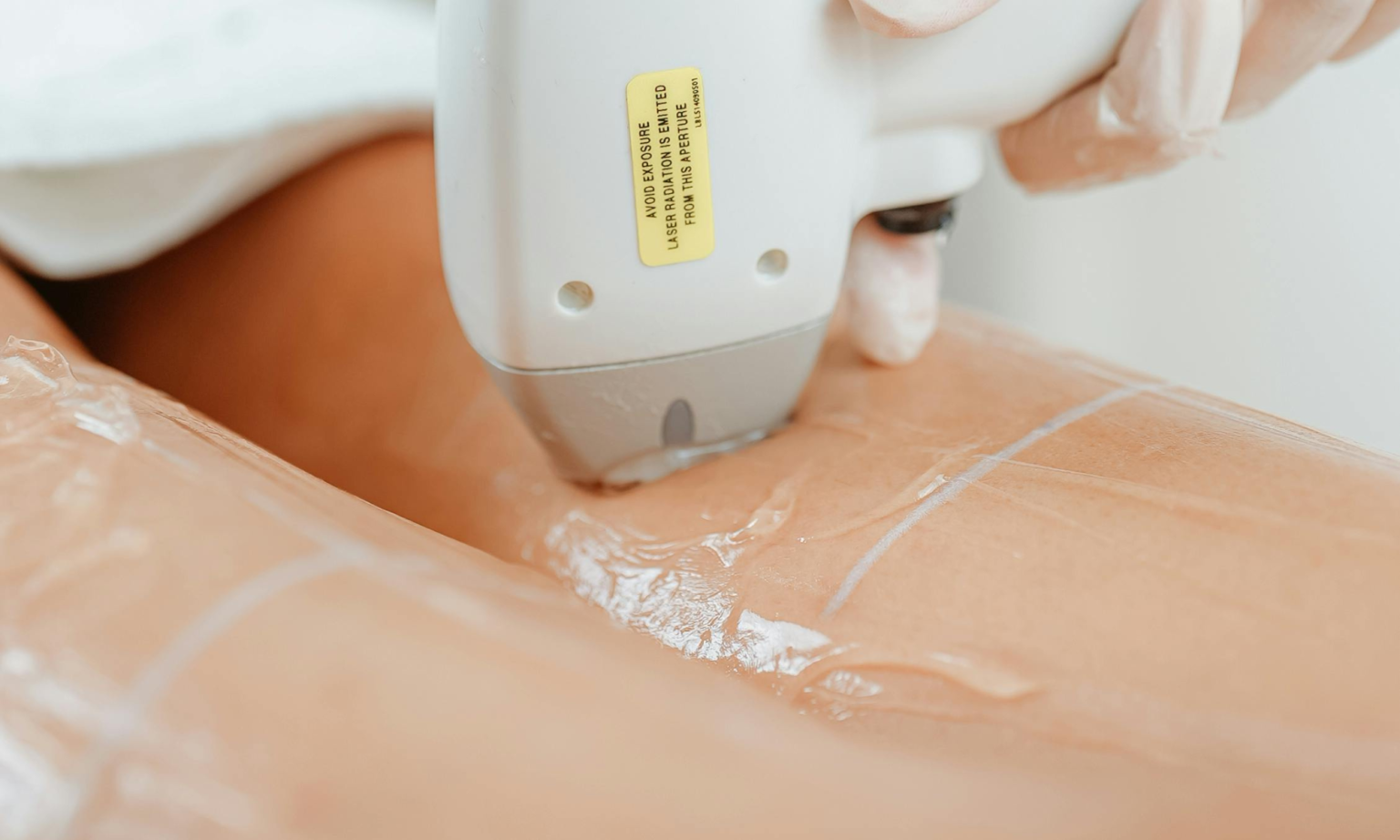
Still Have Hair After Laser? You’re Not Imagining It
Finished a full laser series and the hair came back? You’re not imagining it. Here’s why laser leaves hair behind—and the method that finishes what it couldn’t.
Why laser leaves hair behind—and what actually finishes the job.
You did the full series. Six sessions, maybe eight. You spaced them out, you shaved between appointments like you were told, you paid for the package. And the hair is… still there. Thinner in places, patchy in others, with stubborn survivors that never got the memo.
Here’s the part the package didn’t spell out: that’s not a failed treatment. That’s laser working exactly as designed. Understanding why is the difference between booking another round that’ll disappoint you the same way—and switching to the thing that actually finishes.
Reason 1: Laser Was Never “Removal” to Begin With
Laser is generally FDA-cleared only for permanent hair reduction—not removal. That’s not a technicality; it’s the whole ballgame. Reduction means a real, significant drop in density and regrowth. Most clients see 80–90% after a full series, which is genuinely a lot. But the remaining 10–20% was always part of the deal, even when the marketing implied “forever.”
Electrolysis is permanent removal. If “gone” was the goal and laser was the tool, there was always going to be a gap. The gap isn’t your fault, and it isn’t your clinic’s either—it’s physics.
Reason 2: Laser Can’t See the Hair That’s Left
Laser works by aiming energy at the pigment in your hair. Dark hair absorbs it, the follicle takes the damage, the surrounding skin is spared. That mechanism is why laser is fast and effective on coarse dark hair—and also why it has a built-in blind spot.
The hairs still standing after your series are usually the light ones, the fine ones, and the gray or red ones—exactly the hairs with too little pigment for the laser to target. It physically cannot “see” them. Running another round won’t change that; you’d be pointing a pigment-seeking tool at hair that has no pigment to seek. This is the single most common reason people end up switching to electrolysis after laser.
Reason 3: Your Hormones Have a Vote
Laser damages follicles, but damaged isn’t always destroyed—and a hormonal shift can wake them back up. Pregnancy, menopause, thyroid changes, or starting and stopping medication can all coax treated follicles back into production, and switch on brand-new ones that were dormant during your sessions.
This is especially common with PCOS and hormonal hair. If the underlying driver is hormonal, laser is fighting the symptom while your endocrine system keeps reloading—and the regrowth it produces tends to be exactly the fine, light hair laser can’t catch in the first place. Two strikes at once.
So What Actually Finishes It?
Electrolysis is built for precisely this moment. A fine probe goes into each follicle and an electrical current destroys its ability to regrow—no pigment required, which means it works on every hair color, including the light and gray survivors laser left behind. And because each follicle is treated individually, it’s permanent at the follicle level: that hair is done.
The good news for post-laser clients: you’re often most of the way there. Laser already cleared the bulk, so what’s left is the cleanup—the scattered, fine, stubborn individuals. That’s frequently less total work than starting electrolysis from a full growth of hair, which means a shorter road than you might expect.
It’s not instant—electrolysis works with your hair’s growth cycle, so it takes a series of sessions (here’s how many you might need). But unlike another laser package, the sessions add up to an actual finish line.
Your Next Step
- Stop booking laser touch-ups for hair that has no pigment—it won’t work, however many rounds you buy.
- Don’t tweeze the survivors. Tweezing distorts the follicle and can make electrolysis harder; shaving between sessions is fine.
- Book a free consultation. We’ll look at what laser left, tell you honestly how much cleanup is realistic, and map it.
Laser got you most of the way. Book a free consultation and let’s finish the job—Manhattan, Brooklyn, or Astoria.


