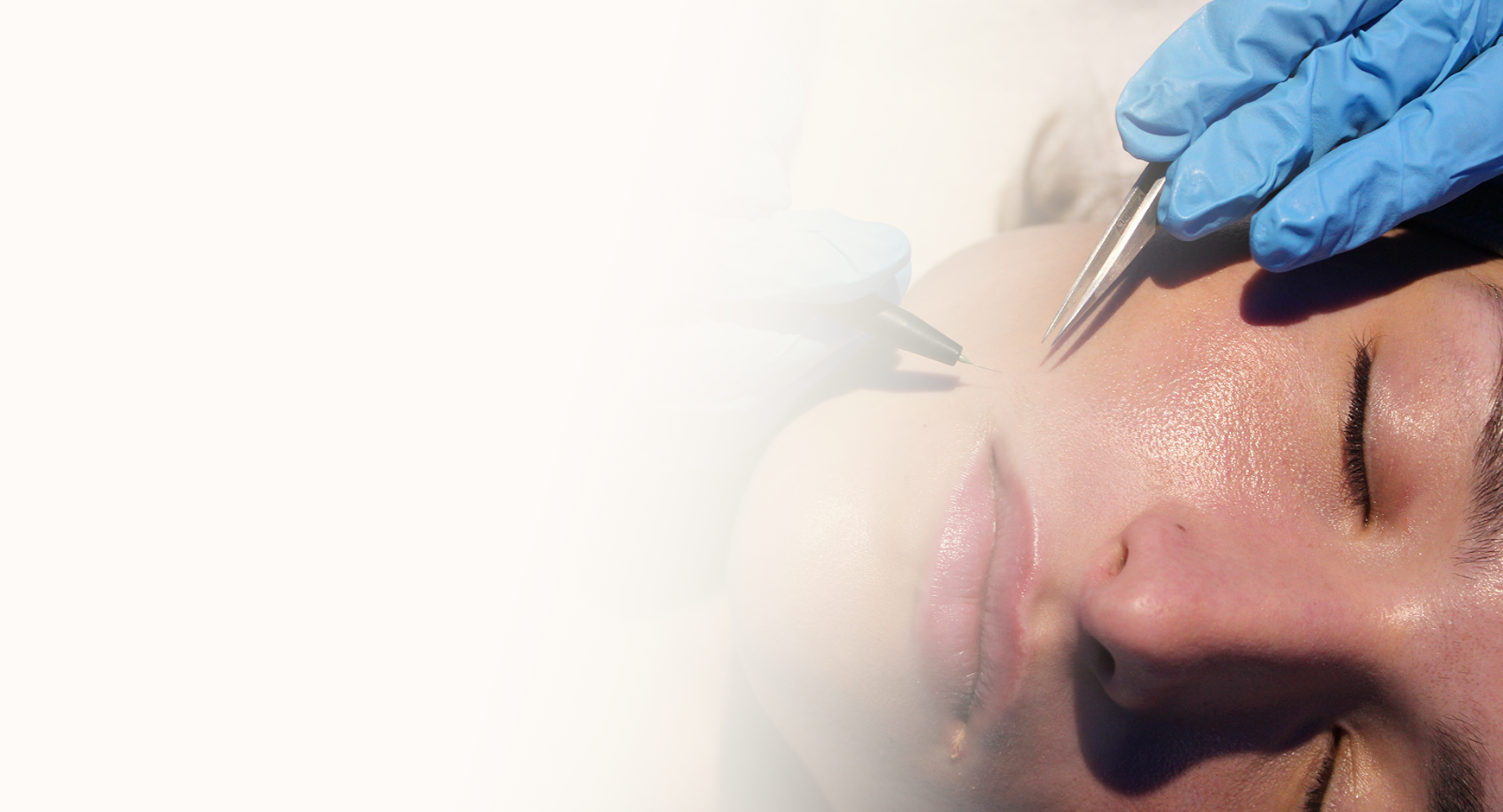

Arm Hair Rarely Causes a Crisis. It Just Never Stops.
The waxing appointment every few weeks. The shaving that grows back rough. The low-grade self-consciousness in short sleeves that isn’t dramatic but is always there. Arms are a large surface area managed with blunt instruments—methods that either pull at the skin or return with a texture change. Electrolysis closes the follicle directly. Arms, forearms, hands, or any combination: the hair stops because the source stops.
One Method for Every Arm Hair Profile—Regardless of Color, Texture, or Skin Tone.
Electrolysis inserts a fine, sterile probe into each follicle and delivers a controlled pulse to the growth center, permanently disabling regrowth. Arms produce a wide range of hair profiles: coarser, darker upper arm hair; finer forearm coverage; light or blonde growth that laser can’t target. Electrolysis treats every texture and color in the same session, at the same permanent result. Coverage is complete—not limited to what laser can detect.

Arms and Hands Clear. No Schedule to Maintain, No Growth to Track.
Arms are a large zone—not a complicated one. Most clients see meaningful density reduction in the highest-visible areas within the first consistent months of sessions. Full arm, forearm-only, or hands-only protocols each have a defined scope and a realistic finish. What changes isn’t just the hair: it’s the seasonal calculation—short sleeves, swimwear, summer plans—that used to factor into your schedule. When the follicles close, the calendar clears.

Who is Arms & Hands Electrolysis for?
When arm hair has been on the grooming list long enough—waxing appointments, seasonal self-consciousness, methods that never quite finish—this is for you.
- Wax or shave your arms regularly and want to permanently remove that from your routine.
- Have arm hair that’s become more noticeable or coarser over time.
- Have lighter, blonde, or mixed-color arm hair that laser hasn’t reliably treated.
- Have visible knuckle or finger hair that shows up in close-up photos, during manicures, or in certain lighting.
- Want to treat arms as part of a combined body protocol—commonly paired with underarms or legs.
- Skin in the treatment area is currently sunburned, actively irritated, or recently waxed—we wait for a stable surface.
- Skin is actively irritated, broken out, or recently waxed—we stabilize first.
- You’re looking for extremely fine vellus-only coverage across the full arm.

Electrolysis vs Waxing vs Laser Hair Reduction
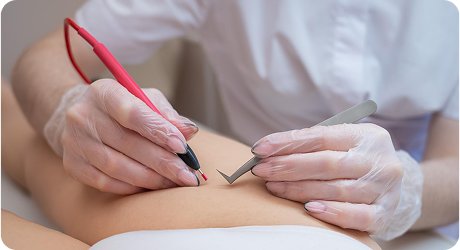
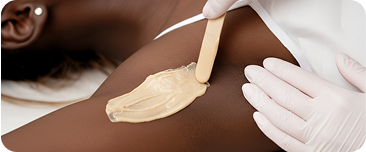
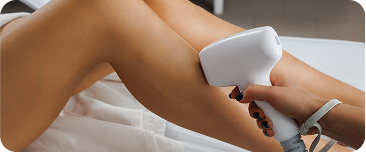
Waxing is temporary, laser is partial, electrolysis is permanent. Different tools, different results.
-
Perfect, individual-hair precision
-
Safe for all skin tones
-
Effective on all hair colors
-
Brief heat sensation
-
FDA-RECOGNIZED PERMANENT REMOVAL
-
Approximate precision
-
All skin tones
-
All hair colors
-
Ripping sensation
-
Temporary results
-
Approximate (~½” applicator) precision
-
Struggles with dark & tan skin
-
Limited on light, gray, red, or fine hair
-
Snapping sensation
-
Permanent reduction
Electrolysis Results
See the visible reduction achieved through consistent electrolysis treatments over multiple sessions.
Results may vary depending on hair type, treatment area, and consistency.
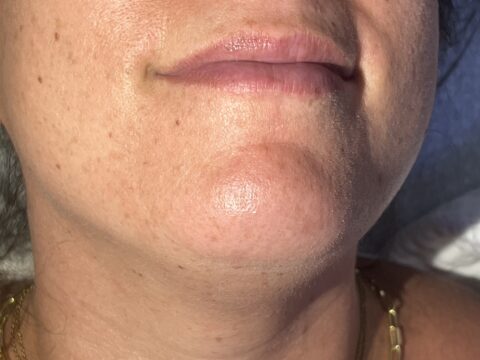 Before
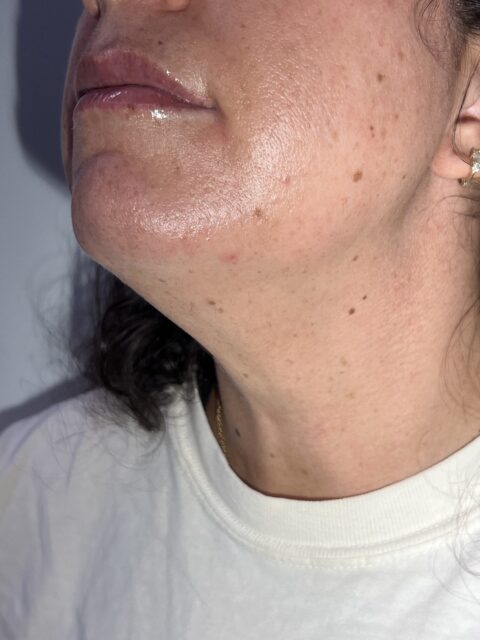 After 23 sessions
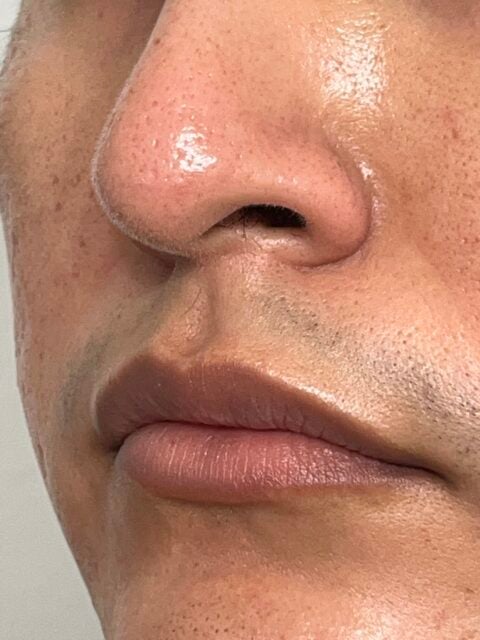 Before
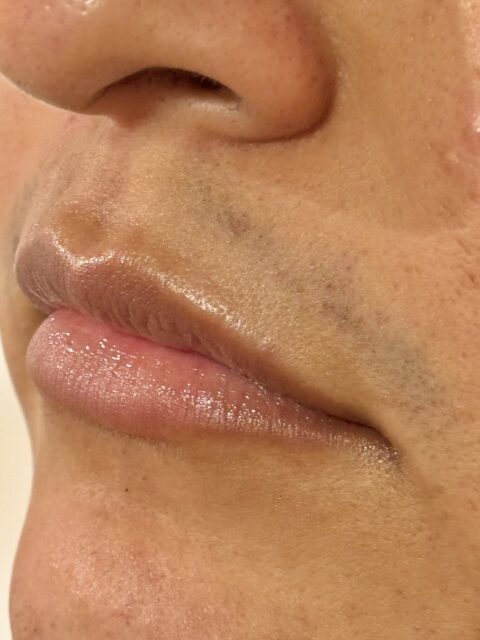 After 12 sessions
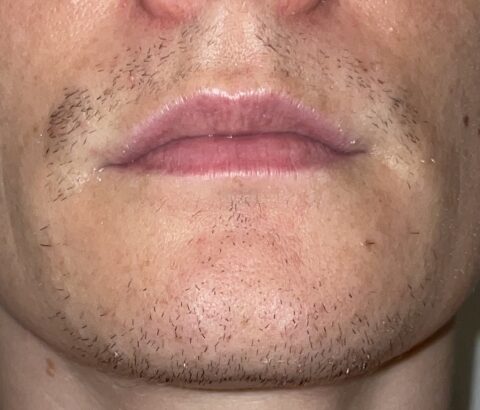 Before
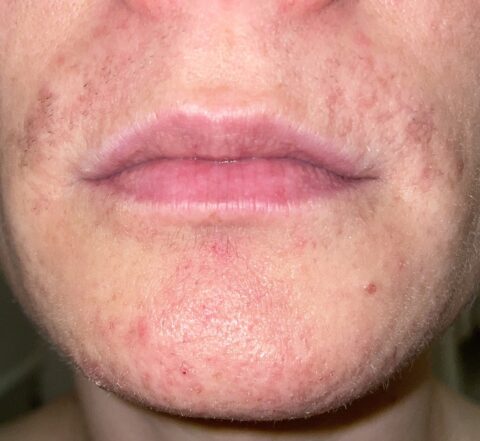 After 31 session
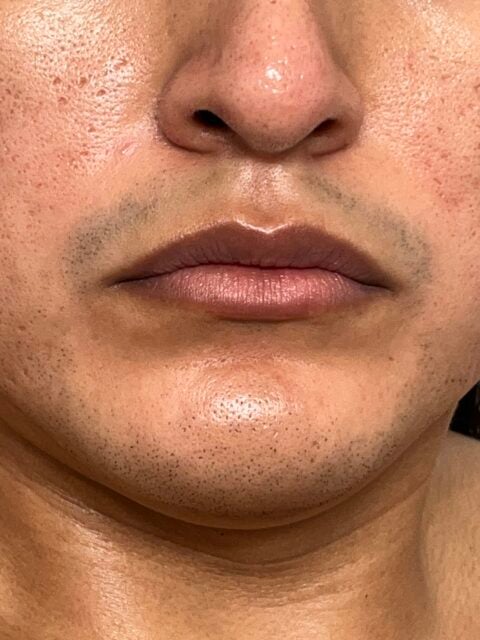 Before
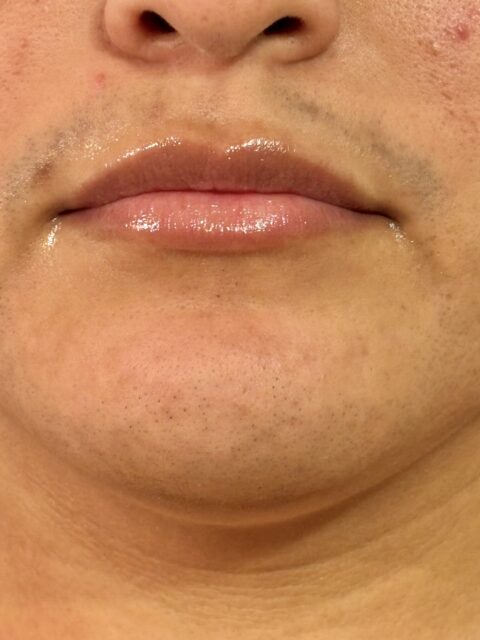 After 12 sessions
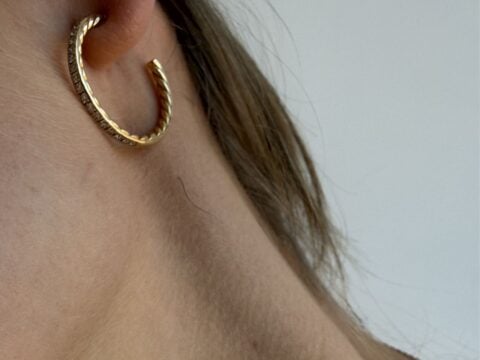 Before
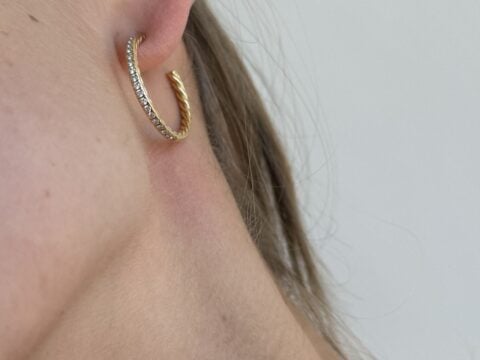 After 1 session
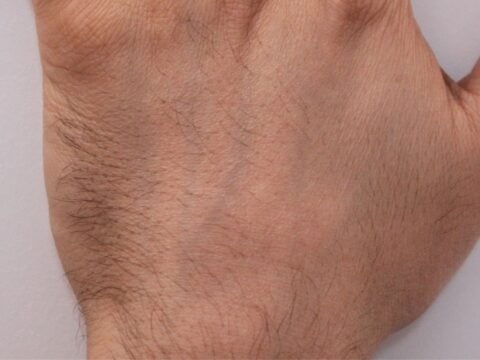 Before
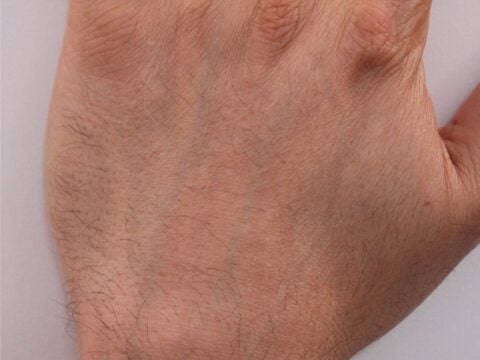 After 15 sessions
The NIOS Standard

-
M.D. Founded
Protocols designed by an M.D.. We adhere to safety and hygiene standards that go beyond typical spa requirements.
-
Science,not sales
Our technicians are paid to clear your skin, not to upsell you. No quotas, no pressure—just results.
-
Clinical-Grade tech
Apilus xCell Technology. We use the fastest, most precise epilators on the market.
-
Rigorous training
Expert hands only. Hand-picked and continuously tested. We hire for precision and keep for kindness.
-
Open 7 days 9am–8pm
Locations across NYC with complimentary high-end sound healing systems. Your records sync across all of them, treat wherever is convenient.
The Team
We are a multidisciplinary team of healthcare experts, licensed estheticians, electrologists, engineers, creatives, and more—sharing expertise across disciplines and united by a single goal: You.













































Your Questions,
Our Answers
-
How many sessions does arm electrolysis take?
Arms are a larger surface area than most body zones, which means session count is higher than small precision zones but the protocol is still finite. Most clients see meaningful density reduction in the highest-visible areas within the first consistent months of sessions. Full arms take longer than forearms-only, and upper arm hair typically runs denser than forearm coverage. A realistic timeline is built at your consult based on what we observe—surface area, hair density, and which zones you’re prioritizing.
Concierge Note:
Most clients start with the highest-visibility zone—usually upper arms or whatever shows most in short sleeves—and expand from there as results build. You don’t have to commit to the full arm on day one. Starting with priority areas, seeing early results, and adding scope as the protocol progresses is a common and sensible approach. Your Nios esthetician maps the scope at your consult so the plan reflects your actual goal, not a maximum. Book a Nios consult in Manhattan, Brooklyn, Queens, or Union Square and we’ll scope the arm protocol based on your actual density and priorities. -
Does arm electrolysis hurt?
Arms are among the more comfortable body zones for electrolysis—skin is thicker than facial zones, and follicle spacing on the forearm is typically wider than on dense areas like the bikini line or underarms. The inner arm and areas near the elbow crease run slightly more sensitive than the outer surfaces. Most clients find arm sessions straightforward and well within a manageable sensation range. We calibrate energy throughout and work inside your tolerance as with any zone.
Concierge Note:
If you’ve had electrolysis on facial zones and found them manageable, arms will likely feel easier. If arms are your first electrolysis zone, they’re a reasonable starting point—the sensation is representative without being among the more intense areas. Most clients leave their first arm session having revised their expectations downward. See our Pain & Sensation Guide for the full zone-by-zone reference. -
Should I treat full arms or just forearms?
That depends on your goal—both are valid protocols. Forearm-only is a more targeted scope for clients whose concern is primarily what shows in short sleeves or when rolling up cuffs. Full arm treatment including upper arm addresses the full visible surface and is common for clients treating arms as part of a broader body protocol. Hands-only is also an option for clients whose concern is specific to the back of the hands or knuckles. We assess the scope at your consult and build around your actual priority.
Concierge Note:
Most clients who start with forearms end up adding upper arms once the forearm results are visible—the contrast motivates expanding scope. Starting narrower and widening is always an option, and it keeps the initial commitment manageable. If you’re unsure what scope makes sense, your Nios consult is where we look at the full surface, discuss what matters most to you, and scope accordingly. -
Why doesn't laser work well on some arm hair?
Arm hair is frequently mixed in color—coarser, darker hairs on the upper arm alongside finer, lighter forearm coverage—and laser requires melanin contrast to function. The lighter and finer fraction is essentially invisible to the laser device, leaving a patchy result even after multiple sessions. For clients with naturally blonde, light, or gray arm hair, laser produces minimal results across the full zone. Electrolysis closes every follicle regardless of color or texture—the full arm profile, not just what laser can detect.
Concierge Note:
The gap between “laser worked on my underarms” and “laser barely touched my arms” is usually a melanin distribution difference between zones. Arm hair—especially forearm coverage—skews lighter than many other body zones. If you’ve done laser on your arms with incomplete results, the remaining hairs are a predictable profile electrolysis is specifically suited for. Book a Nios consult and we’ll assess what’s left and what a finishing protocol looks like. -
What does arm skin look like after a session?
Mild redness and small swelling around treated follicles are the normal response and typically settle within a few hours. Arms are generally less reactive than facial zones, and post-session skin usually recovers quickly. Avoid heavy sun exposure, self-tanner, and tight-sleeved clothing that could friction the treated area for one day. Normal daily activity is fine. Most clients find they can schedule arm sessions around regular routines without significant disruption once they know how their skin responds.
Concierge Note:
Arms are one of the easier post-session zones to manage—visible enough to monitor, recovers fast, and doesn’t affect daily function. Most clients wear whatever they’d normally wear the same day without issue. If you’re planning to be in short sleeves for something important—an event, a photo shoot—give yourself a day or two of buffer after a session. Once you’ve had a couple of sessions and know your skin’s response, you can schedule with precision. -
Can I treat arms and underarms together?
Yes—and it’s one of the most efficient combined protocols in body electrolysis. Arms and underarms are adjacent zones that make sense to address in the same session because you’re already treating the upper body. Total session scope is mapped at your consult based on what we observe across both areas. Treating both simultaneously means faster overall results across the full upper body rather than completing one zone and then starting the other.
Concierge Note:
Most clients combining arms and underarms find the combined session more efficient than they expected—the zones don’t add proportionally to session time because the transitions are short. If legs or bikini are also part of your body protocol, that’s worth discussing at your Nios consult so we can map the full scope and sequence efficiently from the start. -
Can electrolysis remove knuckle and finger hair?
Yes—knuckle and finger hair is one of the most precise applications of electrolysis. The probe matches the width of the hair shaft, which makes it well-suited to the curved, irregular surfaces of knuckle and finger skin. Hair in this zone is often fine and sometimes lighter—exactly the profile laser can’t detect or treat. Electrolysis closes individual follicles regardless of color or thickness, with a low total follicle count that means this zone often resolves faster than expected.
Concierge Note:
Most clients addressing knuckle or finger hair have been told laser isn’t an option—and for laser, that’s accurate. It doesn’t apply to electrolysis. The hands and knuckles are a small, contained zone with a defined finish line. If you’re treating the full arm, knuckles add minimal session time for a permanent result on a high-visibility area. Ask your Nios electrologist at your consult how to incorporate it.
Related Solutions
Many similar clients also treat

Back shoulder permanent hair removal electrolysis
When back and shoulder hair is stubborn, patchy, or impossible to manage, the right treatment can change everything.
Learn More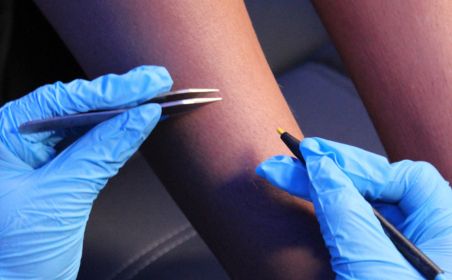
Leg permanent hair removal electrolysis
Does shaving, waxing, or lasering your legs feel like a recurring bill? Electrolysis may be for you.
Learn More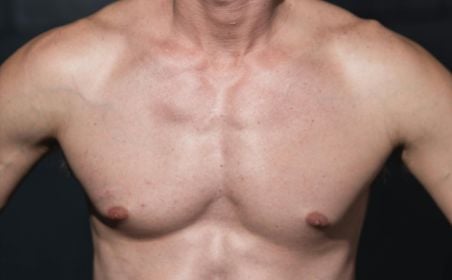
Chest hair removal
A clean chest, a controlled outline, or less density without the itchy regrowth.
Learn MorePricing
Electrolysis
Pricing goes by time
Junior Technician
$0
Senior Technician
$0
All Nios electrologists receive the same rigorous training. Senior electrologists offer more years of hands-on experience.
How Much Time Do I Need?
Electrolysis is billed by time, not body part, since every client’s hair density and treatment area are different.
-
Small areas
Lip, chin, eyebrows, fingers: ~5–30 minutes
-
Medium areas
Underarms, bikini: ~30–60 minutes
-
Large areas
Legs, chest, back, etc.: 60 to 120+ minutes
The exact timing varies from person to person — for example, underarms may take 30 minutes for one client and a full hour or more for another.
The best way to know what your treatment plan will look like is to book a free consultation, where we can assess your hair in person and give you a personalized estimate.
How many sessions do I need?
Hair grows in cycles—only active follicles can be treated, so multiple sessions are required. Most clients achieve permanent results within 12–18 months: twice a month at first, then monthly as hair thins.
Book a free consultation for a personalized estimate.
Client Testimonials


