



Light Hair Gets Ignored by “Standard” Hair Removal. Here’s Why—and What Actually Works.
The question behind this question is: “Why am I paying for treatments that don’t touch my problem?” Most mainstream hair removal marketing assumes dark hair. If you’re dealing with white chin hairs, blonde facial fuzz, grey regrowth, or red hair that never budges after a full laser series—you’re not imagining it, and you’re not being difficult. Pigment-based methods depend on contrast, and light hair doesn’t give them much to work with. If you’ve been stuck in “maybe it worked a little,” that’s not you. It’s the tool. At Nios, we don’t sell hope. We map a protocol that matches the mechanism.
Follicle-Based, Not Color-Based. That’s the Whole Difference.
Laser and IPL look for contrast—darker hair against lighter skin—so the energy can concentrate in the hair shaft. When the hair is pale (white, grey, blonde, red), that contrast collapses. Outcomes become inconsistent, and in some cases the skin absorbs more energy than the hair, raising the risk of burns and pigmentation damage without actually treating the follicle. This is a physics problem, not a technique problem.

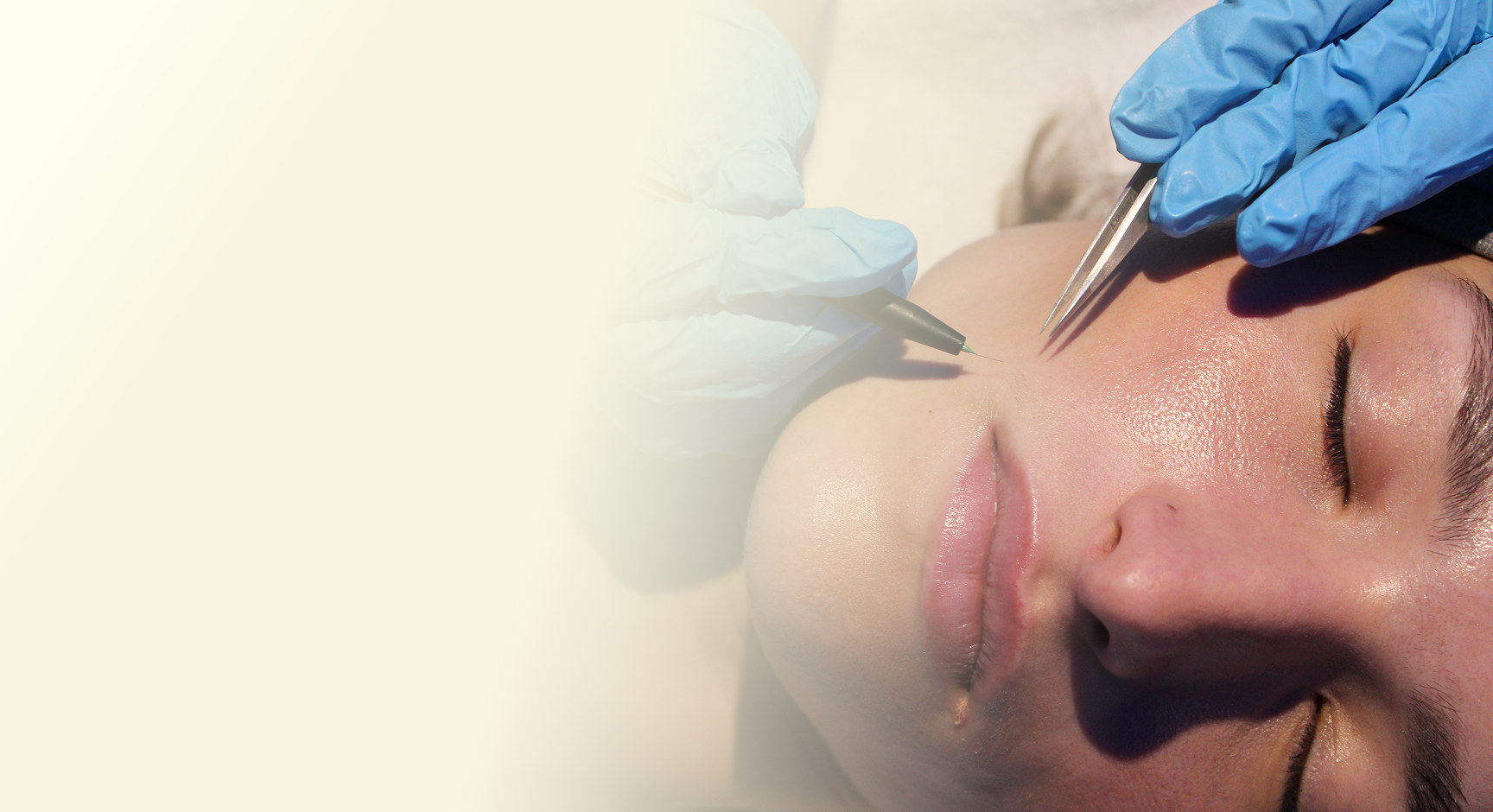
Electrolysis inserts a fine, sterile probe into each individual follicle and delivers a controlled pulse of heat directly to the growth center. The follicle’s ability to regenerate is permanently destroyed. Because the probe enters the follicle mechanically—not optically—there’s nothing about hair color that affects the outcome. White hair treats identically to black hair. Grey treats identically to dark brown. Fine fuzz treats identically to coarse growth. The follicle is the target. Pigment is irrelevant. This is why electrolysis is the only FDA-approved method for permanent hair removal: it’s the only method that works on every follicle, not just the ones with enough melanin for a laser to find.

The “Why Is This Still Here” Problem—Permanently Solved.
One of the most common situations Nios treats: someone has completed a full laser series. The dark hairs reduced. The grey ones, the blonde ones, the light ones—still there, exactly as before. Laser finished what it could reach and left the rest. Electrolysis picks up precisely where laser left off. Each remaining follicle is entered individually and permanently closed, regardless of color. No reset, no reduction—closure. For clients who’ve never had laser, the path is the same but more direct: every follicle in the zone treated from the start, regardless of shade.

Who Is electrolysis for?
If your hair is too light for laser but still impossible to ignore, here’s who electrolysis is a great fit for—and when it’s better to wait.
- Have white, grey, blonde, red, or mixed-color hair and want permanent removal.
- Have been turned away by laser clinics or received incomplete results.
- Have finished a laser series and still have persistent lighter hairs remaining.
- Have darker skin where laser carries additional risk and your hair is light enough to make it doubly unreliable.
- You expect a short, fixed course to clear everything—electrolysis hair removal requires consistency
- Are actively using strong exfoliants or retinoids and your skin is reactive—we’ll adjust your treatment plan so your skin can stay calm during the electrolysis process.
- Have an active infection or open skin in the treatment area—pause and we’ll pivot you to a skin-calming protocol first.
Electrolysis vs Waxing vs Laser Hair Reduction
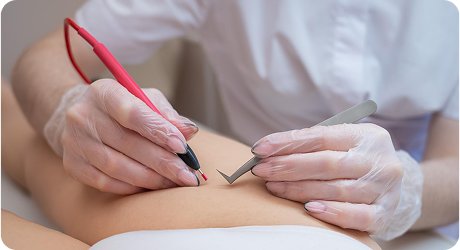
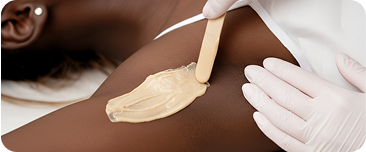
Waxing is temporary, laser is partial, electrolysis is permanent. Different tools, different results.
-
Perfect, individual-hair precision
-
Safe for all skin tones
-
Effective on all hair colors
-
Brief heat sensation
-
FDA-RECOGNIZED PERMANENT REMOVAL
-
Approximate precision
-
All skin tones
-
All hair colors
-
Ripping sensation
-
Temporary results
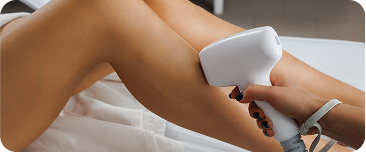
-
Approximate (~½” applicator) precision
-
Struggles with dark & tan skin
-
Limited on light, gray, red, or fine hair
-
Snapping sensation
-
Permanent reduction
Electrolysis Results
See the visible reduction achieved through consistent electrolysis treatments over multiple sessions.
Results may vary depending on hair type, treatment area, and consistency.
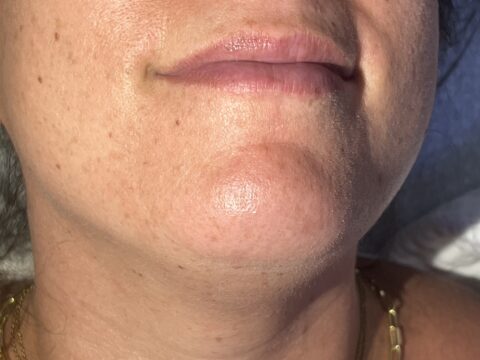 Before
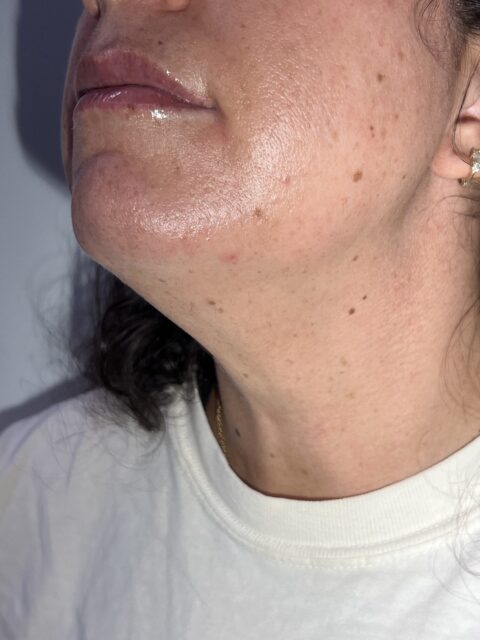 After 4 sessions
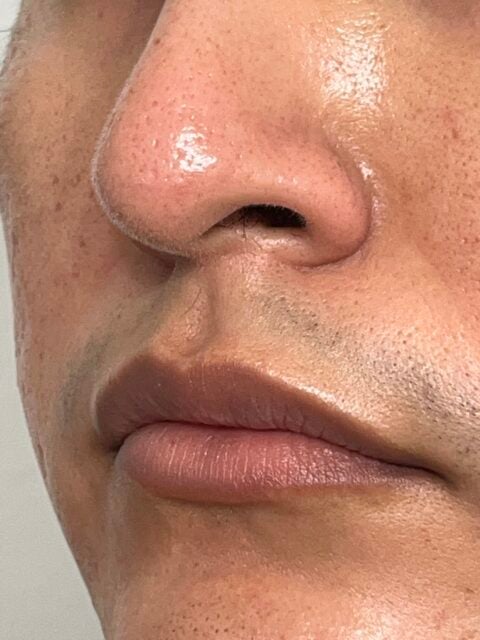 Before
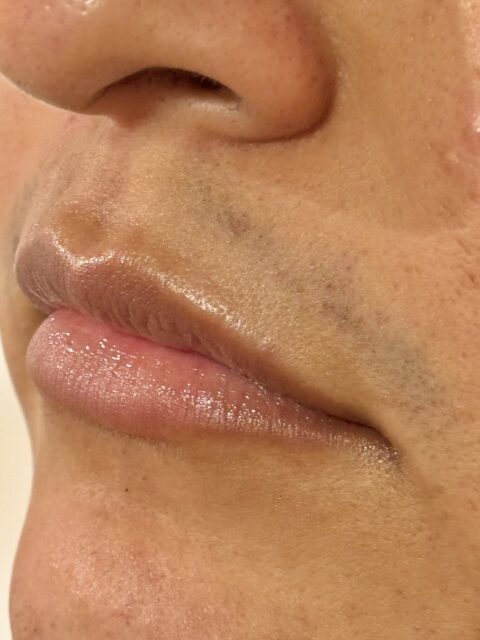 After 5 sessions
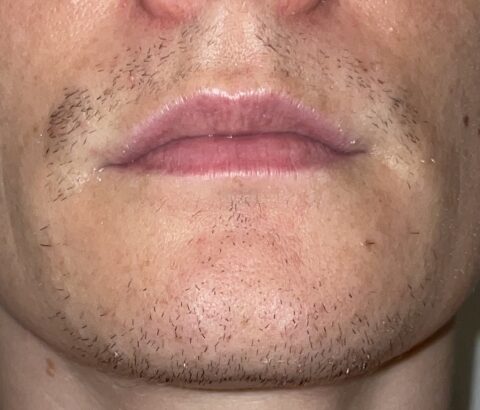 Before
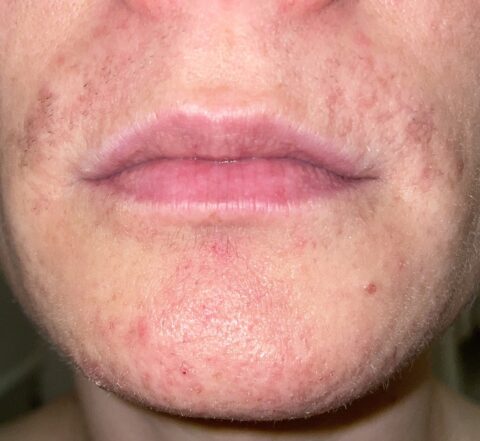 After 1 session
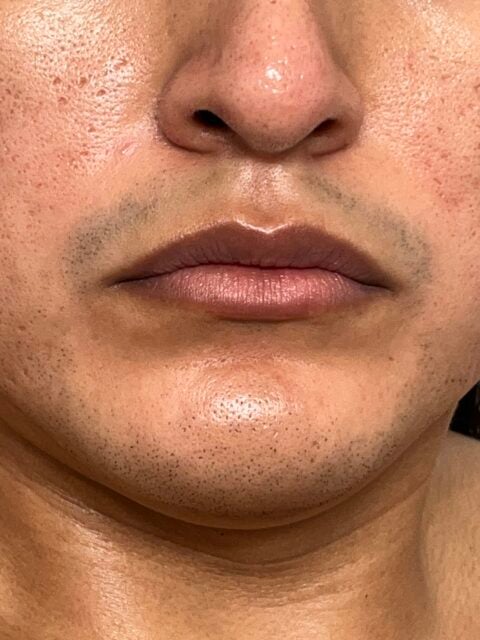 Before
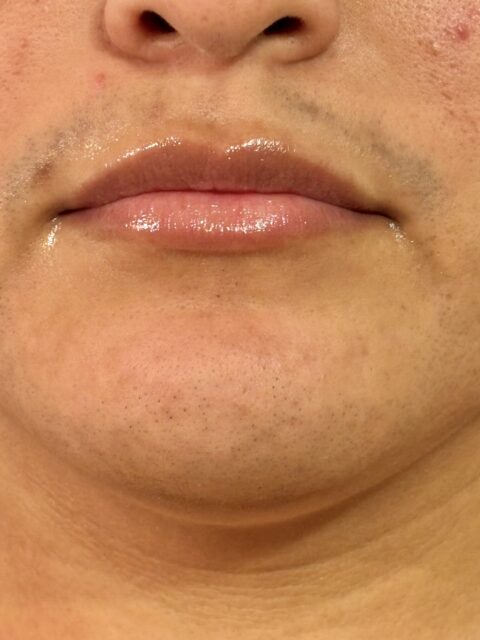 After 5 sessions
Before
After 4 sessions
Before
After 5 sessions
After 5 sessions
Before
After 4 sessions
Before
After 5 sessions

-
M.D. FOUNDEDProtocols designed by an M.D.. We adhere to safety and hygiene standards that go beyond typical spa requirements.
-
SCIENCE, NOT SALESOur technicians are paid to clear your skin, not to upsell you. No quotas, no pressure—just results.
-
CLINICAL-GRADE TECHApilus xCell Technology. We use the fastest, most precise epilators on the market.
-
RIGOROUS TRAININGExpert hands only. Hand-picked and continuously tested. We hire for precision and keep for kindness.
-
OPEN 7 DAYS 9am–8pmLocations across NYC with complimentary high-end sound healing systems. Your records sync across all of them, treat wherever is convenient.
THE TEAM
We are a multidisciplinary team of healthcare experts, licensed estheticians, electrologists, engineers, creatives, and more—sharing expertise across disciplines and united by a single goal: You.



































YOUR QUESTIONS, OUR ANSWERS
-
Why doesn't laser work on white, gray, or blonde hair?
Laser targets melanin in the hair shaft. White and gray hair has lost most or all of its pigment; blonde and red hair has minimal amounts. When laser energy can’t lock onto pigment, it either dissipates without treating the follicle or is absorbed by surrounding skin—producing irritation without results. This is a physics problem, not a technique problem. No machine, no clinic, and no number of sessions changes the underlying limitation.
Concierge Note:
Most clients with light hair have already been told laser isn’t ideal—what they haven’t been told is that permanent removal is still possible. Electrolysis doesn’t need pigment to work. If light hair is the reason you assumed permanent removal wasn’t an option, book a Nios consult. That assumption is wrong. -
Can electrolysis actually treat completely white or gray hair?
Yes—completely and permanently. Electrolysis doesn’t use light or target pigment at any stage. A fine probe enters each follicle directly and delivers controlled heat to the growth center. A white hair treats identically to a black hair. Gray treats identically to dark. Color is irrelevant to how the method works—which is why electrolysis is the only FDA-approved method for permanent removal: it’s the only method with no pigment dependency.
Concierge Note:
The follicle is what’s being targeted; the color of what it was producing doesn’t factor in. Most clients find this reassuring after years of being told their hair color made permanent removal impossible. It didn’t—it just made laser the wrong tool. Electrolysis across our NYC locations treats every color, every time. That’s the point. -
I've done laser and some hair is still there. Can electrolysis finish the job?
Yes—and this is one of the most common situations we treat. Laser typically reduces darker hairs in a mixed-color area while leaving lighter, finer, or gray hairs behind. Those remaining hairs are exactly what electrolysis handles: each follicle is entered individually and permanently closed regardless of color. Electrolysis picks up where laser left off, with no reset and no pigment requirement.
Concierge Note:
Laser gets you part of the way; Nios electrolysis finishes the job. The hairs that survived laser aren’t stubborn—they’re just the wrong color for the method. Bring the area to your consult and we’ll assess what’s remaining and build a protocol to close it out. Most clients find the remaining work is less than they expected. -
Can electrolysis treat very fine vellus fuzz?
Often yes—but the smarter move is selective. Some vellus hair is fine enough that treating it produces minimal visible result relative to the time invested. The better question is whether it should be treated, not just whether it can be. We target what actually reads: hairs that show on camera, disrupt texture, or have grown coarser and more visible over time. Selective treatment of the right zones consistently outperforms blanket clearing.
Concierge Note:
The consult is where we edit, not just plan. Most clients come in wanting to treat everything and leave with a smarter, more targeted scope that delivers faster, more visible results. For the full breakdown of when fuzz electrolysis makes sense and when it doesn’t, see our Peach Fuzz page. Ask your esthetician at your Nios consult which hairs are actually worth closing. -
Does electrolysis work differently on light hair versus dark hair?
The technique is identical—a probe enters each follicle and delivers heat to the growth center. Settings may be calibrated based on hair caliber: coarseness and depth affect follicle depth and the energy required. Fine blonde or vellus hair may be treated at slightly different settings than coarse gray hair for that reason. Color is never the variable. What matters is the follicle: its depth, its diameter, and its stage in the growth cycle.
Concierge Note:
This is the distinction most clients don’t realize: electrolysis is calibrated to follicle structure, not hair color. The settings adjust for what the follicle needs—not what it looks like. It’s one of the reasons the method is as effective on white hair as on black hair. Test, don’t guess—the patch test at your consult shows you the method in practice before you commit. -
Will electrolysis work on my light hair if I also have darker skin?
Yes—electrolysis is entirely independent of both hair color and skin tone. The probe enters each follicle mechanically; there’s no contrast requirement between hair and skin. This matters significantly for clients with darker skin and light hair, because that combination is doubly problematic for laser: light hair provides minimal pigment to target, and darker skin absorbs laser energy in ways that carry real risk of burns and pigmentation changes. Electrolysis carries none of those risks.
Concierge Note:
For that specific profile—lighter hair, darker skin—electrolysis isn’t just the better option, it’s the only viable one. Most clients in this category have been told permanent removal isn’t realistic for them. It is. Across our Manhattan, Brooklyn, and Queens locations, this is one of the most common situations we permanently resolve. Book a consult and we’ll show you exactly what the protocol looks like. -
What should I do before my appointment?
Stop tweezing or waxing before your session—the hair must be present in the follicle to target. This matters especially for light hairs that may be harder to see: if you’ve been plucking regularly, book the consult now and we’ll tell you how to time the regrowth so you’re not waiting longer than necessary. Shaving is fine in the interim. Come in with clean, product-free skin on the treatment area.
Concierge Note:
The prep list is short: stop plucking, keep shaving, show up clean. If you’ve been managing light chin or facial hairs with tweezers for years, the habit feels hard to break—but every hair you tweeze is a follicle we can’t close that session. We’ll give you specific pre-session timing guidance at your consult based on the area and growth cycle we observe. We make the boring part boring so the results can be permanent.


Related Solutions
Many similar clients also treat
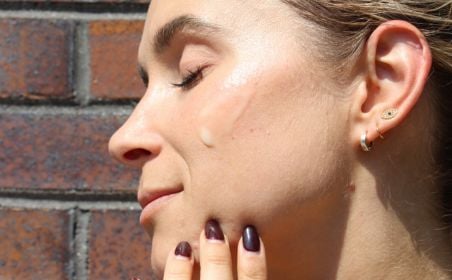
Fuzz hair electrolysis permanent removal
When that fuzz is messing with your makeup, photos and skin texture and it’s time for a permanent solution.
Learn More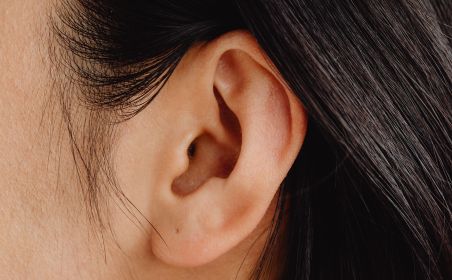
Ear hair removal
If you’re trimming, plucking, or playing “did I miss one” every week—electrolysis is the clean exit.
Learn MorePRICING
Electrolysis
Pricing goes by time
Junior Technician
$0
Senior Technician
$0
All Nios electrologists receive the same rigorous training. Senior electrologists offer more years of hands-on experience.
How Much Time Do I Need?
Electrolysis is billed by time, not body part, since every client’s hair density and treatment area are different.
-
Small areas
Lip, chin, eyebrows, fingers: ~5–30 minutes
-
Medium areas
Underarms, bikini: ~30–60 minutes
-
Large areas
Legs, chest, back, etc.: 60 to 120+ minutes
The exact timing varies from person to person — for example, underarms may take 30 minutes for one client and a full hour or more for another.
The best way to know what your treatment plan will look like is to book a free consultation, where we can assess your hair in person and give you a personalized estimate.
How many sessions do I need?
Hair grows in cycles—only active follicles can be treated, so multiple sessions are required. Most clients achieve permanent results within 12–18 months: twice a month at first, then monthly as hair thins.
Book a free consultation for a personalized estimate.
Client Testimonials
“a standard for every
hair removal provider”


